

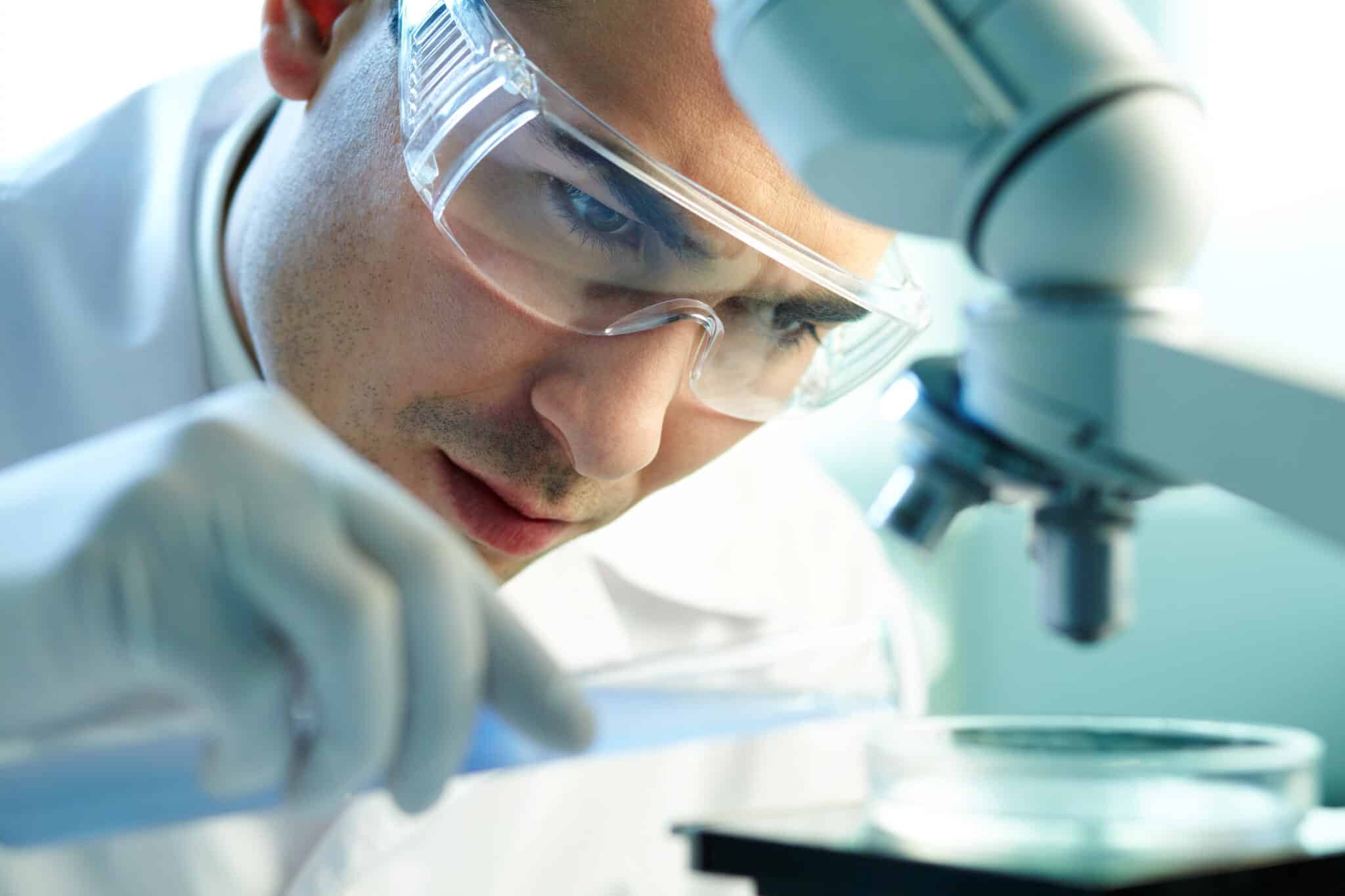

Salmonella is one of the most persistent and challenging foodborne pathogens in the world. Each year in the United States alone, it causes over 1.35 million infections, leading to more than 26,500 hospitalizations and 420 deaths, according to the CDC. Despite decades of research and public health initiatives, Salmonella remains a formidable adversary due to its adaptability, diversity, and ability to survive in hostile environments.
Recent advances in genomics, microbiology, and public health policy are reshaping how scientists detect, understand, and fight this dangerous bacterium. This article explores the cutting-edge trends in Salmonella research as of 2025—ranging from vaccine development to molecular tracing tools, antimicrobial resistance monitoring, and regulatory changes aimed at tackling the pathogen at its sources.
1. Whole Genome Sequencing (WGS) Revolution
One of the most transformative tools in modern epidemiology, Whole Genome Sequencing (WGS) allows scientists to examine the genetic code of Salmonella isolates in unprecedented detail. Unlike older typing methods, WGS can:
- Identify outbreak sources with greater precision.
- Track the spread of specific strains across food supply chains.
- Detect mutations associated with antibiotic resistance or enhanced virulence.
The CDC’s PulseNet network, which began incorporating WGS just over a decade ago, is now fully transitioned to genome-based surveillance. Some food safety experts have now noted a reduction in undetected multistate outbreaks due to more effective genomic matching of clinical and foodborne strains – though the empirical evidence supporting such a trend is still devleoping post-COVID.
WGS is also helping identify emerging serotypes of concern—such as Salmonella Infantis and Enteritidis variants—that exhibit unusual resistance or outbreak potential.
2. Antimicrobial Resistance (AMR) Monitoring
Antibiotic resistance is one of the most pressing issues in infectious disease control, and Salmonella is no exception. Overuse of antibiotics in both human medicine and animal agriculture has contributed to the rise of drug-resistant strains.
According to the National Antimicrobial Resistance Monitoring System (NARMS) :
- Many strains of Salmonella isolates show resistance to at least one first-line antibiotic.
- Multidrug-resistant Salmonella was especially prevalent in poultry-derived isolates.
- Resistance to ciprofloxacin—an important treatment option— has increased significantly.
Current research is focusing on:
- Gene tracking: Identifying resistance genes like blaTEM, qnr, and aac(6′)-Ib.
- Plasmid studies: Understanding how resistance spreads between bacteria.
- Policy changes: Encouraging reduced antibiotic use in livestock.
3. Salmonella Vaccines for Humans and Animals
While there is cutting edge research on vaccines for typhoidal Salmonella (e.g., S. Typhi), most U.S. infections are caused by non-typhoidal Salmonella (NTS) such as S. Enteritidis, S. Typhimurium, and S. Infantis—for which no human vaccine currently exists.
a. Animal Vaccine Development
Veterinary researchers are advancing vaccines for poultry, swine, and cattle to reduce intestinal colonization and shedding of Salmonella. In 2024, a study published in Veterinary Immunology and Immunopathology noted “progress in the application of Salmonella vaccines in poultry, including adaptive immune responses induced by Salmonella and vaccines targeting the predominant circulating serotypes in poultry.”
b. Human Vaccine Research
Efforts to develop a human NTS vaccine (including a salmonella vaccine) include:
- Glycoconjugate vaccines targeting outer membrane proteins.
- Live-attenuated strains designed to stimulate robust gut immunity.
- mRNA platforms, borrowing from COVID-19 vaccine technology, being tested for adaptability against Salmonella antigens.
Though no human vaccine is commercially available yet, clinical trials for broad-spectrum candidates are underway.
4. Environmental and Food Surface Monitoring
Traditionally, Salmonella monitoring focused on animal feces and raw meat samples. Today, researchers are turning their attention to:
- Food-contact surfaces
- Packaging environments
- Biofilms in processing equipment
The USDA’s Agricultural Research Service (ARS) has pioneered surface swab WGS to detect contamination in food factories before the bacteria enter the product pipeline.
A 2023 ARS study revealed that Salmonella could persist in floor drains, on conveyor belts, and even in industrial bristles for weeks under low-nutrient conditions. Understanding these “silent reservoirs” is key to new sanitation protocols.
5. Predictive Microbiology and AI
A rapidly emerging field, predictive microbiology uses mathematical modeling and artificial intelligence to anticipate how Salmonella will behave under various conditions (e.g., temperature, humidity, acidity).
Applications include:
- Forecasting growth under refrigeration or partial cooking.
- Predicting outbreak potential based on mutation profiles.
- Identifying vulnerable points in food production lines.
In 2024, the University of Georgia launched an AI-based tool that uses real-time factory data to predict contamination risk and flag batches for additional testing. These proactive strategies could revolutionize food safety by preventing contamination before it occurs.
6. New Understanding of Salmonella Survival Mechanisms
Recent research has shed light on the astonishing survival strategies employed by Salmonella in challenging environments—including refrigerators, acidic foods, and even dry surfaces like flour or spices.
Key findings:
- Certain strains express stress-response genes that allow them to endure cold shock or low pH.
- Salmonella can enter a viable but nonculturable (VBNC) state—becoming undetectable by traditional methods but still capable of causing infection.
- Biofilm formation protects the bacteria from sanitizers and antibiotics.
These insights are prompting a reassessment of “safe” storage conditions and driving the development of more rigorous cleaning agents and detection protocols.
7. Regulatory Changes and Food Policy
In 2023-2024, the USDA-FSIS investigated declaring Salmonella a contaminant (adulteration) in raw chicken products – breaking from what was traditionally indicated as a non-adulteration contaminant. This marked a major regulatory shift, allowing recalls and enforcement similar to those for E. coli.
Recent additional policy changes include:
- Increased funding for outbreak investigation and surveillance.
- Updated performance standards for poultry and ground beef.
- Encouragement of industry self-regulation through Hazard Analysis and Critical Control Points (HACCP) enhancements.
- [Note: this may be changing given the current administration, but that has yet to be determined.]
As one leading expert in foodborne illness litigation notes:
“Salmonella cases have become more than just a health issue—they often reveal systemic negligence. Companies are now expected to anticipate contamination risks and implement controls before harm occurs. The law is catching up with the science.”
8. Public Education and Consumer Tools
Research isn’t just happening in the lab—it’s influencing how consumers interact with food. Modern outreach includes:
- Labeling reforms to indicate safe internal temperatures.
- Digital apps that provide real-time recall alerts.
- Smart packaging that changes color when spoilage is detected.
In schools, food safety education is being introduced alongside nutrition, aiming to reduce risky behaviors like cross-contamination and undercooking.
9. Global Collaboration and One Health Approach
Salmonella doesn’t respect borders. In 2025, international collaborations like PulseNet International and the WHO Global Foodborne Infections Network are crucial to tracking transnational outbreaks.
Research increasingly embraces a One Health model—connecting human health, animal health, and environmental sustainability. For instance:
- Wildlife surveillance for emerging Salmonella strains.
- Sustainable farming practices to reduce antibiotic use.
- Water quality monitoring to prevent produce contamination.
10. What’s Next in Salmonella Research?
Looking ahead, experts predict the next decade will focus on:
- Real-time WGS integration in grocery chains and slaughterhouses.
- Household testing kits using CRISPR or biosensor technologies.
- Probiotic interventions to displace Salmonella from the gut.
- Continued pursuit of a universal vaccine.
Already, researchers are experimenting with bacteriophage therapy—using viruses that infect only Salmonella to clear it from poultry and produce.
Salmonella Research Ongoing but Reaping Benefits
Salmonella may be centuries old, but our fight against it is increasingly high-tech, collaborative, and data-driven. Through genome sequencing, artificial intelligence, vaccine development, and policy reform, the landscape of Salmonella research is evolving rapidly.
Yet challenges remain—especially as the bacterium continues to adapt, resist, and surprise. Continued funding, transparency, and global cooperation will be key to keeping Salmonella in check.
For now, consumers can protect themselves by staying informed, practicing safe food handling, and paying attention to recalls and regulatory updates. And for researchers, the pursuit of understanding this tiny but mighty pathogen continues—with determination and hope.
