

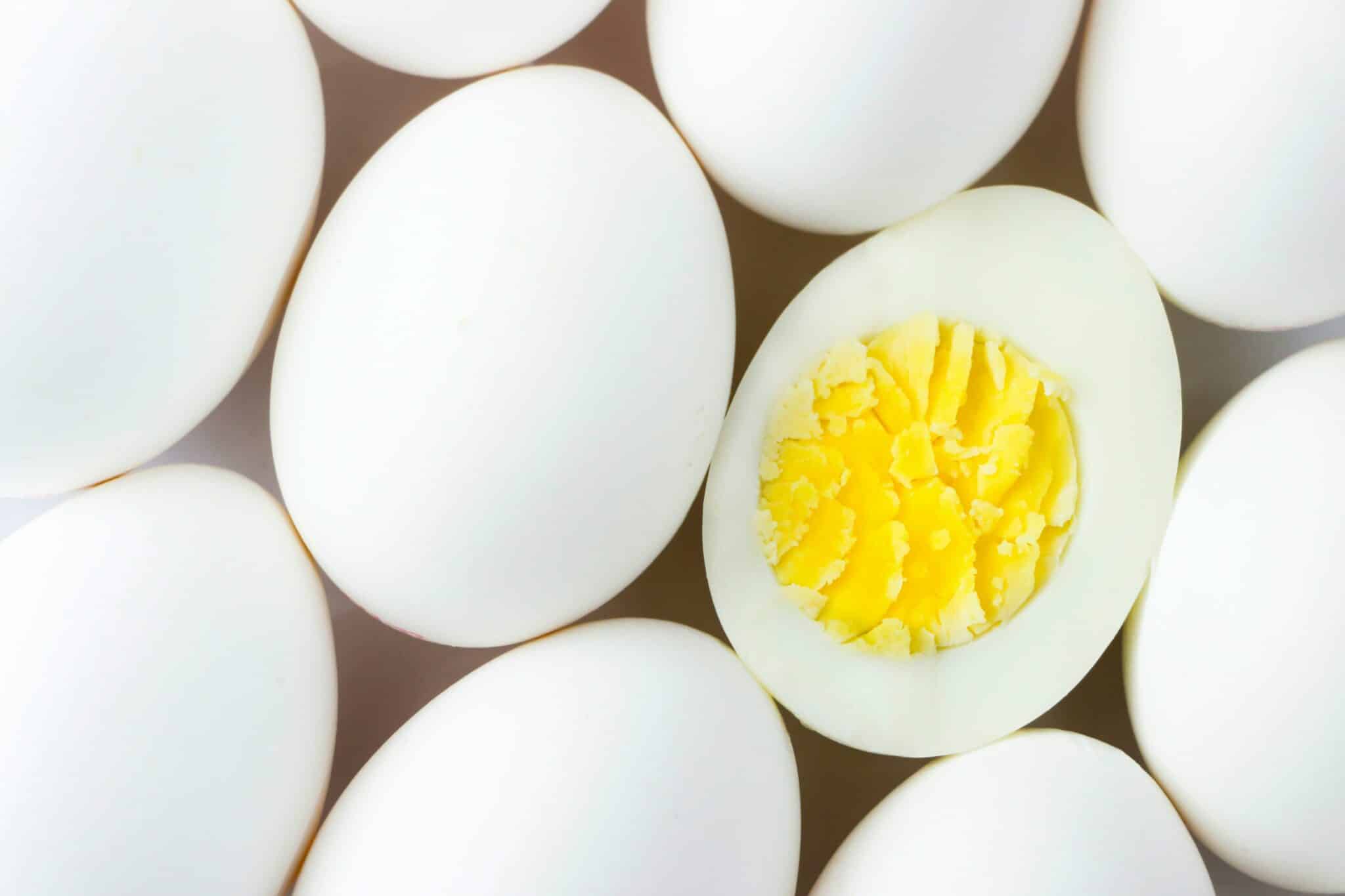

Cracked from the Start: How Eggs Become Contaminated with Salmonella
Eggs are a staple in many diets, praised for their protein, versatility, and affordability. However, they are also one of the most well-known carriers of Salmonella bacteria, a leading cause of foodborne illness globally. Each year, tens of thousands of cases of Salmonella infection are linked to eggs and egg-based products. Understanding how eggs become contaminated helps consumers take proactive steps to protect their health.
What is Salmonella?
Salmonella is a genus of bacteria with many strains, but Salmonella Enteritidis is the type most often associated with eggs. It causes salmonellosis, a foodborne illness marked by diarrhea, abdominal cramps, fever, and vomiting. In some cases, especially among children, the elderly, and immunocompromised individuals, it can lead to hospitalization or even death.
Routes of Contamination: Inside the Hen
Contamination can occur internally, before the eggshell is even formed. This happens when a hen infected with Salmonella Enteritidis lays an egg. The bacteria can invade the ovaries or oviducts of the hen, contaminating the yolk or egg white during the egg’s formation. This internal contamination is particularly concerning because it can occur even if the eggshell remains intact and uncracked.
Infected hens often show no signs of illness, making it difficult for poultry farmers to identify carriers. If hens are not tested or monitored under strict biosecurity protocols, an entire flock may silently harbor and spread Salmonella.
External Contamination: On the Shell
Contamination can also occur externally. Once an egg is laid, it may come into contact with feces, bedding material, or dust that contains Salmonella. Even though eggs have a natural protective coating called the “bloom” or cuticle, this layer can be disrupted or insufficient to block bacterial penetration. In commercial settings, eggs are washed and sanitized to remove debris, but improper washing techniques can actually encourage bacteria to be drawn into the shell through pores if done incorrectly.
Cross-Contamination During Processing
Once eggs are collected from the farm, they are typically graded, packed, and transported to retail stores. During this process, cross-contamination can occur if equipment and surfaces are not thoroughly cleaned and disinfected. For example, if contaminated eggs are processed on the same conveyor belt as uncontaminated ones, bacteria can spread quickly.
In some facilities, improper refrigeration or delays in cooling the eggs can exacerbate the problem. Salmonella grows quickly between 40°F and 140°F—known as the “danger zone.” The FDA’s Egg Safety Rule requires eggs to be refrigerated at or below 45°F during storage and transportation to minimize bacterial growth.
At-Home Contamination
Even eggs that were initially safe can become contaminated due to improper handling in the kitchen. Common mistakes include:
- Storing eggs at room temperature for extended periods.
- Cracking eggs on dirty surfaces.
- Using the same utensils for raw and cooked egg dishes.
- Consuming raw or undercooked eggs in dishes like Caesar salad, homemade mayonnaise, or cookie dough.
Cross-contamination is also a risk. For example, if raw egg drips onto produce or cooked food, the Salmonella bacteria can transfer and cause illness even if the eggs themselves were fully cooked later.
Prevention and Safety Measures
While egg contamination is a serious risk, several strategies can significantly reduce the likelihood of illness:
- Purchase pasteurized eggs if using them in raw or lightly cooked recipes.
- Refrigerate eggs promptly and keep them at or below 40°F.
- Cook eggs thoroughly until the yolk and whites are firm. For casseroles and baked dishes containing eggs, ensure the internal temperature reaches at least 160°F.
- Practice good hygiene by washing hands, utensils, and surfaces that come into contact with raw eggs.
- Check expiration dates and discard any eggs that are past their prime or have visible cracks.
Regulatory Oversight
The FDA and U.S. Department of Agriculture (USDA) play crucial roles in regulating egg safety. The FDA’s Egg Safety Rule, implemented in 2010, requires large-scale egg producers to test their flocks for Salmonella, implement biosecurity measures, and refrigerate eggs during transport and storage. Despite these safeguards, outbreaks still occur, which underscores the importance of vigilance at every step, from farm to fork.
Final Note
Eggs are a nutritious and economical food, but they carry inherent risks when it comes to Salmonella contamination. Whether contamination occurs inside the hen, on the eggshell, or during processing and handling, understanding the risk pathways empowers consumers and food handlers to make safer choices. By following proper food safety practices and staying informed about recalls and outbreaks, individuals can continue to enjoy eggs without compromising their health.
