

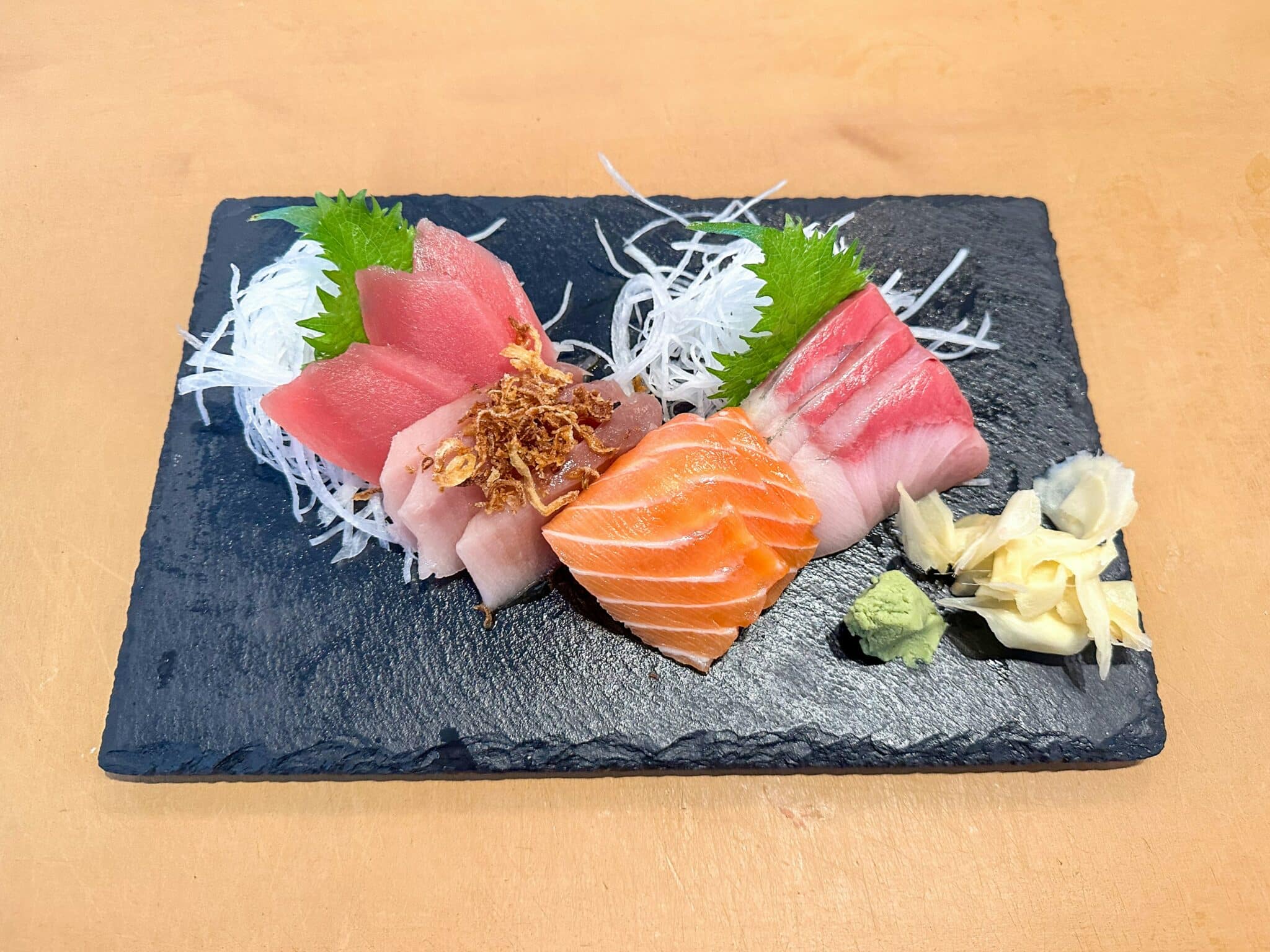

For fans of Japanese cuisine, sushi and sashimi are two iconic dishes that have become staples in restaurants around the world. Both showcase raw fish, are beautifully presented, and offer a taste of tradition and elegance. But while they might seem similar, sushi and sashimi are distinctly different, and so are the risks associated with eating them. If you’re a seafood lover, it’s worth understanding not just what sets these dishes apart, but what potential food safety dangers they carry.
What Is Sushi?
Sushi is a dish made with vinegared rice (called shari or sumeshi) combined with a variety of ingredients, including raw or cooked fish, vegetables, and occasionally egg. Sushi may be rolled in seaweed (nori), shaped by hand (nigiri), or served in a bowl (chirashi). Common types include:
- Nigiri: hand-pressed rice topped with fish
- Maki: rolled sushi with rice and fillings wrapped in seaweed
- Temaki: hand-rolled cone-shaped seaweed filled with rice and fish
- Uramaki: inside-out rolls with rice on the outside
The key element of sushi is the seasoned rice, not raw fish, which is why vegetarian or cooked options also qualify as sushi.
What Is Sashimi?
Sashimi, by contrast, refers solely to thin slices of raw fish or meat served without rice. The focus is on the freshness, texture, and flavor of the protein. Typical sashimi options include:
- Tuna (maguro)
- Salmon (sake)
- Yellowtail (hamachi)
- Octopus (tako)
- Scallop (hotate)
Served with garnishes like shredded daikon, wasabi, and soy sauce, sashimi is more minimalist and potentially more risky.
Comparing Food Safety Risks: Sushi vs. Sashimi
Both sushi and sashimi can pose foodborne illness risks, but sashimi generally carries a higher risk. Here’s why:
1. Raw Fish Dangers
The primary concern for both dishes is the consumption of raw or undercooked seafood, which can harbor:
- Parasites (e.g., Anisakis simplex, a roundworm found in raw fish)
- Bacteria (e.g., Salmonella, Vibrio vulnificus, Listeria)
- Viruses (e.g., norovirus, hepatitis A)
Sashimi, being entirely raw and unaccompanied by rice or other components, delivers higher quantities of raw fish per serving, therefore increasing exposure to these hazards.
2. Sushi’s Added Layers of Risk
While sashimi is mostly raw protein, sushi introduces:
- Rice: which, if held at unsafe temperatures, can harbor Bacillus cereus, a spore-forming bacterium that causes food poisoning
- Multiple ingredients: such as mayonnaise, cream cheese, or cooked eggs—all of which may spoil or become contaminated if mishandled
- Cross-contamination risk from complex preparation methods
Still, the rice in sushi is seasoned with vinegar, which provides a mild antimicrobial effect. This gives sushi a slightly lower microbial risk in some cases, especially when cooked ingredients are used.
Who Is Most at Risk?
Certain groups are more vulnerable to foodborne illnesses from raw seafood:
- Pregnant women
- Young children
- Older adults
- Immunocompromised individuals
The CDC and FDA recommend that these individuals avoid raw fish entirely, including both sushi and sashimi. Cooked sushi (e.g., shrimp tempura rolls) is a safer alternative.
How to Enjoy Sushi and Sashimi Safely
If you’re healthy and adventurous, you can still enjoy these delicacies, with caution. Here’s how to minimize risks:
- Choose Reputable Restaurants: Pick establishments known for cleanliness and high standards in fish handling.
- Look for “Sushi-Grade” or “Sashimi-Grade”: These terms imply the fish has been frozen to specific temperatures to kill parasites.
- Ask Questions: Don’t hesitate to ask how the fish is sourced, stored, and prepared.
- Avoid Buffets: Raw fish sitting out for hours is a recipe for illness.
- Consume Quickly: Don’t let takeout sushi sit in your car or on your counter. Refrigerate immediately if not eaten right away.
- Check Appearance and Smell: Fresh fish should smell like the ocean, not fishy or sour.
Final Note
While sushi and sashimi are both delicious, elegant, and deeply rooted in Japanese tradition, they come with distinct safety concerns. Sashimi involves more raw fish and therefore carries a higher inherent risk for foodborne illness. Sushi has its own risks, especially from improperly handled rice or complex ingredients, but it often includes cooked or acidified components that can offer a bit more protection.
The key to safe enjoyment lies in where you eat, how it’s prepared, and your personal health status. For many people, the occasional sushi dinner is low-risk and entirely worthwhile. But for those with compromised immunity or underlying health concerns, sticking to cooked options is the smarter, and safer, choice.
