

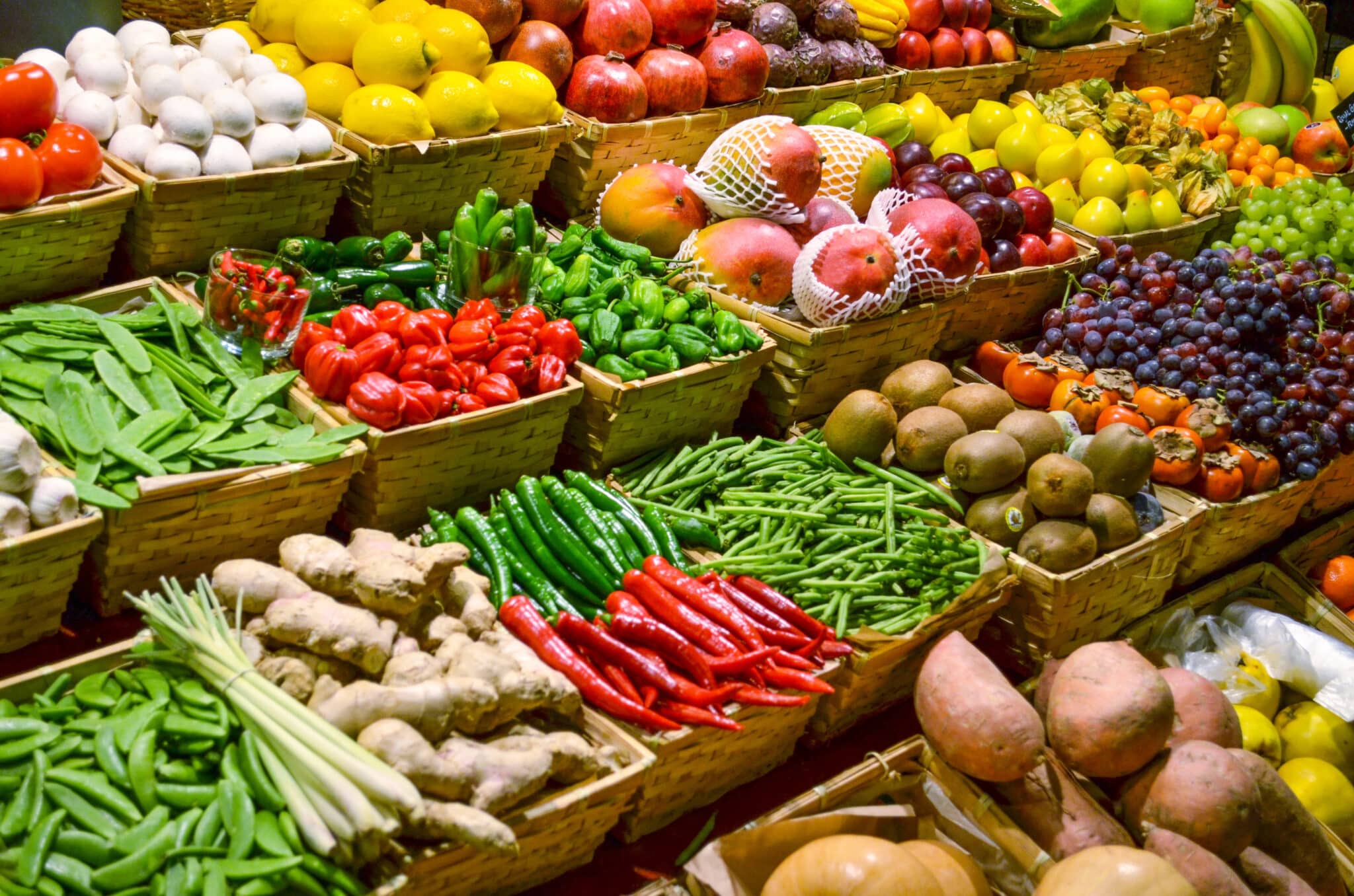

Stay Refreshed: Fruits and Vegetables That Keep You Hydrated
When temperatures rise or daily routines get hectic, hydration becomes essential for health and wellbeing. While water is the most obvious source, many people don’t realize that fruits and vegetables contribute significantly to fluid intake. Choosing produce with high water content not only helps hydration but also delivers vitamins, minerals, fiber, and antioxidants.
Here’s a closer look at the fruits and vegetables that double as hydration heroes.
Why Hydrating Foods Matter
Dehydration can sneak up in subtle ways, fatigue, headaches, dry skin, and difficulty concentrating are all signs the body needs more fluids. For children, older adults, and athletes, staying hydrated is especially critical. Eating foods rich in water offers an easy way to support fluid balance without relying solely on beverages. They also provide electrolytes such as potassium and magnesium, which help regulate hydration on a cellular level.
Top Hydrating Fruits
1. Watermelon (92% water)
Watermelon earns its name honestly. Not only is it juicy and refreshing, but it’s also packed with vitamins A and C, as well as lycopene, an antioxidant linked to heart health. A chilled watermelon slice on a hot day is both a treat and a hydration boost.
2. Strawberries (91% water)
Strawberries are naturally sweet and hydrating, making them perfect for snacking or blending into smoothies. They’re rich in vitamin C and folate, while also supporting hydration and skin health.
3. Cantaloupe (90% water)
This orange-fleshed melon is another hydration powerhouse. In addition to its water content, cantaloupe delivers beta-carotene (a vitamin A precursor) and potassium, both of which help the body maintain fluid balance.
4. Pineapple (86% water)
Tropical, tangy, and hydrating, pineapple also contains bromelain, an enzyme with anti-inflammatory properties. It’s great in fruit salads or frozen as ice-cold pineapple popsicles.
5. Oranges (87% water)
Citrus fruits like oranges keep you refreshed while replenishing vitamin C and potassium, key for both hydration and immune support. They’re a convenient on-the-go snack that hydrates naturally.
6. Peaches (89% water)
Juicy peaches not only hydrate but also deliver fiber, vitamin C, and antioxidants. Their natural sweetness makes them versatile in salads, smoothies, or eaten straight from the fruit bowl.
Top Hydrating Vegetables
1. Cucumbers (96% water)
Cucumbers are among the most water-dense foods available. Their mild flavor makes them an easy addition to salads, infused water, or as a crunchy snack with hummus.
2. Lettuce (95% water)
Iceberg and romaine lettuce are mostly water, which is why they add volume and freshness to meals without many calories. A leafy salad can provide a surprising hydration boost.
3. Celery (95% water)
Celery is crunchy, refreshing, and loaded with water and electrolytes like potassium and sodium. It’s a classic snack with peanut butter but also works well in juices and soups.
4. Zucchini (94% water)
Zucchini is versatile, spiralized into noodles, grilled, or baked into casseroles. With its high water content, it supports hydration while adding bulk to meals.
5. Tomatoes (94% water)
Juicy tomatoes bring both hydration and nutrients like lycopene, potassium, and vitamin C. They’re perfect in salads, sauces, or simply sliced with a drizzle of olive oil.
6. Bell Peppers (92% water)
Crisp and sweet, bell peppers, especially red ones, are high in water and vitamin C. They also add color and crunch to salads, wraps, and veggie trays.
Creative Ways to Add Hydrating Produce
Incorporating these foods doesn’t mean limiting yourself to plain slices. Here are some ideas to make hydration fun and flavorful:
- Smoothies: Blend strawberries, pineapple, and cucumber for a refreshing drink.
- Infused water: Add slices of orange, cucumber, or watermelon to a pitcher of water.
- Salads: Mix high-water veggies like lettuce, tomato, and bell pepper with melon or orange segments.
- Frozen treats: Puree fruits like strawberries or peaches and freeze them into ice pops.
- Snacks: Keep cut cucumbers, celery sticks, or watermelon cubes ready in the fridge for quick grabs.
Final Note
Hydration doesn’t come only from glasses of water. Nature provides a wide array of fruits and vegetables that deliver fluids along with essential nutrients. By filling your plate with hydrating produce such as cucumbers, watermelon, strawberries, and oranges, you can support your body’s fluid needs in a refreshing and nutritious way.
Especially during the summer or after physical activity, choosing these foods can help prevent dehydration while nourishing the body. The next time you reach for a drink, consider pairing it with a juicy peach, crisp cucumber slices, or a bowl of melon, your body will thank you.
