

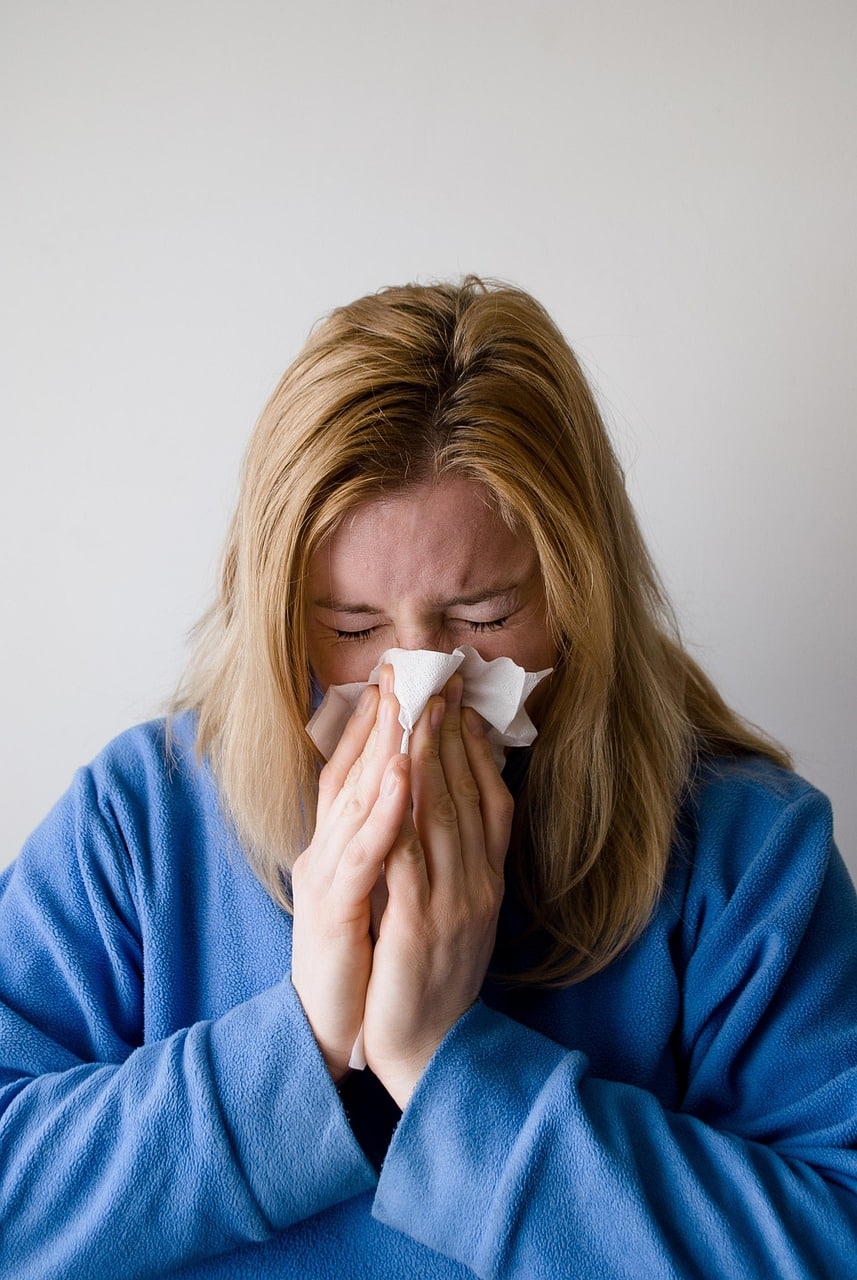

Most people picture food poisoning as a predictable cycle: eat bad food, feel nauseous, vomit, suffer diarrhea, recover in a day or two. But in reality, foodborne illnesses often mimic other conditions, leading to misdiagnosis, delayed treatment, and sometimes life-threatening complications.
Listeria monocytogenes, for example, is notorious for presenting like the flu. In pregnant women, symptoms may be as mild as body aches or fatigue—easy to dismiss until the infection spreads to the fetus, sometimes causing miscarriage or stillbirth. Campylobacter infections, one of the leading bacterial causes of foodborne illness, can trigger Guillain-Barré syndrome, a rare neurological disorder that causes muscle weakness and paralysis. Patients may appear to have a sudden nerve condition rather than food poisoning.
E. coli O157:H7, the strain behind many leafy greens and beef recalls, often starts with abdominal cramps and bloody diarrhea. In some patients, particularly children, it progresses to hemolytic uremic syndrome (HUS), which looks like kidney failure. Without identifying E. coli as the source, treatment can be misguided or dangerously delayed.
Even less severe pathogens are often mistaken for something else. Norovirus outbreaks are frequently chalked up to “stomach flu,” and mild Salmonella infections resemble viral gastroenteritis. Unless multiple people present with similar symptoms after eating the same food, doctors may not test for bacterial or viral causes at all.
This confusion matters because treatment differs. Some infections require specific antibiotics, while others (like E. coli O157:H7) should not be treated with antibiotics, as they can worsen outcomes. Misdiagnosis may also hinder outbreak investigations, delaying recalls and allowing more people to get sick.
For patients, the takeaway is to pay attention to timing. If severe symptoms—bloody diarrhea, high fever, neurological changes—develop after eating risky foods like raw sprouts, deli meats, or undercooked beef, it’s worth telling a doctor about possible food poisoning. Providing a food history can be the clue that shifts a diagnosis from “random flu” to “dangerous outbreak.”
Food poisoning isn’t always straightforward. Sometimes it hides in plain sight, wearing the mask of another illness. Recognizing that possibility can be the difference between recovery and catastrophe.
