

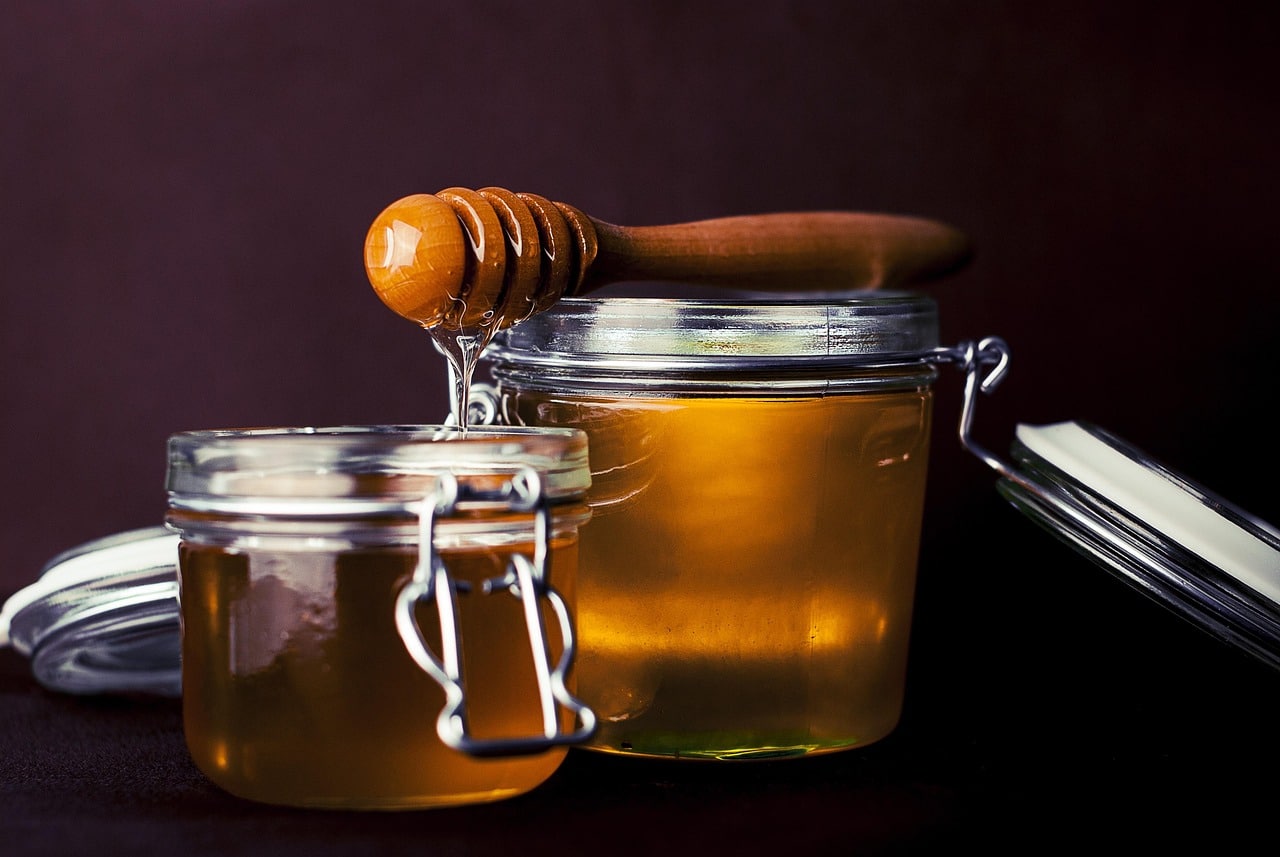

Honey is often praised as a natural sweetener with antibacterial properties, but not all honey is created equal. Unpasteurized or “raw” honey — increasingly popular among health-conscious consumers — can harbor harmful pathogens that pose serious risks, especially to young children.
The most well-known concern is infant botulism. Raw honey can contain spores of Clostridium botulinum, which can grow in an infant’s undeveloped digestive system and produce life-threatening toxins. Pediatricians universally advise against giving honey to children under one year old, but risks don’t stop there.
Adults and older children can also experience foodborne illness from contaminated honey. Spores and bacteria may survive the raw processing, and improper storage conditions can encourage microbial growth. In rare cases, honey has been linked to outbreaks of food poisoning involving organisms like Clostridium perfringens.
Beyond microbial risks, adulteration is another issue. Unscrupulous producers may dilute honey with syrups or mislabel its source, sometimes exposing consumers to unsafe additives or allergens. Imported honey is especially problematic, as it may bypass stringent U.S. safety regulations.
For those who fall ill, symptoms can range from gastrointestinal upset to severe neurological complications in the case of botulism. Victims may require intensive care and long-term treatment. In these circumstances, many turn to food poisoning attorneys who specialize in holding negligent producers accountable. Legal expertise is often essential when tracing responsibility back through complex supply chains.
Consumers who prefer raw honey for its flavor or supposed health benefits should take precautions. Always purchase from trusted sources, avoid giving honey to infants, and store it properly in a cool, dry environment.
For the latest news on contaminated honey recalls and food safety alerts, trusted resources like the Centers for Disease Control and Prevention (CDC) are invaluable.
Honey may be nature’s sweet gift, but when safety is overlooked, it can quickly turn from a treat to a threat.
