

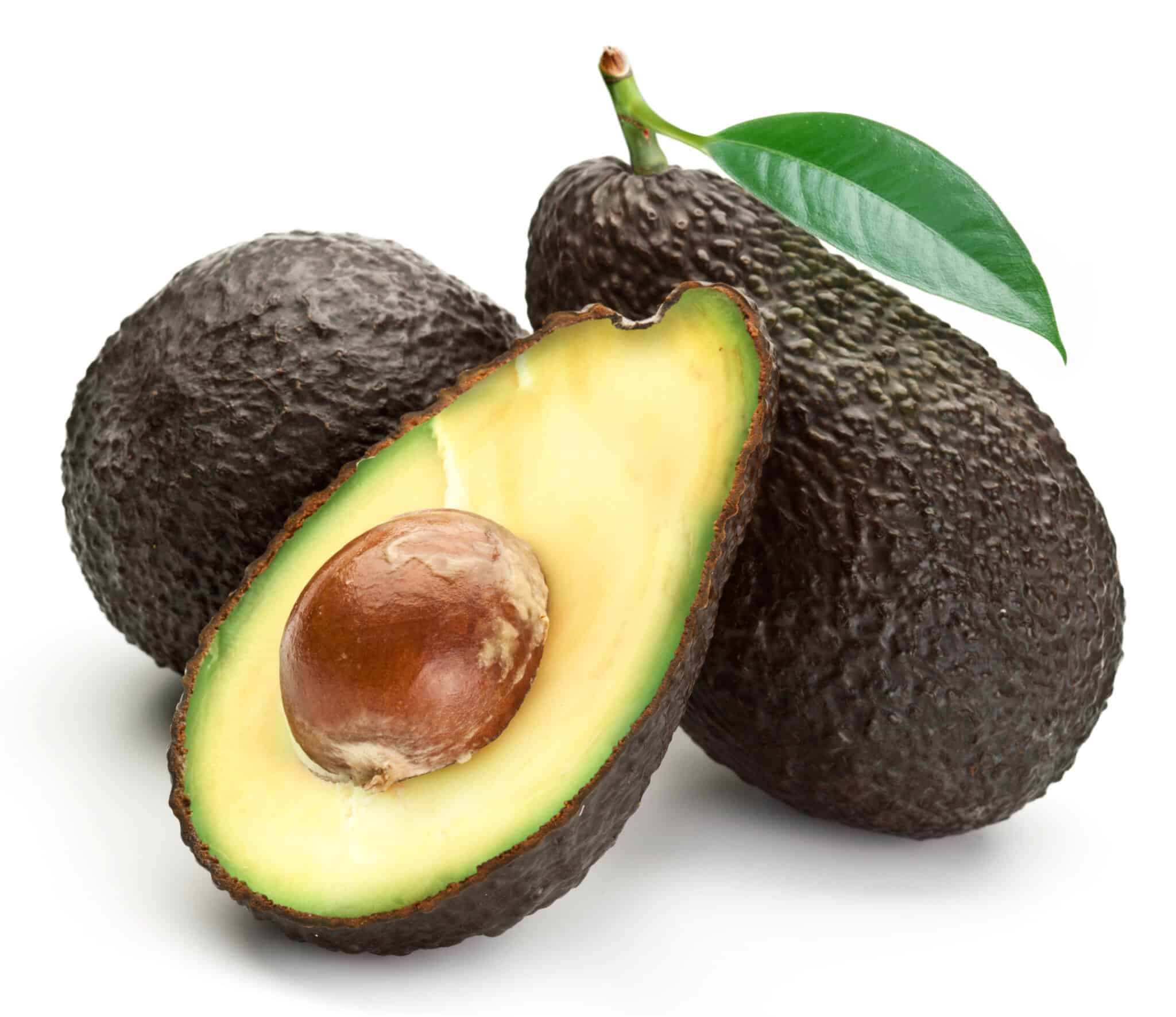

The Hass avocado has become a staple of the American diet, consumed in growing quantities year-round as guacamole, sliced on toast, or incorporated into countless recipes. What many consumers do not consider is the complex journey this fruit undertakes before reaching their kitchens. Approximately 90 percent of Hass avocados consumed in the United States are grown and packed in Mexico, primarily in the state of Michoacán, the only region in the world with year-round avocado production. This reliance on a single foreign source for a perishable commodity creates a supply chain of extraordinary complexity, one that must function seamlessly to deliver fresh fruit while managing the inherent risks of microbial contamination. The journey from Mexican orchards to American tables involves harvesting, packing, transportation, import inspection, distribution, and retail display with each stage presenting opportunities for pathogens like Listeria monocytogenes to enter the food supply. Recent binational research employing whole genome sequencing has transformed understanding of how these pathogens establish themselves in packing facilities and how targeted interventions can interrupt transmission.
The Scale and Structure of the Avocado Supply Chain
Mexico’s dominance in avocado production is the result of climate, geography, and decades of agricultural development. The volcanic soils and high-altitude microclimates of Michoacán provide ideal growing conditions, while the absence of a killing frost enables continuous harvest throughout the year. This production capacity, combined with the elimination of trade barriers through the North American Free Trade Agreement and its successor the United States-Mexico-Canada Agreement, has created an integrated North American market for avocados.
The supply chain begins in orchards where fruit is hand-harvested by workers who clip avocados from trees, leaving a short stem attached to prevent moisture loss and microbial entry. Field workers place harvested fruit into field bins or baskets for transport to packing facilities, which may be located near the orchards or at centralized locations. At the packing plant, avocados undergo a series of processes including dumping, washing, brushing, drying, sorting by size and quality, and finally packing into boxes for shipment. The specific configuration of equipment varies among facilities, but all share common features: conveyor belts, brushes, rollers, and sorting mechanisms that bring fruit into contact with multiple surfaces before packaging.
From packing facilities, boxes of avocados are loaded onto refrigerated trucks for transport to the United States border. The majority enter through Texas or California ports of entry, where they are subject to inspection by the Animal and Plant Health Inspection Service for quarantine pests and by the Food and Drug Administration (FDA) for food safety concerns. After clearance, the fruit moves to distribution centers and ultimately to retail stores, where consumers select individual avocados for purchase.
The timeline from harvest to retail can range from several days to two weeks, during which the fruit must be maintained at appropriate temperatures to slow ripening and inhibit microbial growth. Any breakdown in this cold chain can create conditions favorable for pathogen proliferation.
Contamination Pathways in Avocado Production
Avocados present unique food safety considerations compared to many other fresh produce items. The fruit possesses a thick, protective skin that serves as a natural barrier against microbial penetration. Intact skin substantially reduces the risk of internal contamination, and epidemiological data indicate that whole, unblemished avocados have not been associated with reported outbreaks of listeriosis in the United States. However, this protective barrier is not absolute, and contamination can occur through several mechanisms.
Research has demonstrated that Listeria monocytogenes can survive on avocado surfaces for extended periods. One study showed the pathogen persists for at least 14 days on avocado skin at both refrigeration temperature at 7 degrees Celsius and room temperature at 25 degrees Celsius (LWT, Dong et al, January 2023). This persistence means that fruit contaminated at any point in the supply chain may still harbor pathogens when it reaches consumers.
The stem scar represents a particular vulnerability. The attachment point where the fruit was connected to the tree lacks the thick skin covering found elsewhere, providing a potential entry route for bacteria. Studies have documented that Listeria monocytogenes can internalize into the mesocarp, the edible flesh, through contaminated stem scar areas (Journal of Food Production, Chen et al, August 2016). This internalization means that even thorough surface washing cannot eliminate pathogens that have penetrated into the fruit.
Another significant concern involves damaged lenticels. Lenticels are pores in the skin that allow gas exchange necessary for respiration. When avocados are handled roughly during harvest or processing, these lenticels can become damaged, creating microscopic wounds that compromise the skin barrier. Damaged lenticels not only increase water loss and susceptibility to chilling injury, but can also become sites of bacterial attachment and potential entry. Equipment that abrades or bruises fruit during processing may therefore inadvertently create conditions favorable for contamination.
Packing Plants as Reservoirs for Pathogen Persistence
The most significant revelation from recent research concerns the role of packing facilities as potential reservoirs for Listeria monocytogenes. Unlike field contamination, which tends to be transient and associated with specific environmental conditions, facility contamination can become persistent, with the same bacterial strain residing in a plant for months or years and serving as a continuous source of fruit contamination.
A master’s thesis research project at Texas A&M University employed whole genome sequencing to track Listeria species throughout avocado packing processes. The study collected samples from non-food contact surfaces in packing plants, enriched them for Listeria detection, and subjected positive samples to DNA extraction and sequencing. Results showed presence of Listeria species in 78% of samples tested (“Tracking Listeria spp. Throughout the Avocado Packing Process and Reduction of Listeria monocytogenes by Cleaning and Sanitizing Procedures,” Quintero and De Jesus, August, 2024). Whole genome sequencing of isolates identified genetically similar clusters at different areas within single plants, suggesting cross-contamination due to movement of individual bacterial strains throughout the facility.
This finding has profound implications for food safety management. It indicates that Listeria can establish residence in packing plants, traveling on equipment, workers’ hands, or fruit itself to spread contamination throughout the facility. The bacteria thrive in the cool, moist environments characteristic of produce packing operations, and once established, they can be extraordinarily difficult to eradicate.
Research has documented Listeria contamination on drains, floors, and other non-food contact surfaces that can serve as reservoirs for subsequent transfer to food contact surfaces and ultimately to avocados. A study evaluating cleaning and sanitizing procedures in an avocado packing plant found that Listeria species were detected on 14% of food contact surfaces before sanitation and 13% after sanitation (Journal of Food Protection, “Performance of Visual Inspection, ATP, and Microbial Analysis in Evaluating Cleaning and Sanitizing of Surfaces in an Avocado Packing Plant,” September 2025), indicating that routine cleaning procedures were not reliably eliminating the pathogen. Drains and other non-contact surfaces also remained contaminated, providing potential sources for recontamination of cleaned equipment.
Modeling Cross-Contamination Dynamics
Understanding how contamination spreads through packing facilities has led researchers to develop sophisticated simulation tools. A 2025 study published in the Journal of Food Process Engineering introduced a novel Food Safety Agent-Based Simulation that integrates predictive microbiology with discrete event simulation to track and predict Listeria monocytogenes behavior along avocado dry processing lines.
This hybrid approach treats individual avocados as agents moving through a grid-based representation of the packing facility. Each agent carries attributes including contamination levels and transfer probabilities. The model accounts for interactions between avocados and equipment surfaces, between avocados and other avocados, and between avocados and workers. By incorporating real-world data on bacterial transfer rates, the simulation can predict how contamination spreads under different conditions.
The validation results revealed critical insights: cross-contamination remained limited at low initial pathogen loads, specifically between 0.1 and 1.5 log colony-forming units. However, contamination increased sharply beyond a threshold of 3.0 log colony-forming units, indicating a tipping point where control measures become ineffective (Journal of Food Protection, “Examining Patterns of Persistent Listeria Contamination in Packinghouses Using Agent-Based Models,” December 2022). This finding suggests that preventing the establishment of high-level contamination in facilities is essential, because once pathogen levels cross this threshold, spread becomes difficult to contain.
Scenario testing with the model demonstrated that increasing sampling frequency and sample size improves contamination detection and reduces variability in outcomes. The simulation emphasized the importance of early intervention, frequent sanitation, and strategic sampling in mitigating contamination risks.
Detection and Verification Challenges
One of the persistent challenges in managing Listeria contamination is the limitations of detection methods. The 2025 study published in Journal of Food Protection compared three verification tools for evaluating cleaning and sanitizing procedures in avocado packing plants: visual inspection, ATP bioluminescence measuring organic residue, and traditional microbial analysis.
The results revealed troubling inconsistencies. On some surfaces, visual inspection and microbial indicators suggested effective cleaning and sanitizing, while ATP readings showed no significant change. On others, only visual improvements were detected, with no corroborating reduction in ATP or microbial levels. These discrepancies underscore the limitations of relying on any single method and highlight the importance of using complementary tools in a sequential verification approach.
Surface temperatures in the packing plant ranged from 17 to 30.9 degrees Celsius, and relative humidity from 54.3 to 97.0 percent, conditions well within the range supporting Listeria survival and growth. Brushes and receiving crates showed the highest visual soil scores after cleaning and sanitizing, with receiving crates exhibiting minimal improvement compared to pre-cleaning levels. ATP levels ranged from 2.6 to 3.8 log relative light units per 100 square centimeters, with no significant reductions observed after sanitation. Microbial counts showed inconsistent decreases, and no surface achieved the expected 3-log reduction that would indicate effective sanitation.
These findings indicate that current industry practices may not reliably eliminate Listeria contamination from packing equipment, and that verification methods may provide false reassurance when used in isolation.
Genomic Insights into Listeria Strains
Advanced genomic analysis has provided deeper understanding of the specific Listeria strains contaminating avocados. A 2023 study published in the International Journal of Molecular Sciences investigated the diversity of virulence factors in Listeria monocytogenes isolates from Hass avocados. The analysis identified lineages I and II among the isolates, both of which are associated with human illness. The strains carried Listeria pathogenicity islands 1 and 2, which contain genes essential for virulence. Some isolates also carried pathogenicity island 3 and Listeria genomic island 2, which may enhance pathogenic potential.
Importantly, the study detected stress survival island 1 in both lineages. This genomic element enhances the bacterium’s ability to withstand environmental stresses, including those encountered in food processing environments (International Journal of Molecular Sciences, “Genomic Insights into LIsteria monocytogenes: Organic Acid Interventions for Biofilm Prevention and Control,” August 2023). Its presence helps explain why Listeria can persist in packing facilities despite cleaning efforts.
The analysis also examined resistance genes. Notably, the bcrABC cassette and transposon Tn6188, both associated with resistance to quaternary ammonium compounds commonly used as sanitizers, were not detected in the Listeria isolates. This finding suggests that currently used sanitizers should remain effective against these strains, provided they are applied correctly and reach target surfaces.
The study evaluated organic acids as interventions. Lactic acid, citric acid, and gallic acid all demonstrated antimicrobial activity, with minimum bactericidal concentrations ranging from 0.5 to 2 milligrams per milliliter. Biofilm prevention and control experiments showed that organic acid treatment at 22 degrees Celsius caused a 4 to 5 log reduction of Listeria on polypropylene surfaces compared to stainless steel. This research provides evidence that organic acid sanitizers may offer effective tools for controlling Listeria in packing environments.
Regulatory Framework and Import Controls
The United States government maintains regulatory oversight of imported avocados through multiple agencies. The FDA has authority over food safety, while the Animal and Plant Health Inspection Service (APHIS) addresses quarantine pest risks. The FDA’s Import Alert 21-12, most recently updated in March 2026, authorizes detention without physical examination of frozen and refrigerated guacamole and processed avocado products from specific Mexican firms with a history of Listeria monocytogenes contamination.
The Import Alert documents a history of Listeria detections dating back to 1993, when FDA sampling of frozen guacamole first identified the pathogen. Subsequent detections occurred in 1994, 1997, and 1998, leading to the establishment of the alert. The current red list includes numerous Mexican firms whose products are subject to automatic detention unless the importer can provide evidence, through laboratory analysis conducted by accredited facilities, that individual shipments are free of Listeria.
Effective December 2025, testing in support of admission for detained food must be conducted by laboratories accredited under the FDA’s Laboratory Accreditation for Analyses of Foods program. This requirement aims to ensure that private laboratory testing meets consistent quality standards.
Separately, APHIS has updated import requirements to address pest risks. In April 2025, the agency issued a Federal Order updating requirements for avocado imports from Guatemala to address the stem weevil Copturus aguacatae, requiring pest-free places of production and adherence to operational workplans. While pest concerns differ from microbial food safety, they illustrate the broader framework of phytosanitary controls applied to avocado imports.
Industry and Policy Responses
The avocado industry and regulatory authorities have responded to food safety concerns with multiple initiatives. In October 2025, the Mexican government published new regulations establishing requirements for sustainable avocado production and export. The measures, jointly issued by the Ministries of Agriculture, Environment, Labor, and Social Security, require that export avocados come from land certified as deforestation-free since 2019, meet national and international phytosanitary standards, and ensure fair and safe labor conditions with an explicit ban on child labor.
The regulations create an Interinstitutional Technical Commission led by the Ministry of Agriculture to coordinate implementation, monitoring, and verification. Administrative provisions implementing the framework will take effect April 1, 2026. While these regulations focus primarily on environmental and labor standards, they establish infrastructure for oversight that could support food safety objectives.
However, challenges to the inspection framework have emerged. In 2024, the Biden administration halted an agreement allowing American inspectors to examine avocado products in Mexico, citing concerns about cartel threats. This decision disrupted the inspection process and increased concerns about pest infestations in imported avocados. Since October 2024, more than 150 instances of pest detections have been recorded, including the seed weevil, a destructive insect that poses significant threat to avocado crops. The California Avocado Commission has advocated for restoration of inspection protocols to prevent contaminated fruit from entering U.S. markets.
Analysis and Next Steps
The body of research on Listeria in the avocado supply chain reveals several new understandings that reshape food safety strategy. What is new is the definitive demonstration, through whole genome sequencing, that contamination in packing facilities is not merely transient but can involve resident strains persisting in the environment and repeatedly contaminating fruit. The finding that 78 percent of facility samples harbored Listeria, and that identical strains appeared in multiple locations, establishes that cross-contamination within plants is a primary mechanism for pathogen spread. Also new is the development of sophisticated simulation models that can predict contamination dynamics and identify intervention points, showing that contamination crosses a threshold beyond which control becomes difficult. The genomic characterization of Listeria isolates from avocados, including identification of stress survival islands that enhance persistence, provides mechanistic understanding of why these bacteria thrive in packing environments.
This matters because the United States imports approximately 90 percent of its Hass avocados from Mexico, creating a situation where food safety depends on practices in foreign facilities that may not be subject to direct U.S. oversight. The documented history of Listeria detections in imported avocado products, maintained in FDA Import Alert 21-12, demonstrates that contamination is not merely theoretical but has been repeatedly identified. The population affected includes all American consumers of fresh avocados and avocado products, with particular risk for vulnerable groups including pregnant women, older adults, and immunocompromised individuals for whom listeriosis carries high hospitalization and mortality rates—estimated at 94 percent and 16 percent respectively.
The path forward requires integrated action across multiple domains. For the avocado industry, both in Mexico and the United States, the research provides clear guidance on facility design and sanitation. The finding that cleaning and sanitizing procedures often fail to achieve expected microbial reductions, and that verification methods produce inconsistent results, indicates that current practices require re-evaluation. Facilities should implement the sequential verification approach using multiple complementary tools rather than relying on any single method. They should prioritize interventions that prevent contamination from reaching the 3.0 log threshold identified in simulation studies, recognizing that low-level contamination may be containable but high-level contamination spreads uncontrollably.
For regulatory authorities, the research supports continued emphasis on facility-level controls rather than solely end-product testing. The FDA’s Import Alert system serves as an important backstop but detects contamination only after it has occurred. The new Mexican sustainability regulations, while not primarily food safety measures, establish infrastructure for oversight that could be leveraged to support food safety objectives. The challenge of ensuring inspector safety in Mexico, which led to suspension of in-country inspections, requires resolution through diplomatic and security channels.
For researchers, the path forward includes continued refinement of simulation models, validation of organic acid interventions for biofilm control, and expanded genomic surveillance to track strain movement across the supply chain. The finding that quaternary ammonium resistance genes were absent in tested isolates suggests current sanitizers remain effective, but ongoing monitoring is essential to detect emerging resistance.
For consumers, understanding that even thick-skinned produce like avocados can harbor pathogens supports continued adherence to basic food safety practices: washing avocados thoroughly under running water before cutting, regardless of whether the skin will be consumed, and refrigerating cut avocado promptly. These simple measures cannot eliminate pathogens that have internalized through stem scars, but they can reduce surface contamination that might transfer to flesh during cutting.
The avocado supply chain, stretching from Mexican orchards to American tables, represents both the achievements and challenges of modern globalized food systems. It delivers a nutritious, popular product year-round to millions of consumers. But it also creates pathways for pathogens to move across borders and into homes. The research conducted over the past several years provides the scientific foundation for building a safer system—one that understands contamination dynamics, targets interventions effectively, and protects public health while maintaining the benefits of international trade.
