

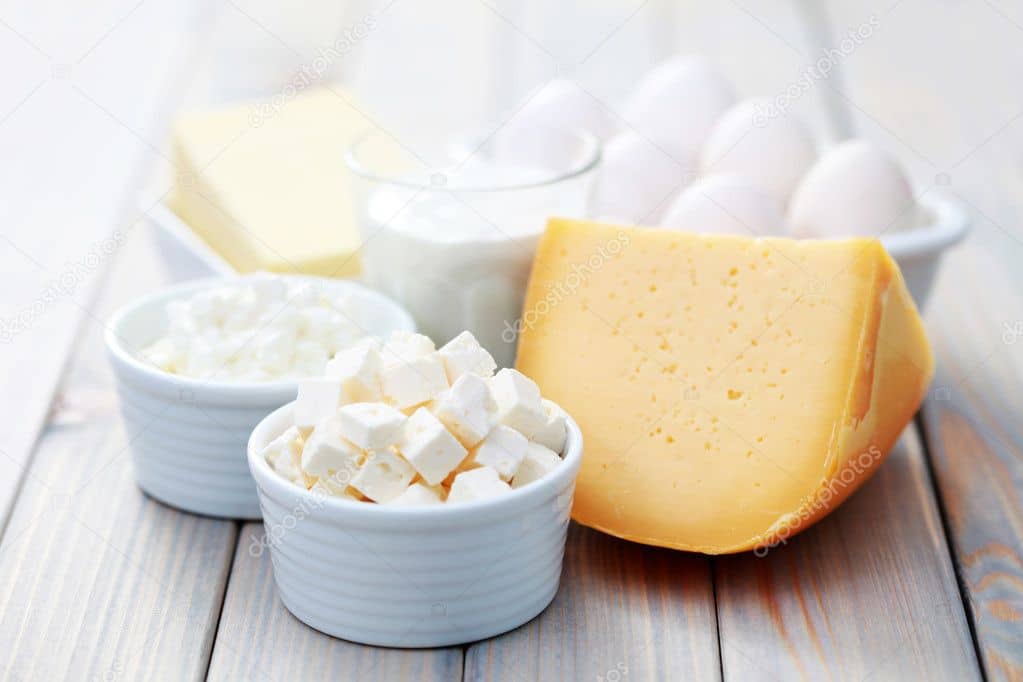

For over a century, pasteurization has stood as one of the most effective public health interventions in modern history. The process of heating milk to destroy pathogenic bacteria dramatically reduced the incidence of milk-borne diseases including typhoid fever, tuberculosis, and brucellosis, saving countless lives. Pasteurization has been recognized as one of the most effective public health interventions of the last century, dramatically reducing illnesses caused by contaminated milk (The Centers for Disease Control and Prevention, January 2025).
Yet despite this established track record, a persistent and passionate movement advocates for the consumption of raw, unpasteurized milk and its derivatives. These advocates argue that pasteurization destroys beneficial enzymes, alters nutritional quality, and that properly managed raw milk from healthy animals poses acceptable risks. The Farm-to-Consumer Legal Defense Fund has documented numerous cases of consumers seeking raw milk for perceived health benefits and as an expression of food freedom.
Public health authorities counter with decades of outbreak data documenting the dangers of pathogens including Salmonella, Escherichia coli, Campylobacter, and Listeria monocytogenes that can contaminate raw milk. A comprehensive review published in 2024 systematically examined and refuted common claims about raw milk’s health benefits (U.S. Food & Drug Administration, March 2024). The resulting debate represents a fundamental clash of values: tradition versus science, personal choice versus population health, and differing conceptions of what constitutes acceptable risk in the food supply.
The Cultural and Nutritional Arguments for Raw Milk
Raw milk advocates articulate their position through multiple overlapping frameworks that blend tradition, nutrition, and a particular philosophy of food. At its most fundamental level, the argument for raw milk rests on the assertion that pasteurization, while eliminating pathogens, also degrades milk’s inherent qualities. Advocates claim that the heat treatment destroys beneficial enzymes, reduces vitamin content, and alters proteins in ways that diminish nutritional value and digestibility. The Raw Milk Institute provides extensive documentation of these claims (Raw Milk Institute, March 2026) and tracks the growing movement for raw milk access across the United States.
The cultural dimension of this debate has been examined through the lens of what anthropologist Heather Paxson terms “microbiopolitics.” In her ethnographic research with artisan cheese makers in Vermont, Paxson documented how producers and consumers navigate what she characterizes as “Pasteurian” and “post-Pasteurian” (Paxson, 2008, as cited in King, Ooi, and Gale, 2024) attitudes toward microbes . From the Pasteurian perspective, microorganisms are primarily threats to be eliminated through hygiene and heat treatment. The post-Pasteurian view distinguishes between pathogenic microbes that cause illness and beneficial microbes that contribute to food quality, flavor, and potentially human health through probiotic effects. Raw milk cheese aficionados see their product not as a biohazard but as a traditional food rendered safe through the action of “good” microbes that outcompete pathogens during aging.
This cultural framing positions raw milk consumption within broader movements toward food localism, artisanal production, and resistance to industrial food systems. For many consumers, choosing raw milk represents a rejection of what they perceive as over-processed, homogenized food products in favor of something more natural and connected to traditional farming practices. The claimed health benefits of raw milk extend beyond nutrition to include potential therapeutic effects. Some advocates assert that raw milk can prevent or treat conditions including asthma, allergies, and lactose intolerance. The FDA review examined the scientific evidence for these claims and found it lacking. The agency specifically addressed assertions that raw milk cures or treats asthma and allergies, concluding that such claims are not supported by rigorous scientific research. Similarly, the FDA found no evidence supporting claims that raw milk prevents osteoporosis or contains bacteria that meaningfully benefit gut health.
Epidemiological Evidence: Documenting the Risks
Public health authorities base their warnings about raw milk on decades of outbreak surveillance data that consistently demonstrate elevated risks associated with unpasteurized dairy products. From 1998 to 2018, the Centers for Disease Control and Prevention recorded 202 raw milk outbreaks resulting in 2,645 illnesses and 228 hospitalizations (U.S. Food & Drug Administration, May 2024). These numbers likely underrepresent the true burden, as many foodborne illnesses go unreported or unattributed to specific sources.
The pathogens most frequently implicated in raw milk outbreaks are those that naturally reside in the gastrointestinal tracts of dairy animals. Healthy cows, goats, and sheep can harbor Campylobacter, Salmonella, Shiga toxin-producing E. coli, and Listeria monocytogenes without showing signs of illness. These bacteria can contaminate milk during the milking process through contact with feces, soiled udders, or contaminated equipment. Unlike pasteurized milk, raw milk undergoes no treatment to eliminate these pathogens before consumption.
The 2023-2024 outbreak linked to Raw Farm, a California dairy, provides a contemporary illustration of these risks. Between September 2023 and March 2024, a total of 171 confirmed cases of Salmonella Typhimurium infection were identified across multiple states, with 98% of cases occurring in California (The Centers for Disease Control & Prevention, July 2025). Among those infected, 120 individuals (70%) were children or adolescents under 18 years of age, and 18 of 22 hospitalized patients (82%) were in this pediatric age group. Investigators found that 70% of patients with available exposure data reported consuming Raw Farm brand raw milk or raw cream. Whole genome sequencing confirmed that Salmonella isolates from patients matched those found in samples of raw milk and 60-day aged raw milk cheese collected from the dairy, retail locations, and patients’ homes. The dairy initiated a voluntary recall of its raw milk and raw heavy cream one week after the outbreak was identified.
The company, previously operating as Organic Pastures, has been associated with eight outbreaks of E. coli, Listeria, and Campylobacter from 2006 to 2016, in addition to the 2023-2024 Salmonella outbreak. In May 2023, routine sampling detected Campylobacter jejuni in Raw Farm milk, and in August 2023, the company recalled Salmonella-contaminated cheddar cheese.
More recently, in March 2026, federal health officials announced an investigation into an E. coli outbreak linked to Raw Farm brand raw cheddar cheese (Quality Assurance Mag, March 2026). At least seven people in California, Florida, and Texas were confirmed ill, with illness onset dates ranging from September 2025 to February 2026. More than half of the cases involved children three years of age or younger, and two individuals required hospitalization. Interviews with three ill individuals revealed that all had consumed Raw Farm raw milk cheddar cheese. Notably, the company declined the FDA’s recommendation to voluntarily recall the products, and no recall was issued. Health officials instead urged consumers to avoid the implicated cheese while the investigation continued.
These outbreaks highlight several consistent patterns in raw milk-associated illness. Children are disproportionately affected, both in terms of case numbers and severity of outcomes. Their developing immune systems and lower body weight make them more susceptible to infection and more vulnerable to complications including hemolytic uremic syndrome from E. coli infection. Second, the same producer can be implicated in multiple outbreaks over time, suggesting that facility-level factors may contribute to persistent risk. Third, even products subjected to aging, such as the 60-day aged cheddar implicated in the 2026 outbreak, can transmit illness despite the common assumption that aging eliminates pathogens.
Regulatory Frameworks: United States and European Union Approaches
The regulation of raw milk and raw milk cheese differs substantially between the United States and European Union, reflecting divergent philosophies about risk management, food tradition, and consumer choice. In the United States, the regulatory framework operates at both federal and state levels. The FDA bans the interstate sale and distribution of raw milk for human consumption. Individual states, however, retain authority to determine whether raw milk may be sold within their borders. This has created a patchwork of regulations varying from complete prohibition to limited allowance through herd-share arrangements or on-farm sales. Only one state, New Jersey, completely prohibits raw milk in any form.
For raw milk cheese, federal regulations permit sale provided the cheese is aged for a minimum of 60 days. This rule, established in 1950, was based on the understanding that pathogens would die off during the aging process. Research since then has complicated this assumption, with studies demonstrating that certain pathogens can survive for extended periods in cheese matrices (U.S. Food & Drug Administration, July 2016). Outbreaks linked to aged raw milk cheeses, including the 2010 multistate outbreak linked to aged Gouda in the United States, have demonstrated that 60 days of aging does not guarantee safety.
The European Union has adopted a fundamentally different approach. Rather than imposing a uniform aging requirement, EU regulations focus on stringent hygiene standards throughout the production chain. Commission Regulation (EU) No 605/2010 establishes animal and public health conditions for raw milk and dairy products entering the European Union. Requirements for animal health, worker hygiene, milking practices, and milk storage are more rigorous than those typically applied in the United States. Raw milk cheeses produced under these conditions must be clearly labeled “made with raw milk” to inform consumer choice.
The European framework also acknowledges the cultural and economic significance of raw milk cheeses, particularly those bearing Protected Designation of Origin (PDO) status. In France, 16% of ripened cheeses and over three-quarters of PDO cheeses are made from raw milk (Why So France, Laurent, Sophie, August 2025). These products are viewed not merely as food but as expressions of terroir, embodying the relationship between specific geographic areas, traditional knowledge, and microbial ecosystems. The French National Institute for Origin and Quality has sponsored scientific symposia examining raw milk cheeses through multiple lenses, arguing that a purely sanitary perspective is “extremely simplistic” and fails to capture the full significance of these products.
The Concept of Acceptable Risk
Underlying the raw milk debate is a fundamental philosophical question: what level of risk is acceptable in the food supply, and who should make that determination? Public health agencies typically operate from a precautionary perspective, seeking to minimize preventable illness and death. From this standpoint, any risk that can be eliminated through pasteurization without compromising nutritional quality should be eliminated. The CDC’s position is unambiguous: pasteurization does not reduce milk’s nutritional value, and raw milk consumption exposes consumers to preventable disease.
Raw milk advocates counter that all food choices involve some level of risk, and that individuals should be permitted to make their own determinations based on complete information. They draw analogies to other foods consumed raw despite known risks, including oysters, sushi, and unpasteurized juices. The argument holds that if society permits consumption of raw shellfish despite well-documented Vibrio risks, consistency demands allowing raw milk for those who choose it.
Some jurisdictions have attempted to create regulatory frameworks that acknowledge this perspective while maintaining rigorous oversight. South Carolina offers one model for what managed raw milk sales might look like. The South Carolina Code of Regulations, Subchapter 61-34 permits off-farm raw milk sales for human consumption but imposes strict requirements including on-site sanitation inspections, bacterial testing with a limit of 10,000 organisms per milliliter, and packaging regulations. Should testing detect pathogens, a farm’s raw milk permit can be suspended until two consecutive germ-free milkings are documented. Since 2011, South Carolina has recorded no raw milk outbreaks.
California’s regulatory framework shares some features with South Carolina’s but differs in critical respects. According to the California Department of Food and Agriculture the bacterial threshold is 50% higher, and the law does not require permit revocation when pathogens are detected, only that contaminated milk be removed from the market until the cause is “corrected or eliminated.” The repeated outbreaks linked to Raw Farm illustrate the potential consequences of less stringent enforcement.
The concept of acceptable risk also requires consideration of who bears the consequences when prevention fails. Children, who have not chosen to accept any risk, are disproportionately affected by raw milk outbreaks. Pregnant women face specific dangers from Listeria, which can cross the placenta and cause miscarriage or severe neonatal infection. Older adults and immunocompromised individuals may experience more severe outcomes. These populations cannot easily opt out of exposure if contaminated products reach the market.
Analysis and Next Steps
Several developments have reshaped the raw milk debate in recent months. What is new includes the emergence of H5N1 avian influenza as a raw milk safety concern. According to the CDC’s report on H5N1 in dairy cattle, detection of the virus in commercial raw milk samples from Raw Farm in December 2024 demonstrated that even previously unrecognized pathogens can enter the raw milk supply. The FDA’s response emphasized that pasteurization effectively inactivates H5N1 viruses, confirming the safety of the commercial milk supply while reiterating warnings against raw milk consumption. Also new is the March 2026 E. coli outbreak linked to raw cheddar cheese, notable both for the involvement of very young children and for the producer’s refusal to voluntarily recall implicated products despite FDA recommendations.
This matters because the stakes extend beyond individual consumer choice to encompass public health infrastructure, regulatory credibility, and the protection of vulnerable populations. The finding that 70% of patients in the 2023-2024 Salmonella outbreak were under 18 demonstrates that children bear a disproportionate burden when raw milk safety fails. The repeated involvement of a single producer in multiple outbreaks raises questions about whether existing regulatory authorities are adequate to address facilities with persistent compliance issues.
The populations affected by this debate are not limited to those who choose raw milk. Secondary transmission within households can extend outbreaks beyond direct consumers. Children whose parents make different choices may nevertheless be exposed. The broader public bears the costs of outbreak investigations, medical care for uninsured patients, and productivity losses.
What to do now requires differentiated approaches. For consumers considering raw milk, understanding the documented risks is essential. Those in vulnerable groups—children, pregnant women, older adults, immunocompromised individuals—face heightened risks that may outweigh any potential benefits. For producers committed to raw milk, the South Carolina model offers a template for rigorous self-regulation that can earn consumer trust. Strict sanitation protocols, frequent testing, and acceptance of enforcement consequences when failures occur are essential. For regulators, federal action to establish minimum standards for raw milk production in states that permit it could provide greater consistency while respecting state authority. Enhanced surveillance linking outbreak strains to specific producers, with meaningful consequences for repeat offenders, would strengthen deterrence. For researchers, investigations into the microbial ecology of aged cheeses, identifying conditions that reliably eliminate pathogens while preserving desirable characteristics, might support evidence-based aging requirements.
The raw milk debate ultimately resists simple resolution because it involves competing values that cannot be easily reconciled. Cultural tradition, consumer autonomy, and artisanal production stand on one side; population health, documented safety data, and protection of vulnerable groups stand on the other. Pasteurization remains one of public health’s greatest achievements not because it eliminated all risk, but because it dramatically reduced a previously common cause of illness and death. Any framework for raw milk consumption must grapple with this legacy and ensure that progress is not casually reversed.
