

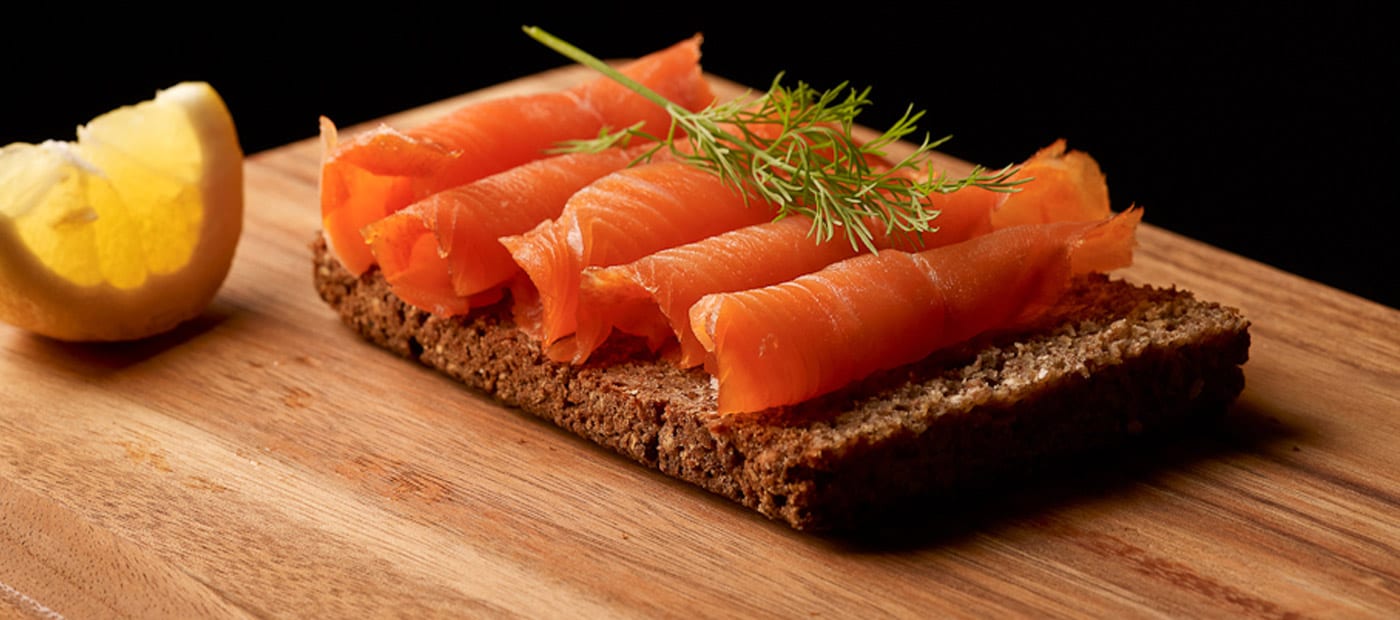

For decades, public health messaging about Listeria monocytogenes has focused on a familiar set of high-risk foods: deli meats, hot dogs, soft cheeses made from unpasteurized milk, and smoked seafood. While these remain important vehicles for infection, a growing body of outbreak investigations reveals that Listeria can contaminate a far broader range of foods than consumers, and sometimes regulators, anticipate. From refrigerated pasta meals to enoki mushrooms and even ice cream, the pathogen’s ability to survive and grow at refrigeration temperatures makes it a persistent threat across the cold food supply chain. Understanding these unexpected sources is essential for protecting the populations most vulnerable to severe outcomes: pregnant women, older adults, and immunocompromised individuals.
The 2025-2026 Prepared Pasta Outbreak: A Case Study in Unexpected Contamination
Between August 2024 and November 2025, a multistate outbreak of Listeria monocytogenes infections linked to prepared pasta meals demonstrated how a seemingly safe convenience food could become a vehicle for deadly illness. A total of 28 people infected with the outbreak strain were reported from 19 states, with illness onset dates spanning more than 15 months (The Centers for Disease Control & Prevention [CDC], February 2026). Of those with information available, 27 were hospitalized, and seven deaths were reported across Arizona, Hawaii, Illinois, Michigan, Oregon, Texas, and Utah. One pregnancy-associated illness resulted in fetal loss.
The investigation revealed a complex supply chain. Public health officials interviewed sick individuals about foods consumed in the month before illness onset. Of 13 people interviewed, seven reported eating precooked meals, and four of those seven specifically reported eating chicken fettuccine alfredo. These products had been purchased from the refrigerated section at Walmart and Kroger. Subsequent laboratory testing identified the outbreak strain in chicken fettuccine alfredo produced by FreshRealm, and further testing traced the contamination to pasta supplied by Nate’s Fine Foods. A beef meatball linguine marinara meal also tested positive for the outbreak strain, though those products had not been distributed for sale.
The recall that followed was extensive. Recalled products included prepared meals sold under multiple brand names, including Sprouts Farmers Market smoked mozzarella pasta salad, Giant Eagle pasta salad, Kroger deli bowtie and penne pasta salads, Scott & Jon’s Shrimp Scampi with Linguini Bowls, Trader Joe’s Cajun Style Blackened Chicken Breast Fettucine Alfredo, Albertsons deli pasta salads, Marketside linguine with beef meatballs and marinara, and Home Chef chicken fettuccine alfredo (American Academy of Pediatrics, February 2026). The outbreak ultimately led to 15 additional types of ready-made pasta products being recalled after initial recalls.
What made this outbreak particularly concerning was the nature of the contaminated products. Unlike deli meat, which consumers might reasonably associate with Listeria risk, refrigerated pasta meals are often perceived as safe, requiring only brief heating before consumption. The CDC noted that the true number of sick people was likely higher than reported, as some individuals recover without medical care and are not tested for Listeria.
Frozen Desserts: Cold but Not Safe
Ice cream and frozen desserts represent another category of unexpected Listeria risk. Hong Kong health authorities have highlighted that despite their frozen state, these products are considered high-risk foods because they do not undergo heat treatment before consumption to eliminate pathogenic bacteria (The Centre for Food Safety, August 2025).
Listeria monocytogenes can survive and even grow in frozen foods. The bacterium’s ability to thrive at low temperatures distinguishes it from most other foodborne pathogens. In frozen dessert production, contamination can occur through multiple pathways. Milk collected from ruminant farms may contain Listeria, and unpasteurized milk poses particular risks. Equipment such as soft-serve ice cream machines and scoops can become contaminated if not properly cleaned and sanitized. Nozzles and other components that remain at room temperature during operation can allow bacterial growth in residual product.
Starting in July 2026, an amendment to European Union food safety regulations will impose stricter requirements for ready-to-eat foods that can support Listeria growth. Ice cream and cream products with a short shelf life may be exempt from certain testing requirements if they can demonstrate they do not support pathogen growth (BAV Institute, September 2025), but the regulation underscores the ongoing concern about Listeria in frozen desserts.
Enoki Mushrooms: A Recurring Produce Concern
Fresh mushrooms, particularly enoki mushrooms, have emerged as a recurring source of Listeria contamination. Last month, the Canadian Food Inspection Agency issued a recall for Mushmoshi brand enoki mushrooms distributed in British Columbia and possibly other provinces and territories after testing detected Listeria monocytogenes contamination (Government of Canada, February 2026). The mushrooms, sold in 200-gram packages with a best-before date of August 3, 2026, were also available through Amazon.
At the time of the recall, no illnesses had been reported, but the recall was classified as Class I, the most serious category, indicating a reasonable probability that consumption of the product could cause serious adverse health consequences or death. The Canadian Food Inspection Agency noted that food contaminated with Listeria may not look or smell spoiled but can still cause illness.
Enoki mushrooms have been implicated in Listeria outbreaks previously. Their growing environment, typically in warm, humid conditions, can support bacterial growth, and because they are often consumed raw or lightly cooked, contamination presents a significant risk to consumers.
Traditional and Specialty Foods: The Norwegian Smalahove Outbreak
Listeria can also contaminate traditional and specialty foods that may not be widely recognized as high-risk by consumers outside specific cultural contexts. In Norway, an outbreak linked to traditional sheep’s head products demonstrated this reality. Six patients were confirmed with Listeria infections between January 2025 and January 2026, all of whom were hospitalized (Norwegian Institute for Public Health, January 2026). The patients, aged 60 to 90, included four women and two men.
Investigators traced the outbreak to products from the company Smalahovetunet Voss, including smalahovesylte (pressed and boiled meat from a sheep’s head), rullepølse (a spiced meat roll), and smalahove (a traditional dish made from a sheep’s head). The Norwegian Veterinary Institute detected Listeria monocytogenes in unopened packages of rullepølse and opened packages of sylte collected from the homes of two sick individuals.
The Norwegian outbreak highlights that Listeria risk is not confined to mass-produced commercial products. Traditional foods, particularly those involving animal heads or other specialty cuts, can serve as vehicles for contamination if proper hygiene and processing controls are not maintained. The Norwegian Institute of Public Health noted that 43 cases of listeriosis were reported in Norway in 2025, the highest number ever recorded in a single year.
Packaged Salads: A Decade of Recurring Outbreaks
Packaged salads have been a recurring source of Listeria outbreaks since 2015, and retrospective analyses reveal the persistence of contamination in production environments. Two simultaneous outbreaks investigated in 2021 resulted in 30 illnesses, 27 hospitalizations, and four deaths across the United States and Canada over an eight-year period (Emerging Infectious Diseases Journal, December 2025).
The first outbreak, designated Outbreak A, spanned 2014 to 2022 and involved 20 U.S. cases and two Canadian cases. Routine sampling by the Georgia Department of Agriculture in October 2021 identified Listeria in a brand’s packaged garden salad produced at a North Carolina facility, prompting a voluntary recall. Subsequent sampling by Michigan public health authorities detected a highly related strain of Listeria in iceberg lettuce produced by the same firm’s Arizona facility. A root-cause analysis eventually revealed the outbreak strain on a harvest rig used across multiple facilities, demonstrating that contamination can persist outside processing environments—in this case, on equipment used to harvest lettuce in the field.
The second outbreak, Outbreak B, occurred during 2016 to 2021 with 10 U.S. cases. Investigators reviewed genetic data and found that the clinical isolates matched strains previously detected in Salinas Valley, California watersheds as part of a USDA study. FDA traceback linked the contaminated salad mix to a production facility in Illinois, and further investigation revealed that one of the four fields supplying produce to that facility was located in the same county where the strain had been identified in California watersheds. This finding underscored the value of widespread microbiologic sampling of watersheds and the role that natural environments can play as reservoirs of Listeria contamination.
A Persistent Challenge: Why Listeria Thrives in Unexpected Places
Several characteristics of Listeria monocytogenes explain its ability to contaminate such a diverse range of foods. First, the bacterium is ubiquitous in the environment. It naturally exists in soil, plants, decaying vegetables, sewage, and untreated water. When animals defecate in or near water sources, Listeria can enter agricultural water supplies and contaminate crops.
Second, Listeria can survive and grow at refrigeration temperatures. Most foodborne pathogens are inhibited by cold storage, but Listeria can continue to multiply in refrigerated foods over time. This characteristic makes it particularly dangerous in ready-to-eat foods that have extended shelf lives.
Third, Listeria can persist in food processing environments for years. Research has shown that the bacterium can establish resident populations in processing facilities, contaminating equipment, drains, and floors. In the packaged salad outbreaks, the same strain of Listeria was found in a facility’s harvest rig years after initial contamination.
Fourth, the infectious dose for vulnerable populations is low. Unlike some pathogens that require ingestion of millions of organisms to cause illness, Listeria can cause invasive disease with relatively small numbers of bacteria, particularly in pregnant women, older adults, and immunocompromised individuals.
Health Consequences and Populations at Risk
Listeria infection manifests differently depending on the affected individual. For healthy adults, illness may be mild with fever, muscle aches, nausea, fatigue, vomiting, and diarrhea and may resolve without medical intervention. However, in vulnerable populations, the infection can become invasive, spreading beyond the gastrointestinal tract to cause severe illness.
Invasive listeriosis has a mortality rate of approximately 20 to 30% in the United States, making Listeria the third leading cause of death from foodborne illness (U.S. Food & Drug Administration, August 2020). In the recent prepared pasta outbreak, seven of 28 confirmed cases resulted in death, a mortality rate of 25%.
Pregnant women face particular risks. Listeria infection during pregnancy can cross the placenta and infect the developing fetus, leading to miscarriage, stillbirth, premature delivery, or severe illness in the newborn. Pregnant women infected with Listeria may experience only mild, flu-like symptoms, making the infection easy to overlook until complications arise.
Symptoms of invasive listeriosis typically appear one to four weeks after consuming contaminated food, though onset can occur as early as the same day or as late as 10 weeks later. For non-pregnant people with invasive disease, symptoms may include headache, stiff neck, confusion, loss of balance, and convulsions, in addition to fever and muscle aches.
Consumer Protection: Identifying and Avoiding Unexpected Sources
The diversity of Listeria contamination sources requires consumers to adopt a broader awareness of risk. Key protective measures include:
First, maintain proper refrigeration temperatures. Keep refrigerators at 40 degrees Fahrenheit or below and freezers at 0 degrees Fahrenheit. Because Listeria can grow at refrigeration temperatures, even properly stored foods have limited safe shelf lives.
Second, pay attention to recalls. The 2025-2026 prepared pasta outbreak resulted in recalls across numerous retailers and brand names. Consumers should regularly check recall notices and promptly dispose of or return recalled products.
Third, clean refrigerators and surfaces after recalls. Listeria can survive in refrigerators and spread to other foods. After a recall, consumers should clean containers and surfaces that may have touched recalled foods.
Fourth, understand that “ready-to-eat” does not mean “no risk.” Prepared meals, salads, and other refrigerated foods intended for minimal heating may still harbor pathogens. The CDC recommends heating prepared meals until steaming hot before consumption.
Analysis and Next Steps
The emerging understanding of Listeria contamination reveals several significant developments. What is new is the recognition that prepared meals, frozen desserts, mushrooms, and even traditional specialty meats are recurring vehicles for listeriosis, expanding the risk profile beyond deli meats and soft cheeses. The 2025-2026 prepared pasta outbreak demonstrated that even foods with relatively low perceived risk can cause widespread illness and death when contamination occurs upstream in the supply chain. Additionally, the packaged salad analysis highlighted that Listeria can persist in natural environments such as watersheds and harvest equipment for years, complicating traditional facility-focused prevention efforts.
This matters because the populations most vulnerable to Listeria such as pregnant women, older adults, and immunocompromised individuals who often consume these foods without awareness of risk. The demographic data from the prepared pasta outbreak reflects this vulnerability: the median age of patients was 75 years, with cases ranging from 4 to 92 years, and 68% of cases were female. Older adults seeking convenient prepared meals may inadvertently expose themselves to serious risk.
The populations affected by these emerging sources are not limited to direct consumers. Pregnancy-associated listeriosis can affect fetuses and newborns who have no choice in food selection. Secondary contamination within households can spread illness to others.
What to do now requires coordinated action across multiple levels. For consumers, particularly those in vulnerable groups, awareness that refrigerated prepared foods, salads, frozen desserts, and mushrooms can harbor Listeria should inform food choices. Heating prepared meals until steaming hot before consumption can eliminate the pathogen. For food producers, the lesson from these outbreaks is clear: environmental monitoring must extend beyond processing facilities to harvest equipment, water sources, and agricultural environments. Whole genome sequencing of Listeria isolates enables tracking of persistent contamination and identification of sources that might otherwise remain hidden. For regulators, the lengthy duration of the prepared pasta outbreak, spanning more than a year before full resolution, suggests that current surveillance and traceback systems require strengthening to identify sources more quickly and prevent additional illnesses.
Ultimately, the unexpected sources of Listeria contamination reflect the pathogen’s remarkable adaptability and persistence. Protecting public health requires not only vigilance around known high-risk foods but also ongoing surveillance to identify emerging sources as food production systems evolve.
