


About Hantavirus
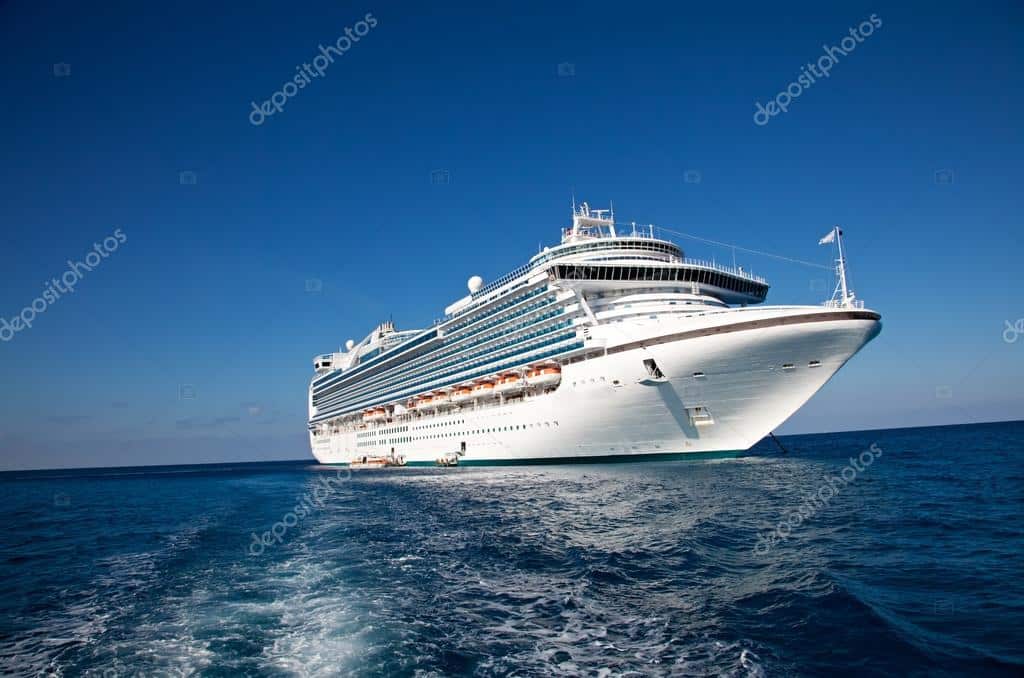
Hantavirus is not the kind of disease most people expect to hear about on a cruise ship. Cruise outbreaks are usually associated with norovirus, contaminated food, unsafe water, or close-contact respiratory infections. But this month, May 2026, a suspected hantavirus cluster aboard the MV Hondius, a polar expedition cruise ship traveling between Argentina and the Canary Islands, drew international attention after several passengers developed severe respiratory illness. According to the World Health Organization, the cluster was reported on May 2, 2026; by May 4, seven cases had been identified, including two laboratory-confirmed hantavirus infections, five suspected cases, three deaths, one critically ill patient, and three people with mild symptoms. The ship carried 147 passengers and crew.
Hantaviruses are a family of viruses carried primarily by rodents. People usually become infected when they inhale particles contaminated by infected rodent urine, droppings, or saliva, though bites and scratches can also, although rarely, transmit the virus. In the Americas, hantaviruses can cause hantavirus cardiopulmonary syndrome, a severe respiratory illness that may progress rapidly and can be fatal. WHO notes that the case fatality rate for HCPS can reach up to 50%, depending on the virus strain and clinical circumstances.
The MV Hondius outbreak is especially concerning because hantavirus is usually linked to environmental exposure rather than cruise-ship transmission. Early reporting indicated that South African health authorities identified the Andes strain in two passengers. The Andes strain is unusual among hantaviruses because limited person-to-person transmission has been documented, especially among close contacts. That possibility made the shipboard setting more complicated: cabins, shared air, close social contact, and delayed access to advanced medical care all increase the stakes when a rare respiratory infection appears at sea.
The outbreak also shows why cruise ships are uniquely vulnerable to infectious disease events. Ships gather travelers from many countries, move through multiple jurisdictions, and combine lodging, dining, recreation, medical care, waste management, and transportation in one contained environment. The CDC’s Vessel Sanitation Program explains that cruise travel exposes travellers to new environments and high volumes of people, creating risks involving contaminated food or water and person-to-person contact. Although the VSP is best known for preventing gastrointestinal illness, its broader public-health framework—sanitation, surveillance, pest control, cleaning, water safety, and outbreak response—offers useful lessons for preventing unusual infections like hantavirus as well.
How is Hantavirus different from typical foodborne illness?
The key difference is that hantavirus prevention begins with rodent exposure, not food handling. CDC states that the best way to prevent hantavirus infection is to avoid exposure to rodents and their urine and feces. That means preventing rodent entry, removing food sources that attract rodents, trapping rodents when needed, and cleaning contaminated spaces safely. Interestingly, the CDC specifically warns against typical cleanup methods, such as sweeping or vacuuming, when handling rodent droppings in order to prevent the aerosolization of virus particles. Instead, contaminated areas should be sprayed with disinfectant or bleach solution, allowed to soak, and wiped up while wearing gloves.
This is where food-poisoning prevention practices become relevant. Foodborne outbreak prevention relies on a “systems” approach rather than waiting for people to get sick. The FDA’s HACCP model is built around identifying hazards, determining critical control points, setting limits, monitoring procedures, taking corrective actions, verifying that controls work, and keeping records. While hantavirus is not usually foodborne, the logic of HACCP applies well: identify where exposure could happen, control the hazard before illness occurs, monitor high-risk areas, and respond quickly when something goes wrong.
On a cruise ship, that could mean treating rodent control as seriously as food temperature control or potable water safety. Storage areas, waste rooms, provisioning docks, expedition gear rooms, laundry areas, kitchens, cabins, and shore-excursion equipment should be inspected for signs of rodent activity. Food waste should be sealed and removed promptly. Supplies taken aboard from ports should be checked for contamination. Expedition vessels, especially those visiting remote regions, should assess rodent exposure risks during land excursions, camps, wildlife viewing, and storage of outdoor gear.
However, food-safety practices alone would not fully prevent hantavirus. A norovirus or Salmonella prevention plan focuses heavily on hand hygiene, food handling, surface disinfection, sick-worker exclusion, water systems, and passenger isolation. Those measures are valuable, but hantavirus requires additional environmental controls. The main risk is not undercooked food or a sick food handler; it is contact with infected rodents or contaminated dust. Therefore, prevention must include pest exclusion, safe cleanup, ventilation of contaminated spaces, protective equipment for staff, and clear protocols for cabins or storage areas where droppings are found.
One additional factor linking foodborne illness prevention and hantavirus prevention is the concept of environmental monitoring. In food safety systems, environmental monitoring involves regularly testing surfaces, storage areas, equipment, and preparation spaces for signs of microbial contamination before human illness occurs. Food manufacturers and cruise operators commonly use these systems to detect dangerous pathogens such as Listeria monocytogenes or Salmonella in areas where contamination could spread to food or passengers. According to the U.S. Food and Drug Administration, environmental monitoring programs are considered critical preventive tools because they help identify sanitation failures before outbreaks emerge. While hantavirus surveillance functions differently, a similar preventive philosophy could be highly valuable aboard ships and in expedition settings.
For example, routine inspections for rodent activity could become part of standard shipboard health and sanitation audits. Crew members trained to recognize gnaw marks, nesting materials, droppings, unusual odors, or food-package damage may be able to identify a rodent problem before exposure occurs. Storage compartments, laundry facilities, food supply areas, maintenance rooms, and rarely accessed sections of the vessel may be particularly important because rodents are more likely to inhabit dark, enclosed spaces with limited disturbance. Cruise operators could also incorporate environmental reporting systems that require crew to document and immediately escalate any evidence of pests or contamination.
Ventilation practices are another important overlap between foodborne illness prevention and hantavirus control. Poor ventilation can worsen the spread of aerosolized particles, including dust contaminated with rodent excreta. CDC guidance emphasizes that enclosed spaces contaminated by rodents should first be ventilated before cleaning begins. On ships, where many areas are enclosed and climate-controlled, ventilation standards could play an important role in reducing airborne exposure risks. This is especially relevant on expedition cruises, where outdoor equipment, boots, luggage, or supplies may be brought aboard after exposure to remote environments.
Why This Is Important
The outbreak aboard the MV Hondius also demonstrates how quickly unusual pathogens can become international public-health concerns in modern travel settings. Cruise ships function almost like small floating cities, meaning that even diseases not traditionally associated with maritime travel can spread fear, disrupt logistics, and require coordinated multinational responses. Expanding environmental monitoring and sanitation systems beyond traditional foodborne pathogens may therefore become increasingly important as cruise tourism continues to grow and travelers visit more remote regions of the world.
The MV Hondius case also raises the issue of shore excursions. Authorities initially considered whether exposure occurred during land-based wildlife observation rather than aboard the ship. This matters because cruise companies do not only manage the ship; they also manage passenger movement through environments where unfamiliar pathogens may exist. For expedition cruises, risk assessment should include local disease ecology: What rodents live in the area? Are hantaviruses known there? Are passengers entering cabins, sheds, campsites, barns, or dusty enclosed spaces? Are guides trained to recognize unsafe conditions?
The answer to whether food-poisoning prevention practices could prevent hantavirus is therefore: partly, but not completely. The overlap is strongest in sanitation culture, hazard analysis, pest management, documentation, and rapid outbreak response. CDC’s cruise-ship sanitation work already includes food safety, water quality, cleaning of cabins and common areas, HVAC considerations, and pest-management strategies. Those same categories can support hantavirus prevention if they are expanded beyond gastrointestinal illness.
The biggest lesson is that prevention must be proactive. Foodborne illness systems improved because regulators and operators learned that inspection after the fact is not enough. Hantavirus prevention needs the same mindset. Ships should not wait until someone develops respiratory failure to ask whether rodents contaminated a storage room or excursion site. They should document pest inspections, train crew in safe cleanup, track respiratory illness patterns, and have protocols for isolating suspected cases.
Medical surveillance is also essential. Hantavirus often begins with nonspecific symptoms such as fever, fatigue, muscle aches, headache, nausea, vomiting, or abdominal discomfort before progressing to coughing and severe breathing problems. Mayo Clinic describes hantavirus pulmonary syndrome as beginning with flu-like symptoms and then rapidly progressing to life-threatening lung and heart problems. On a ship, early symptoms could easily be mistaken for influenza, COVID-19, seasickness, food poisoning, or travel fatigue. That delay can be dangerous.
Cruise operators should therefore train medical staff to consider travel history and environmental exposure, not just common cruise pathogens. A passenger who recently entered a dusty storage area, rural shelter, campsite, or rodent-infested building and then develops fever and respiratory symptoms should trigger a different level of concern. For expedition cruises in particular, pre-trip health briefings should include unusual but serious risks, just as travelers are warned about altitude, hypothermia, wildlife, or contaminated water.
The MV Hondius outbreak also shows the importance of international coordination. The ship involved passengers and crew from multiple countries, was anchored near Cape Verde, had patients treated or evacuated through different jurisdictions, and later involved Spanish repatriation plans. Reuters reported that Spain planned to repatriate asymptomatic passengers, while Spanish citizens would be flown to a Madrid hospital for quarantine. Africa CDC stated that the outbreak appeared confined to the ship, with no evidence of transmission within African countries, while advising strengthened port health services and infection-prevention measures.
In this sense, hantavirus aboard a cruise ship is not just a medical problem. It is a logistical, legal, environmental, and public-health problem. Who has authority over the ship? Where should passengers disembark? Which country manages quarantine? How long should close contacts be monitored? What level of disinfection is required before the ship resumes operations? These questions become harder when the disease is rare and the incubation period may be long.
Food-poisoning outbreak prevention offers one more important lesson: transparency matters. In foodborne outbreaks, delays in reporting can allow contaminated products to remain on shelves or expose more consumers. On a ship, delays can allow passengers to continue mingling, crew to keep working while symptomatic, or contaminated areas to remain accessible. Clear reporting systems, passenger communication, and cooperation with public-health agencies can reduce confusion and prevent rumors.
Still, prevention must be realistic. No cruise operator can eliminate all infectious-disease risk, especially for expedition travel. But risk can be reduced. A strong hantavirus prevention plan would include pre-voyage rodent inspections, safe food and waste storage, sealed supply areas, pest-control logs, safe cleanup procedures, crew training, excursion risk assessment, passenger education, rapid medical evaluation, isolation protocols, and coordination with port-health authorities. These are not entirely new ideas; they are extensions of the same prevention philosophy used in food safety.
The broader takeaway is that outbreak prevention should not be siloed. Foodborne illness, norovirus, respiratory viruses, and zoonotic diseases all exploit weak points in sanitation, surveillance, training, and communication. Hantavirus may not be a typical cruise-ship pathogen, but the systems built to prevent food poisoning can still help if they are adapted to the right hazard. The goal is not simply cleaner kitchens; it is a shipwide culture of environmental health.
The MV Hondius outbreak is a warning that modern travel can bring rare pathogens into unexpected settings. It also shows that the boundary between land-based exposure and shipboard risk is porous. A passenger may be exposed during an excursion, become ill at sea, and then require international evacuation. In that chain of events, prevention depends on every link: environmental awareness on land, sanitation and pest control aboard ship, early clinical suspicion, and coordinated public-health response.
Hantavirus is frightening because it can be severe, fast-moving, and difficult to recognize early. But it is also preventable in many circumstances. The central prevention message remains simple: avoid contact with rodents and rodent-contaminated materials. The more complex challenge is building travel systems that make that simple rule operational. Food-safety practices cannot prevent every hantavirus case, but their core principles—hazard identification, prevention before exposure, monitoring, corrective action, documentation, and rapid response—provide a strong model. In the wake of the cruise-ship outbreak, cruise operators, public-health agencies, and travelers should treat hantavirus not as a freak event, but as a reminder that sanitation, pest control, and infectious-disease preparedness are inseparable.
