

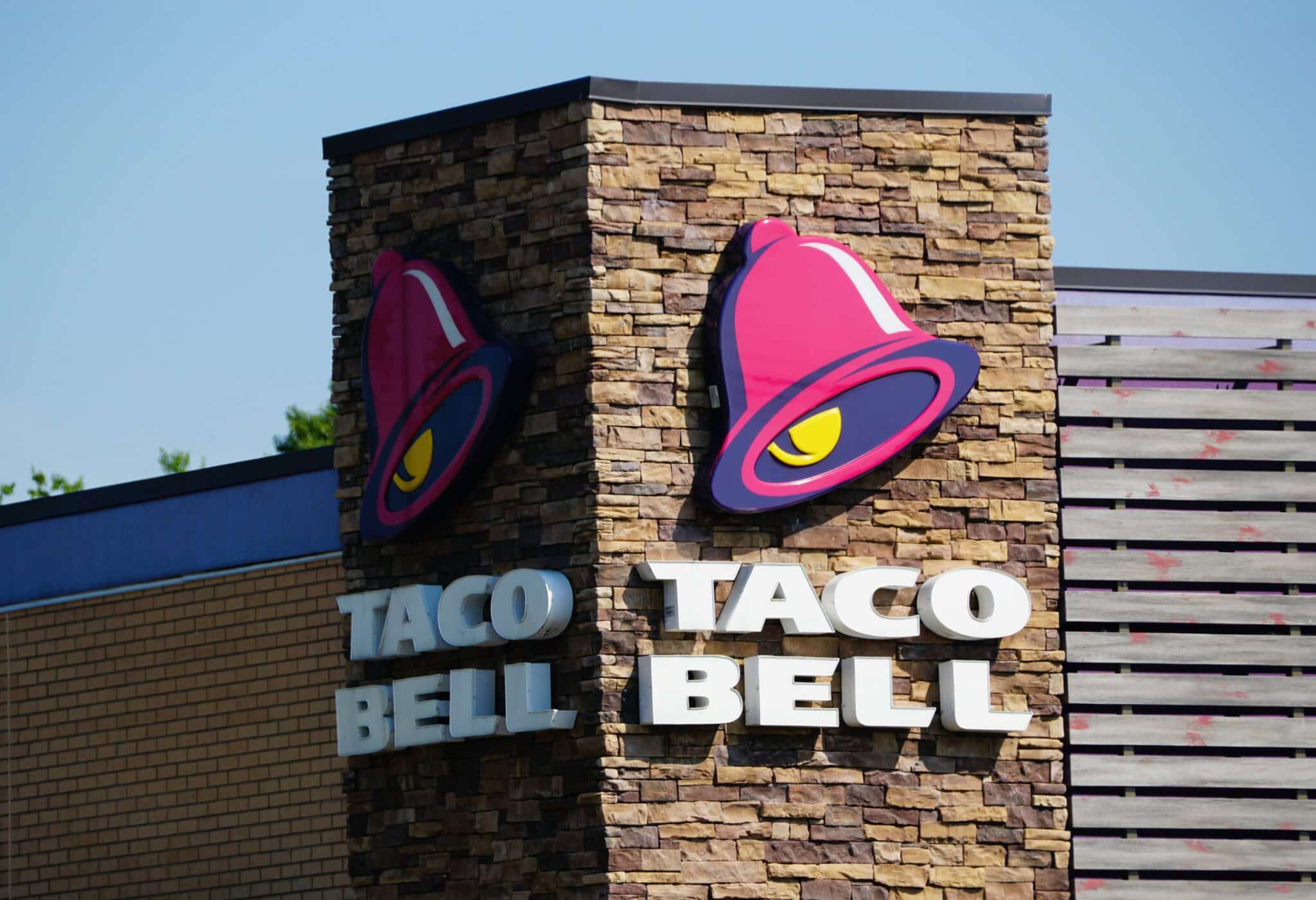

The summer of 2026 has brought the largest outbreak of cyclosporiasis in U.S. history. As of this week, the Centers for Disease Control and Prevention (CDC) had received reports of 4,173 confirmed domestic cases, with more than 2,500 additional cases requiring further analysis. At least 308 people have been hospitalized, and the true number of illnesses is likely much higher, as cyclosporiasis is often underdiagnosed and underreported. The source, investigators believe, is shredded iceberg lettuce from a single supplier in Mexico, Taylor Farms de Mexico, served at Taco Bell locations in Indiana, Kentucky, Michigan, Ohio, and West Virginia. This outbreak is merely the latest in a long line of produce-related foodborne illness events that have exposed a fundamental vulnerability in the modern food system: the difficulty of preventing and containing contamination at the scale of industrial agriculture. When a single farm or processing facility supplies ingredients to millions of consumers across dozens of states, a contamination event that might once have been localized can now sicken thousands before it is even detected.
The 2026 Cyclospora Outbreak: A Case Study in Scale and Complexity
The current Cyclospora outbreak is notable not only for its size but also for the challenges it has posed to investigators. Illnesses have been reported from 41 states, with cases concentrated in Indiana, Kentucky, Michigan, Ohio, and West Virginia.
The investigation has been anything but straightforward. On July 17, 2026, Taylor Farms de Mexico announced that they were voluntarily removing all iceberg lettuce sourced from central Mexico from the U.S. market, and initiated a recall. The U.S. Food & Drug Administration’s (FDA) traceback investigation had identified a single supplier, Taylor Farms de Mexico, that provided shredded iceberg lettuce used by Taco Bell locations where sick people ate before becoming ill. However, the path to this conclusion was marked by false starts. On July 18, the FDA announced that a sample of Taylor Farms lettuce had tested positive for Cyclospora. The following day, the agency retracted the finding, calling it a false positive. Despite this setback, the FDA maintained that the epidemiologic evidence continued to point to Taylor Farms lettuce as the source.
This episode illustrates a persistent challenge in foodborne outbreak investigations: the difficulty of definitively linking illnesses to a specific product when the pathogen is a parasite like Cyclospora, which is notoriously difficult to detect in food samples. Investigators have had to rely on epidemiologic data and traceback investigations, which are time-consuming and resource-intensive. The complexity of the supply chain, with produce moving from farms to processing facilities to distributors to restaurants and retailers, makes it extraordinarily difficult to pinpoint the exact point of contamination. As the CDC notes, Cyclospora investigations are “particularly challenging and take a significant amount” of time and resources. The parasite is often associated with imported fresh produce, and identifying the particular food item or ingredient causing an outbreak can be challenging.
The Challenge of Scale: Why Large Farms Are Particularly Vulnerable
Large-scale farming operations face a unique set of challenges when it comes to preventing contamination. The sheer volume of produce handled by a company like Taylor Farms, which supplies fruits and vegetables to many restaurants and grocery stores throughout the U.S., sourcing and processing the food before distributing it, means that a single contamination event can affect an enormous number of consumers. The company noted that the implicated farm represented “less than 1% of the U.S.’s iceberg lettuce supply,” yet the outbreak has sickened thousands.
One of the most significant vulnerabilities is water. Cyclospora is typically transmitted through food or water contaminated with human feces. Contaminated irrigation water is a well-documented route for pathogens to enter the produce supply. The FDA’s Food Safety Modernization Act (FSMA) includes provisions for agricultural water quality, but implementing these standards across dozens of farms and multiple countries is a formidable logistical challenge. The Pre-harvest Agricultural Water Rule, one of the FSMA regulations that applies to the specialty crop industry, sets expectations for farms to conduct written, pre-harvest agricultural water assessments. However, farms of all sizes have reported financial and time constraints as challenges to optimal implementation of microbial risk reduction strategies.
Another critical factor is the complexity of the supply chain. Taylor Farms sources produce from multiple regions, including Mexico, where the implicated lettuce originated. This international dimension adds another layer of complexity to traceback investigations, as investigators must navigate different regulatory systems, agricultural practices, and record-keeping standards. Mexico’s Health Minister David Kershenobich has stated that there is no evidence yet to suggest lettuce sourced from Mexico caused the outbreak, highlighting the diplomatic tensions that can arise in cross-border investigations. The FDA’s ability to inspect foreign suppliers is limited, and contamination may not be detected until after products have been distributed and consumed.
Producers face their own challenges in implementing food safety practices. A 2025 study found that time and money are the biggest barriers to adoption of on-farm food safety practices. Farms of all sizes reported financial and time constraints being a challenge to optimal implementation of microbial risk reduction strategies. The study also noted that producers may find federal and state food safety laws, FDA regulations, and buyer-required certifications challenging to understand or implement across different specialty crop production systems. Evidence-based training, outreach, and support were identified as key needs for growers to implement appropriate produce safety practices.
A History of Recurring Outbreaks
The 2026 Cyclospora outbreak is not an isolated incident. In 2024, slivered onions served on McDonald’s Quarter Pounders were contaminated with E. coli, leading to at least 104 illnesses and one death. Taylor Farms was also the supplier in this case.
In November 2024, an outbreak of E. coli O157:H7 linked to romaine lettuce infected at least 89 people across 15 states, hospitalizing more than a third and resulting in one death. No source was implicated in the outbreak.
In 2024 and 2025, a Listeria outbreak linked to recalled pasta meals resulted in at least six deaths and 27 illnesses across 18 states.
These recurring events suggest that the current regulatory framework, while improved by FSMA, has not fully addressed the underlying vulnerabilities in the produce supply chain.
The human and economic costs of these outbreaks are substantial. It is estimated that the annual cost of all foodborne illnesses in the United States is close to $75 billion annually. For the individuals affected, cyclosporiasis can be a debilitating experience. The hallmark symptom is watery diarrhea, which can be frequent and sometimes explosive. Other common symptoms include loss of appetite, weight loss, stomach cramps, bloating, nausea, and fatigue. If untreated, the illness can last from a few days to a month or longer, with symptoms often relapsing. Immunocompromised persons may experience more severe illness of longer duration along with complications requiring close medical attention.
Regulatory and Industry Responses
The FSMA, enacted in 2011, was designed to shift the focus of food safety from responding to outbreaks to preventing them. The law includes provisions for preventive controls, produce safety, and imported food safety. However, implementation has been uneven. A January 2026 report from the U.S. Government Accountability Office found that the FDA has not completed all of the law’s requirements, including updated guidance to help farmers reduce contamination risks. The agency has also not assessed whether the framework has contributed to preventing foodborne illness. The FSMA 204 traceability rule deadline was extended to July 20, 2028, reflecting the ongoing struggle for compliance across the industry.
There are, however, promising developments. The CDC’s genotyping program for Cyclospora, which involves analyzing the genetic makeup of the parasite from different cases, promises to improve outbreak investigations, potentially enabling investigators to trace the origins of contaminated produce with heightened precision and fostering the development of prevention and control programs. In response to the 2026 outbreak, Taylor Farms has taken steps to address the contamination, including the voluntary recall and cooperation with investigators. The company has stated that it is “actively removing the implicated products” and has “stopped receiving product from the implicated lot, suspended distribution of the iceberg lettuce from Central Mexico.”
Analysis and Next Steps
What is new about the 2026 Cyclospora outbreak is not the pathogen or the vehicle, but the scale. With more than 4,000 confirmed cases and thousands more under investigation, this is the largest cyclosporiasis outbreak in U.S. history. The outbreak has exposed persistent vulnerabilities in the produce supply chain, particularly the difficulty of ensuring food safety across large, complex, and international operations. The false-positive test result and the subsequent retraction highlight the challenges of relying on laboratory testing for a parasite that is notoriously difficult to detect. The fact that the source remains identified only through epidemiologic evidence, rather than positive product samples, underscores the limitations of current detection methods.
Why this matters is because the current system is not working as effectively as it should. Despite the FSMA’s emphasis on prevention, outbreaks of produce-related foodborne illness continue to occur with alarming frequency. The 2024 E. coli outbreak linked to romaine lettuce, the 2024 E. coli outbreak linked to Taylor Farms onions, and the 2026 Cyclospora outbreak linked to Taylor Farms lettuce all point to a systemic problem: the difficulty of preventing contamination in large-scale produce operations. The fact that the implicated farm represented less than 1 percent of the U.S. iceberg lettuce supply, yet caused thousands of illnesses, demonstrates how a single point of failure can have widespread consequences.
Who is affected is everyone who eats fresh produce, but the burden falls disproportionately on vulnerable populations. Children, the elderly, and immunocompromised individuals face the highest risks of severe outcomes. The economic costs are borne by consumers, the food industry, and the healthcare system. Restaurants like Taco Bell have also suffered, with foot traffic declining 30% after federal health officials named the chain in the investigation.
What to do now requires a multi-pronged approach. For regulators, the findings support continued investment in surveillance, traceback technology, and port-of-entry inspections for imported produce. The FDA should complete all outstanding FSMA requirements and assess whether the current framework is achieving its intended goals. The CDC’s genotyping program for Cyclospora should be expanded and integrated into routine surveillance to enable more rapid identification of sources. For the produce industry, the 2026 outbreak underscores the need for rigorous environmental monitoring, particularly of irrigation water, and for enhanced traceability throughout the supply chain. The FSMA 204 traceability rule, once fully implemented, will require enhanced recordkeeping for high-risk foods, which could help investigators identify sources more quickly. For consumers, the most important step is to stay informed about outbreaks and recalls. Washing produce thoroughly, though not a guarantee against Cyclospora, remains a recommended practice. The ultimate goal is a food system that prevents contamination at the source, rather than relying on consumers to protect themselves.
