

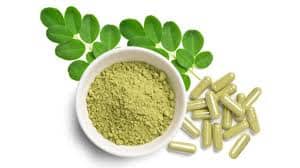

Federal health officials have reopened a multistate Salmonella outbreak investigation after dozens of additional illnesses were reported months after the outbreak was believed to be under control. The outbreak, linked to dietary supplements containing moringa leaf powder, has become one of the most unusual foodborne illness investigations of 2026 and highlights the challenges regulators face when contaminated products remain in consumers’ homes long after recalls are issued.
The U.S. Food and Drug Administration (FDA) and the Centers for Disease Control and Prevention (CDC) originally investigated the outbreak earlier this year after identifying illnesses associated with dietary supplements containing moringa leaf powder. Although the investigation was closed in March, officials announced in late May that new cases had emerged, prompting the agencies to reopen the investigation and issue additional warnings to consumers.
As of May 27, 2026, health officials had identified 119 peopleinfected with outbreak strains of Salmonella across 36 states. Thirty-two people required hospitalization, although no deaths have been reported. According to federal investigators, 22 of these illnesses were reported after the original investigation had already been closed. The newly identified cases demonstrate how outbreaks involving shelf-stable dietary supplements can continue long after contaminated products have been removed from store shelves.
Moringa oleifera is a plant native to parts of Africa and Asia that has gained popularity in recent years as a dietary supplement. Often marketed as a “superfood,” moringa is sold in powders, capsules, teas, and nutritional supplement blends. Consumers frequently purchase these products for their purported nutritional benefits, including vitamins, minerals, antioxidants, and anti-inflammatory compounds.
The popularity of moringa products has grown substantially in the United States, particularly among consumers interested in wellness supplements and powdered greens products. However, the current outbreak has raised concerns about the safety of imported plant-based ingredients and the challenges associated with monitoring dietary supplements.
Products Implicated in the Outbreak
The investigation initially focused on several products containing moringa leaf powder, including Live it Up Super Greens supplement powders and Why Not Natural Pure Organic Moringa Green Superfood capsules. Epidemiological interviews conducted by the CDC found that a large majority of infected individuals reported consuming products containing moringa leaf powder prior to becoming ill.
As the investigation continued, additional products were linked to illnesses. In May, federal officials announced recalls involving TNVitamins Ultra Potent Complete Green Superfood and Doctor’s Pride Complete Green Superfood Ultra Potent Moringa Capsules. These recalls were issued after new illnesses suggested the outbreak was still ongoing. Investigators believe the products share a common ingredient source: contaminated moringa leaf powder.
The FDA and CDC have advised consumers to immediately stop using recalled products and dispose of them safely. Because dietary supplements often have long expiration dates, officials warn that contaminated products may still be present in homes months after purchase.
Why the Investigation Was Reopened
One of the most notable aspects of this outbreak is that it was reopened after being declared over. Outbreak investigations are typically closed when no new illnesses are identified for a prolonged period. However, investigators began identifying additional infections that were genetically related to the original outbreak strains through laboratory testing and whole-genome sequencing.
Whole-genome sequencing allows public health laboratories to compare the DNA of bacterial samples collected from sick individuals. When isolates are highly similar genetically, investigators can determine that illnesses likely originated from the same contamination source. In this case, newly reported infections matched the original outbreak strains, leading regulators to conclude that contaminated products remained in circulation.
Health officials believe the long shelf life of dietary supplements played a major role in the outbreak’s persistence. Unlike perishable foods, supplement powders and capsules may remain in homes for months or even years. Consumers may continue using products long after recalls are announced, particularly if they are unaware that the products were affected.
The reopened investigation is not the only Salmonella outbreak linked to moringa products in 2026. Federal agencies have simultaneously investigated multiple outbreaks involving moringa powders and capsules this year, including a separate outbreak involving MOGO-brand moringa capsules and another involving Rosabella-brand moringa products. One of those outbreaks involved strains of Salmonella that demonstrated extensive antibiotic resistance, increasing concern among public health officials.
The recurrence of outbreaks associated with moringa products has prompted questions about supply chain oversight and ingredient sourcing. In several investigations, regulators identified common suppliers of moringa powder, although tracing contamination to a specific point in production has proven difficult. Moringa products are often imported from overseas suppliers, creating additional challenges for inspection and monitoring efforts.
The moringa-associated Salmonella outbreak offers several important lessons for food safety professionals and consumers alike. First, dietary supplements can present foodborne illness risks similar to conventional foods, even though many consumers perceive them as inherently safe. Second, effective recall communication remains critical, particularly for products that may remain in households for extended periods.
The outbreak also demonstrates the importance of modern surveillance tools such as whole-genome sequencing, which enabled investigators to connect newly reported illnesses to an outbreak that had previously been considered resolved. Without these technologies, many of the additional cases may never have been linked to the contaminated products.
For consumers, the CDC and FDA recommend checking homes for recalled supplements containing moringa leaf powder and discarding any affected products immediately. Individuals who experience symptoms such as diarrhea, fever, stomach cramps, nausea, or vomiting after consuming recalled supplements should seek medical attention, especially if symptoms become severe.
As the investigation continues, public health officials hope the renewed attention will help remove remaining contaminated products from circulation and prevent additional illnesses. However, the outbreak serves as a reminder that foodborne disease investigations do not always end when a recall is issued. Sometimes, the effects of contamination can persist for months, requiring regulators to remain vigilant long after an outbreak appears to be over.
