


A nationwide Salmonella outbreak linked to moringa-containing supplements is raising new questions about the safety of wellness products that millions of Americans trust.
Americans are buying more wellness supplements than ever before. Green powders, superfood blends, herbal capsules, and daily nutrition drinks have become staples in kitchens across the country. Social media influencers promote them as convenient ways to boost energy, improve digestion, support immunity, and increase nutrient intake. For many consumers, these products have become part of a daily health routine.
But a growing Salmonella outbreak linked to supplements containing moringa leaf powder is serving as a reminder that products marketed for wellness can sometimes carry the same food safety risks as any other food item.
Health officials continue to investigate illnesses reported across multiple states, with dozens of people becoming sick after consuming products that contained moringa leaf powder. The outbreak has prompted renewed scrutiny of dietary supplement supply chains and renewed conversations about how these increasingly popular products are monitored for contamination.
While many consumers associate Salmonella with undercooked chicken, eggs, or contaminated produce, food safety experts have long warned that pathogens can survive in a surprising range of products—including dry ingredients commonly found in nutritional supplements.
The outbreak is drawing attention not only because of the number of illnesses involved, but because it challenges a common assumption held by many consumers: that products marketed as natural, plant-based, or health-focused are somehow less vulnerable to contamination.
The reality is far more complicated.
Foodborne pathogens do not distinguish between foods perceived as healthy and foods perceived as unhealthy. They simply exploit opportunities to survive, spread, and reach consumers. Whether a product is a fast-food meal, a bag of lettuce, or a container of green powder marketed for wellness, contamination can occur if proper safety controls fail somewhere along the supply chain.
That reality is now at the center of a public health investigation that is highlighting the unique food safety challenges facing today’s rapidly growing supplement industry.
The Rise of Moringa and the Modern Wellness Market
Moringa has become one of the most recognizable ingredients in the wellness world.
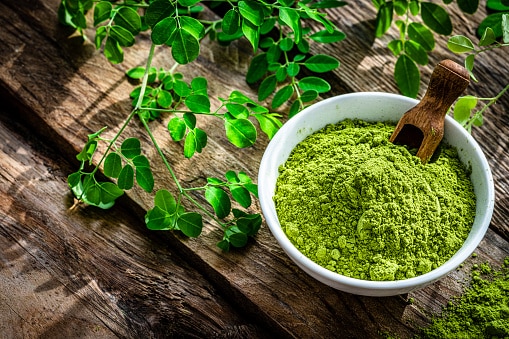
Derived from the leaves of the Moringa oleifera tree, moringa is often promoted as a nutrient-rich superfood containing vitamins, minerals, antioxidants, and plant compounds. It appears in everything from powdered drink mixes and greens supplements to capsules, teas, protein blends, and wellness shots.
The ingredient’s popularity has grown alongside broader consumer interest in plant-based nutrition and functional foods. Increasingly, consumers are looking for products that promise benefits beyond basic nutrition, and supplement manufacturers have responded by introducing a growing number of products featuring ingredients sourced from around the world.
As demand has expanded, however, so has the complexity of the supply chains that bring these products to market.
An ingredient may be grown in one country, harvested in another region, processed elsewhere, shipped internationally, blended with additional ingredients at a manufacturing facility, packaged under multiple brands, and eventually sold to consumers throughout the United States.
Every step creates another opportunity for contamination if adequate controls are not in place.
For food safety professionals, outbreaks linked to globally sourced ingredients often reveal just how interconnected modern food systems have become.
A contamination event occurring thousands of miles away can ultimately affect consumers across dozens of states.
Why Investigators Focused on Moringa-Containing Supplements
One of the challenges facing outbreak investigators is identifying a common exposure among people who may have little else in common.
Individuals affected by foodborne illness often live in different states, shop at different stores, and eat different foods. Finding a common thread requires extensive interviews, laboratory analysis, and epidemiological detective work.
As investigators examined illnesses associated with this outbreak, they began identifying a recurring pattern. Multiple affected individuals reported consuming supplements that contained moringa leaf powder.
That discovery helped investigators narrow their focus and begin examining potential links between products, manufacturers, and ingredient suppliers.
Outbreak investigations involving dietary supplements can be particularly difficult because consumers frequently use products over long periods of time.
Unlike a restaurant meal that may be consumed on a specific day, supplements are often taken daily for weeks or months. Consumers may struggle to remember exact purchase dates, lot numbers, or even brand names. Many also use multiple supplements simultaneously, creating additional challenges for investigators trying to identify the source of contamination.
Modern laboratory technology plays an increasingly important role in overcoming those challenges.
Today, public health investigators frequently use whole genome sequencing to compare bacterial samples collected from patients and products. The technology allows scientists to determine whether illnesses are likely connected to the same source with a level of precision that was not possible just a decade ago.
These tools have transformed foodborne illness investigations, helping officials identify links between cases that might otherwise appear unrelated.
The Misconception That Dry Products Are Safe
One reason this outbreak has attracted attention is that many consumers do not associate dry powdered products with bacterial contamination.
It is easy to assume that bacteria thrive only in moist environments. While moisture certainly supports bacterial growth, pathogens such as Salmonella can survive in low-moisture products for surprisingly long periods.
Food safety researchers have repeatedly documented Salmonella contamination in products such as spices, flour, powdered foods, nuts, protein powders, powdered infant formula, and nutritional supplements.
In these environments, bacteria may not multiply rapidly, but they can remain viable long enough to cause illness when consumed.
This creates a unique challenge for both manufacturers and consumers.
A contaminated supplement may appear completely normal. It may look, smell, and taste exactly as expected. There may be no visible signs that anything is wrong.
Unlike spoilage organisms that cause foods to develop odors, discoloration, or texture changes, Salmonella often remains invisible.
Consumers therefore have little ability to detect contamination on their own.
Instead, they depend on manufacturers, suppliers, regulators, and public health agencies to identify risks before products reach the marketplace.
Understanding the Health Risks of Salmonella
According to the Centers for Disease Control and Prevention (CDC), Salmonella remains one of the leading causes of foodborne illness in the United States. Millions of infections occur globally every year, and the pathogen is responsible for thousands of hospitalizations annually.
Most people infected with Salmonella develop symptoms that may include:
- Diarrhea
- Fever
- Stomach cramps
- Nausea
- Vomiting
- Headaches
- General fatigue
Symptoms typically develop within several hours to several days after exposure.
For many healthy adults, illness eventually resolves without specific treatment. However, not every infection follows a mild course.
Certain populations face significantly greater risks of severe complications, including:
- Young children
- Older adults
- Pregnant women
- Individuals with weakened immune systems
- People with chronic medical conditions
In severe cases, dehydration may require hospitalization. In rare situations, the bacteria can spread beyond the digestive tract and enter the bloodstream, creating potentially life-threatening complications.
Because symptoms often resemble those caused by other gastrointestinal illnesses, many cases likely go unreported.
As a result, public health officials frequently view confirmed cases as only part of the overall picture.
The Unique Food Safety Challenges Facing Supplements
The outbreak is highlighting a broader issue that receives far less public attention than outbreaks linked to restaurants or grocery products.
Many consumers do not think of supplements as foods.
Yet from a food safety perspective, supplements often involve many of the same risks associated with other products entering the food supply.
Raw agricultural ingredients can become contaminated during cultivation, harvesting, drying, storage, transportation, or processing.
Water quality, sanitation practices, animal intrusion, employee hygiene, environmental contamination, and supplier controls can all influence food safety outcomes.
When ingredients travel through multiple facilities before reaching consumers, tracing contamination becomes increasingly complex.
This complexity helps explain why food safety experts often emphasize supplier verification programs, environmental monitoring, testing procedures, and traceability systems.
Each layer of oversight provides another opportunity to identify contamination before products reach consumers.
When those systems fail—or when contamination occurs outside the scope of existing controls—the consequences can extend far beyond a single facility.
Why Outbreak Investigations Matter
One of the most important lessons from this outbreak is the value of modern public health surveillance.
Most consumers never see the investigative work occurring behind the scenes when illnesses begin appearing across the country.
An outbreak may begin with a handful of people experiencing symptoms in different states. Individually, those illnesses appear unrelated.
Only through coordinated laboratory testing, case interviews, epidemiological analysis, and data sharing do investigators begin identifying connections.
Public health agencies routinely compare information from patients, laboratories, healthcare providers, and regulatory agencies to identify patterns that would otherwise remain hidden.
Without those efforts, outbreaks linked to nationally distributed products could continue for much longer periods before being recognized.
The ability to identify emerging threats, communicate risks, and remove potentially contaminated products from the marketplace remains one of the most effective tools available for preventing additional illnesses.
A Reminder That “Healthy” Does Not Always Mean Risk-Free
Perhaps the most significant takeaway from the outbreak is that marketing language should never be confused with food safety.
Terms such as “natural,” “organic,” “plant-based,” and “superfood” may influence consumer perceptions, but they do not eliminate microbiological risks.
Bacteria do not care whether a product is sold in a health food store, a grocery store, or a supplement aisle.
They do not respond to wellness branding or nutritional claims.
Food safety ultimately depends on the effectiveness of the systems designed to prevent contamination before products reach consumers.
As Americans continue spending billions of dollars annually on dietary supplements, consumer expectations regarding product safety are likely to increase as well.
The industry has experienced tremendous growth over the past decade, and with that growth comes increasing pressure to maintain rigorous quality assurance and food safety standards throughout the supply chain.
Looking Ahead
As health officials continue tracking illnesses and examining how contamination entered the supply chain, the outbreak remains a significant example of the challenges facing today’s rapidly expanding wellness industry.
Consumers increasingly view supplements as part of a healthy lifestyle. Yet this investigation demonstrates that food safety risks can emerge anywhere in the supply chain, including products specifically marketed to improve health.
For manufacturers, suppliers, regulators, and public health agencies, the outbreak serves as a reminder that vigilance must extend far beyond traditional food categories.
For consumers, the lesson is equally important.
Products marketed as healthy are not automatically immune from foodborne illness risks. Whether a product comes in the form of fresh produce, a protein shake, a vitamin capsule, or a green superfood powder, the same fundamental expectation remains: it should be safe to consume.
As investigators continue working to understand exactly how contamination occurred and how future incidents can be prevented, the outbreak is reinforcing a simple principle that applies across the entire food system.
Wellness begins with safety.
