

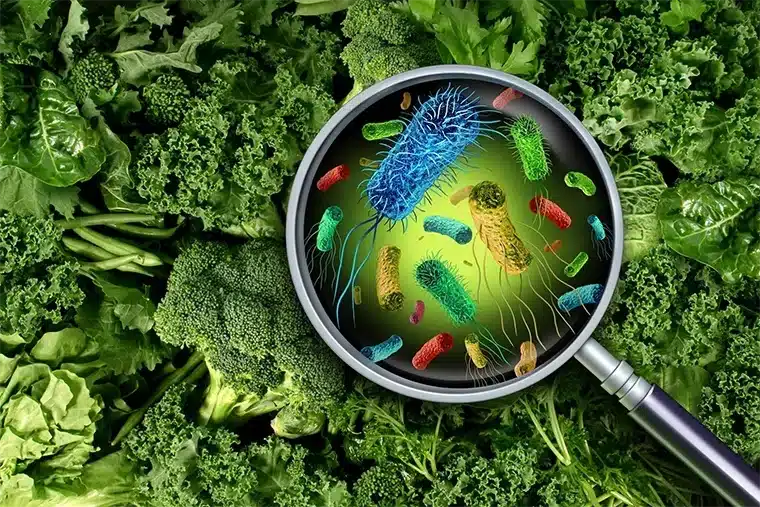

The journey of food from field to fork is a complex, multi‑stage process involving dozens of hands, pieces of equipment, and environmental conditions. At each step, from the planting of a seed to the slicing of a melon on a kitchen counter, there exists a potential entry point for dangerous microorganisms. The pathogens that cause foodborne illness, including Salmonella, Listeria monocytogenes, Escherichia coli O157:H7, Campylobacter, and hepatitis A virus, do not appear from nowhere. They originate in specific environmental, animal, or human reservoirs and are then introduced into the food supply through well‑understood pathways. Understanding these pathways is essential for designing effective prevention strategies at every level, from farm management to consumer education. This article examines how common foods become contaminated, focusing on the vulnerabilities inherent in each stage of the modern food system.
Primary Production: The Field Where Contamination Begins
The first point at which food can become contaminated is during primary production, the growing of crops or the raising of animals for slaughter. For produce, contamination originates in the natural environment. Leafy greens such as romaine lettuce and spinach are grown in open fields where they are exposed to soil, water, wildlife, and weather. The most significant documented risk factor for E. coli O157:H7 contamination of romaine lettuce is untreated overhead irrigation water.
A quantitative microbial risk assessment (QMRA) conducted by researchers at Cornell University, Virginia Tech, and the University of Florida found that 52% of romaine lettuce E. coli O157:H7 outbreaks occur due to contaminated, untreated overhead irrigation water. That same study concluded that this risk could be reduced by as much as 96% through water treatments or by switching to furrow or drip irrigation, which avoid direct contact between water and the edible leaves of the plant.
Agricultural water can become contaminated through several pathways. Surface water sources such as rivers, ponds, and canals are vulnerable to runoff from nearby cattle feedlots or other livestock operations. In a 2018 romaine outbreak, it was proposed that E. coli O157:H7 was introduced into irrigation water through aerial and land‑based spray applications of crop protection chemicals, with the bacteria likely originating from nearby animal agriculture. Contaminated water can also flow into groundwater used for irrigation, a pathway implicated in earlier spinach and iceberg lettuce outbreaks.
Other sources of pre‑harvest contamination include wild and domestic animals. Birds, deer, and feral pigs can deposit feces directly onto crops or into water sources used for irrigation. Improperly composted manure used as fertilizer can introduce pathogens into soil, where they may survive for extended periods before being taken up by plants or splashed onto leaves during rain or irrigation. In the case of frozen berries, which have been linked to repeated hepatitis A outbreaks, contamination often occurs when field workers who lack adequate sanitary facilities handle the fruit. A single infected worker can contaminate hundreds of pounds of berries, and because freezing does not kill the virus, the product remains dangerous for months.
In animal production, the dynamics are different but equally consequential. Poultry is a major source of Campylobacter and Salmonella transmission to humans. These bacteria live naturally in the intestines of birds without causing illness, meaning healthy‑appearing chickens can carry high levels of pathogens. During slaughter, intestinal contents can contaminate carcass surfaces, and the processing environment can then spread contamination from bird to bird. Scalding, defeathering, evisceration, and chilling have been identified as the key processing steps where cross‑contamination occurs, and a German study found that recontamination after evisceration and hygiene after the chilling process were critical intervention points. For swine, Salmonella contamination is similarly propagated along the value chain, with a study in rural Kenya demonstrating that improved hygiene measures are needed at every stage, from slaughter to retail.
Processing and Packaging: Where Small Contaminations Become Large Outbreaks
Once food leaves the farm or slaughterhouse, it enters the processing and manufacturing stage. This step is designed to clean, portion, and package products for distribution. However, it is also where a small amount of contamination can be amplified into a large‑scale outbreak. The centralization of food processing means that a single contaminated batch or piece of equipment can affect products destined for dozens of states and multiple retail chains.
Ready‑to‑eat (RTE) foods, products that will not be cooked before consumption, are particularly vulnerable to contamination during processing. Deli meats, cold cuts, hot dogs, and fermented or dry sausages can become contaminated with Listeria monocytogenes after cooking. The cooking, fermenting, or drying process kills the bacteria, but the meats can be recontaminated by touching surfaces in the production facility that harbor Listeria. Once present, the organism can spread easily among deli equipment, surfaces, hands, and food, and refrigeration does not kill it. Canadian Food Inspection Agency guidance notes that Listeria is widespread in nature and can survive in food processing plant environments at refrigeration temperatures for months to years. The bacterium particularly thrives in ready‑to‑eat foods that have extended shelf‑lives, including deli meats, cheeses, packaged salads, and refrigerated plant‑based beverages.
A Texas A&M AgriLife study published in January 2026 examined contamination risks in avocado packing plants in Mexico, where approximately 90% of Hass avocados consumed in the United States are grown and packed. Researchers swabbed equipment, floors, walls, and storage areas to detect generic Listeria species, which serve as indicators of where the pathogenic Listeria monocytogenes could survive. Each month, the team sequenced the DNA of isolates to determine whether they were transient strains arriving from the field or resident strains that had become established in the facility. In one plant, the same strain appeared on surfaces, equipment, and utensils, as well as in a storage room, suggesting it had taken root and spread through cleaning tools and plant movement. The researchers used those findings to recommend targeted sanitation and procedural changes.
Charcuterie‑style meats have also been implicated in Salmonella outbreaks. Between December 2023 and March 2024, the CDC and public health partners in 33 states investigated an outbreak of Salmonella enterica I 4:I:- linked to contaminated ready‑to‑eat fermented, salt‑cured, and dried pork products, including coppa, salami, and prosciutto. A total of 104 cases were detected across 33 states, with 27 hospitalizations. The investigation highlighted that charcuterie‑style meats are susceptible to bacterial contamination from underprocessing, and that early usage of purchase records was critical in identifying the common product and enabling a swift recall.
Another risk point is the handling of raw ingredients before they are cooked. Flour, for example, is a raw agricultural product that is not typically treated to kill pathogens. E. coli O121 and Salmonella have been found in raw flour, and consumers who taste raw dough or batter can become infected. The 2016 outbreak linked to General Mills flour sickened 63 people across 24 states, with 17 hospitalizations. The investigation found that the flour had been contaminated before milling, likely from wheat grown in fields where cattle or wild animals had deposited feces.
Distribution, Retail, and the Consumer Kitchen: The Final Links
After processing, food enters the distribution and retail system. Products may be transported over long distances, stored in warehouses, and held in retail cases before being purchased. Each of these steps introduces additional opportunities for contamination. During transport, temperature abuse, allowing food to rise above safe holding temperatures, can allow bacteria present on the product to multiply to dangerous levels. In the distribution network, products from different sources are often commingled, making it difficult to trace contamination back to a specific farm or processing facility.
At the retail level, deli counters present particular risks, as Listeria can spread among equipment, surfaces, and hands, and can survive on slicers and cutting boards even when they appear clean. The FDA has issued specific best practices for controlling Listeria monocytogenes in retail delicatessens, emphasizing that even small amounts of the bacteria can accumulate over time and contaminate multiple lots of food. In facilities where ready‑to‑eat products are sliced or prepared, the agency recommends frequent cleaning and sanitizing of slicers, the use of disposable gloves, and the elimination of standing water where Listeria can grow.
The final stage of the journey, the consumer kitchen, is where much of the responsibility for food safety rests. Inadequate handwashing, cross‑contamination between raw and cooked foods, improper storage temperatures, and insufficient cooking all contribute to the burden of foodborne illness. A study by the USDA found that 96% of handwashing attempts in home kitchens failed to include all necessary steps, and that cross‑contamination occurred in 48% of meal preparations when participants did not wash their hands properly after handling raw meat. Refrigeration does not kill Listeria, but reheating deli meats and prepared foods before eating will kill any germs that may be present. For produce, thorough washing under running water can reduce but not eliminate surface contamination. Sprouts, which are grown in warm, humid conditions, are particularly risky because bacteria can become internalized within the seeds and cannot be washed away.
Analysis and Next Steps
What is new in the understanding of food contamination is the increasing precision with which scientists can trace the pathways of pathogens through the supply chain. Whole‑genome sequencing, now routinely used by public health agencies, allows investigators to link cases of illness across hundreds or thousands of miles and to identify specific facilities as the source of contamination. The farm‑to‑fork risk assessment for romaine lettuce published in 2025, which quantified that 52% of E. coli O157:H7 outbreaks are attributable to untreated overhead irrigation water, represents a new level of specificity in understanding where interventions would be most effective. The Texas A&M study on avocado packing plants similarly demonstrated that distinguishing resident strains from transient strains can guide targeted sanitation, preventing the establishment of long‑term contamination reservoirs.
Why this matters is because the human and economic toll of foodborne illness remains enormous. Each year, an estimated 48 million people in the United States become sick from contaminated food, according to the FDA. Salmonella alone accounts for approximately 1.35 million infections annually, with Campylobacter causing another 1.5 million. The 2023‑2024 charcuterie outbreak, which resulted in 104 confirmed cases and 27 hospitalizations, is a small example of a recurring pattern. The flour outbreak of 2016, which sickened 63 people, demonstrates that even pantry staples we consider safe can harbor dangerous pathogens.
Who is affected spans the entire population, but vulnerable groups face disproportionately severe outcomes. Young children, older adults, pregnant women, and immunocompromised individuals are at highest risk for hospitalization, long‑term complications, and death from infections like listeriosis and hemolytic uremic syndrome following E. coli infection. The elderly are particularly susceptible to Listeria, which can cause meningitis and bloodstream infections. For pregnant women, Listeria can cross the placenta and cause miscarriage, stillbirth, or severe illness in the newborn. For these individuals, a single contaminated serving of deli meat, a single unwashed piece of lettuce, or a single taste of raw cookie dough can have life‑altering consequences.
What to do now requires action at every level of the food system. For consumers, the most important steps are to follow the core principles of food safety: clean hands and surfaces thoroughly, separate raw and ready‑to‑eat foods to prevent cross‑contamination, cook foods to safe internal temperatures verified with a food thermometer, and chill perishable foods promptly. Ready‑to‑eat deli meats should be reheated until steaming hot before consumption by pregnant women and other high‑risk individuals. Raw flour should never be tasted, and raw eggs should be avoided in homemade cookie dough or cake batter.
For the produce industry, the research supports switching from overhead irrigation to drip or furrow methods, treating agricultural water to eliminate pathogens, and implementing rigorous environmental monitoring in packing facilities, including whole‑genome sequencing to distinguish transient from resident strains. For the meat and poultry industry, key interventions include improved sanitary dressing during slaughter, better hygiene during chilling, and strict sanitation of equipment after contact with raw products.
For regulators, the findings underscore the importance of continued investment in traceback technology, port‑of‑entry surveillance for imported foods, and the development of commodity‑specific guidance for high‑risk products. The FDA’s produce safety rule, implemented under the Food Safety Modernization Act, sets science‑based standards for growing, harvesting, packing, and holding produce, but enforcement and compliance remain uneven, particularly for imported products. The path to a safer food supply is not a single intervention but a sustained, multi‑layered effort that addresses contamination at every point along the farm‑to‑fork continuum.
