


For millions of Americans, summer means beach vacations, fishing trips, seafood boils, and afternoons spent cooling off in the ocean. Along the Gulf Coast and throughout many coastal regions of the United States, warm weather draws families to the water in record numbers. While most beachgoers are focused on sunscreen, umbrellas, and avoiding jellyfish, few realize that naturally occurring bacteria in coastal waters can sometimes pose a serious health risk.
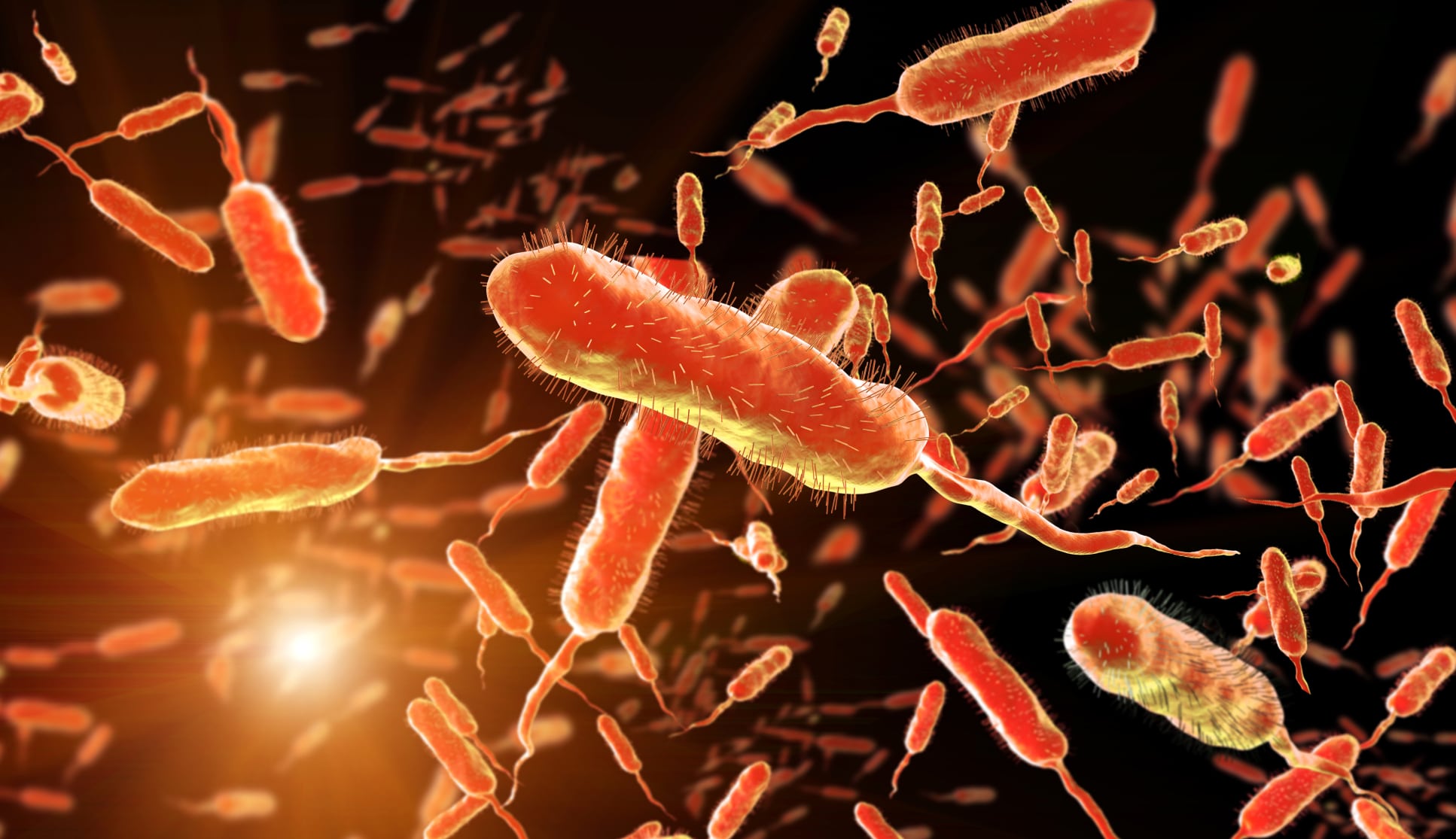
Among the most concerning of these bacteria is Vibrio, a group of organisms that thrive in warm saltwater and brackish coastal environments. Every year, health officials report hundreds of Vibrio infections in the United States, many occurring during the hottest months of the year. While some cases result in relatively mild gastrointestinal illness, others can lead to severe wound infections, bloodstream infections, hospitalization, and even death.
Public health experts have become increasingly concerned about Vibrio in recent years. As coastal waters warm and environmental conditions shift, researchers have documented Vibrio bacteria appearing in areas where they were once uncommon. Although these infections remain relatively rare compared to other foodborne illnesses, their potential severity makes them a growing concern for health officials, seafood consumers, and anyone spending time in coastal waters.
Understanding how Vibrio infections occur, who is most vulnerable, and what precautions can reduce risk can help beachgoers enjoy the summer safely while remaining aware of an often-overlooked threat.
What Is Vibrio and Why Does Summer Increase the Risk?
Vibrio refers to a family of bacteria that naturally inhabit marine and estuarine environments throughout the world. Unlike many foodborne pathogens that result from poor sanitation or contaminated processing facilities, Vibrio bacteria are a natural part of coastal ecosystems. They can be found in saltwater, brackish water, shellfish, sediment, and marine wildlife.
Several species can cause illness in humans, but the most significant are Vibrio vulnificus, Vibrio parahaemolyticus, and Vibrio cholerae. Of these, Vibrio vulnificus is often considered the most dangerous because of its ability to cause rapidly progressing wound infections and life-threatening bloodstream infections.
Water temperature plays a major role in Vibrio growth. The bacteria flourish in warmer conditions, which is why infections tend to peak between May and October. As coastal waters warm during the summer months, bacterial populations increase significantly. Areas along the Gulf Coast—including Texas, Louisiana, Mississippi, Alabama, and Florida—frequently experience conditions that are ideal for Vibrio growth.
Heavy rainfall, hurricanes, flooding, and changing salinity levels can also contribute to bacterial proliferation. Following major storms, public health agencies often monitor coastal waters closely because environmental disruptions may increase exposure risks. Researchers have also noted that unusually warm years often coincide with increased reports of Vibrio infections.
In recent decades, scientists have observed Vibrio infections occurring farther north than previously documented. Studies suggest that warming coastal waters may be expanding the geographic range where these bacteria can survive and reproduce. While researchers continue studying the relationship between climate change and Vibrio, many public health experts agree that environmental conditions are increasingly favorable for these organisms in many coastal regions.
How People Become Infected
Most Vibrio infections occur through one of two pathways: consuming contaminated seafood or exposing an open wound to contaminated water.
The seafood route is the most common. Shellfish, particularly oysters, can accumulate Vibrio bacteria because they are filter feeders. Oysters constantly draw water through their bodies as they feed, trapping microorganisms from their environment. When Vibrio levels are elevated in surrounding waters, oysters can concentrate those bacteria inside their tissues.
This creates a unique challenge because oysters contaminated with Vibrio typically appear completely normal. Unlike spoiled food, contaminated shellfish may not have an unusual odor, taste, or appearance. A person consuming raw oysters often has no way of knowing whether the shellfish contains potentially harmful bacteria.
Many seafood-related Vibrio infections involve Vibrio parahaemolyticus, which commonly causes symptoms such as diarrhea, abdominal cramps, nausea, vomiting, fever, and chills. Although most healthy individuals recover within several days, severe illness can occur in vulnerable populations.
The second route of infection involves exposure through open wounds. Many people assume a significant injury is necessary for bacteria to enter the body, but even minor cuts, scrapes, insect bites, recent tattoos, piercings, surgical incisions, or areas of irritated skin may provide an entry point.
Someone walking along the beach barefoot might scrape a foot on a shell. A fisherman could receive a small cut while handling bait or equipment. A swimmer with eczema or recently shaved skin may unknowingly expose compromised skin to contaminated water. In most cases, no infection develops. However, when Vibrio bacteria enter the body through damaged skin, the results can occasionally be devastating.
The Serious Threat of Vibrio vulnificus
Among all Vibrio species, Vibrio vulnificus receives the most attention from public health officials because of its potential severity.
Although relatively uncommon, Vibrio vulnificus infections can progress with alarming speed. In some cases, symptoms worsen dramatically within hours. The bacteria can invade surrounding tissue, destroy skin and muscle, and spread into the bloodstream.
Early symptoms often begin with redness, swelling, warmth, and pain around a wound. What initially appears to be a routine skin infection may quickly evolve into a medical emergency. Blisters can develop, tissue may become discolored, and severe pain often develops that seems disproportionate to the appearance of the wound.
Doctors sometimes describe these infections as “flesh-eating” because of the extensive tissue destruction that can occur. While Vibrio vulnificus is not technically the same as the bacteria commonly associated with necrotizing fasciitis, its effects can appear remarkably similar. Emergency surgery is frequently required to remove infected tissue and stop the spread of infection.
If the bacteria enter the bloodstream, patients can develop sepsis, a life-threatening condition that occurs when the body’s response to infection causes widespread inflammation and organ dysfunction. Blood pressure can fall rapidly, organs may begin to fail, and mortality rates rise significantly.
According to the Centers for Disease Control and Prevention, approximately one in five people with severe Vibrio vulnificus infections die, sometimes within just a few days of becoming ill. These sobering statistics explain why healthcare providers take suspected Vibrio infections extremely seriously, particularly during the summer months.
Why the Gulf Coast Faces Unique Challenges
The Gulf Coast has long been recognized as one of the primary hotspots for Vibrio activity in the United States. Warm water temperatures, extensive estuaries, abundant seafood harvesting, and heavy recreational water use combine to create ideal conditions for bacterial growth.
Texas, in particular, experiences environmental conditions that support Vibrio populations for much of the year. Along the Gulf Coast, water temperatures frequently remain elevated throughout the summer and often stay warm well into the fall. This extended warm season allows Vibrio bacteria to thrive for longer periods than in many northern coastal regions.
The popularity of raw oysters in Gulf Coast cuisine also contributes to exposure opportunities. Oysters harvested from warm coastal waters can naturally contain Vibrio bacteria despite being legally harvested and handled according to industry regulations. While seafood producers and regulators implement extensive safety measures, no testing program can completely eliminate naturally occurring Vibrio from marine environments.
Storm activity presents another challenge. Hurricanes, tropical storms, and significant rainfall events can alter coastal ecosystems in ways that temporarily increase bacterial concentrations. Floodwaters may expose individuals to contaminated water while also creating conditions favorable for bacterial growth.
For these reasons, public health agencies along the Gulf Coast routinely issue educational materials and seasonal warnings regarding Vibrio risks. The goal is not to discourage recreational water use or seafood consumption, but rather to help people make informed decisions about risk reduction.
Who Faces the Greatest Risk?
Although anyone can develop a Vibrio infection, certain individuals are significantly more likely to experience severe complications.
People with chronic liver disease are among the highest-risk groups. Conditions such as cirrhosis, hepatitis, and other liver disorders can impair the body’s ability to fight infection. Individuals with diabetes, kidney disease, cancer, iron overload disorders, or weakened immune systems also face elevated risks.
Certain medications may further increase susceptibility. Individuals taking immunosuppressive drugs following organ transplantation, autoimmune disease treatment, or cancer therapy may have a reduced ability to combat bacterial infections effectively.
For healthy individuals, a Vibrio infection may cause temporary gastrointestinal symptoms or a localized wound infection that responds to treatment. For vulnerable populations, however, the same exposure can result in bloodstream infection, sepsis, prolonged hospitalization, or death.
This is why health officials often advise high-risk individuals to avoid eating raw oysters altogether. While many people consume raw shellfish without incident, the consequences of infection can be severe enough that experts consider complete avoidance the safest strategy for those with underlying health conditions.
Recognizing Symptoms and Seeking Medical Attention
Prompt recognition is critical when dealing with potential Vibrio infections.
After consuming contaminated seafood, symptoms commonly include diarrhea, abdominal cramps, nausea, vomiting, fever, and chills. These symptoms may develop within several hours or up to a few days after exposure. While many cases resolve without complications, severe symptoms warrant medical evaluation.
Wound-related infections may initially resemble routine skin infections. Redness, swelling, tenderness, warmth, blistering, drainage, and increasing pain are common warning signs. Fever and chills often indicate that the infection may be spreading.
One particularly concerning symptom is pain that seems unusually severe relative to the appearance of the wound. Healthcare providers frequently note that rapidly worsening pain following seawater exposure should never be ignored.
Anyone who develops signs of infection after swimming in coastal waters or handling raw seafood should seek medical attention promptly, especially if they have underlying health conditions. Early diagnosis and antibiotic treatment can dramatically improve outcomes and reduce the likelihood of severe complications.
Staying Safe in the Water This Summer
Fortunately, reducing Vibrio risk is relatively straightforward.
The most effective protection against seafood-related infections is thoroughly cooking shellfish. Proper cooking kills Vibrio bacteria and significantly reduces the risk of illness. Individuals with chronic health conditions should strongly consider avoiding raw oysters and other raw shellfish entirely.
Beachgoers should avoid exposing open wounds to saltwater whenever possible. Waterproof bandages can provide additional protection for minor cuts and scrapes, although staying out of the water until wounds heal remains the safest option.
Anyone who sustains a cut while swimming, fishing, crabbing, or boating should clean the wound thoroughly with soap and clean water as soon as possible. Monitoring the area for signs of infection during the following days is also important.
Seafood handlers should wash their hands thoroughly after contact with raw shellfish and disinfect surfaces used during food preparation. Preventing cross-contamination in the kitchen can help reduce exposure risks.
Most importantly, individuals should trust their instincts if something feels wrong. Rapidly worsening symptoms, severe pain, fever, or signs of spreading infection should always prompt medical evaluation.
Summer beach trips are a cherished tradition for many families, and the vast majority of people who visit coastal waters will never encounter a serious Vibrio infection. Nevertheless, awareness remains one of the most effective preventive tools available. As public health officials continue monitoring changing coastal conditions and researchers learn more about how environmental factors influence Vibrio populations, understanding these bacteria is becoming increasingly important. A little caution, combined with a basic understanding of how infections occur, can go a long way toward ensuring that a day at the beach remains a pleasant summer memory rather than the beginning of a medical emergency.
