


Every summer, public health officials prepare for an increase in foodborne illnesses. Warmer temperatures create ideal conditions for bacterial growth, backyard cookouts become more frequent, and fresh fruits and vegetables appear in abundance at grocery stores and farmers markets across the country. While familiar pathogens like Salmonella, E. coli, and Listeria often dominate headlines, another foodborne threat quietly returns almost every year: Cyclospora.
Unlike many bacterial foodborne illnesses, Cyclospora outbreaks often unfold slowly. Cases may appear weeks apart, involve multiple states, and leave investigators searching for a common source long after the first illnesses are reported. In many instances, there is no immediate recall, no obvious contaminated product, and no single restaurant or grocery chain to blame.
That is precisely what makes Cyclospora one of the most challenging foodborne pathogens facing public health officials today.
As health agencies continue monitoring cases across the United States this summer, consumers are once again reminded that not every outbreak begins with a dramatic recall. Sometimes, the greatest challenge is identifying where contamination occurred before more people become sick.
A Different Kind of Foodborne Illness
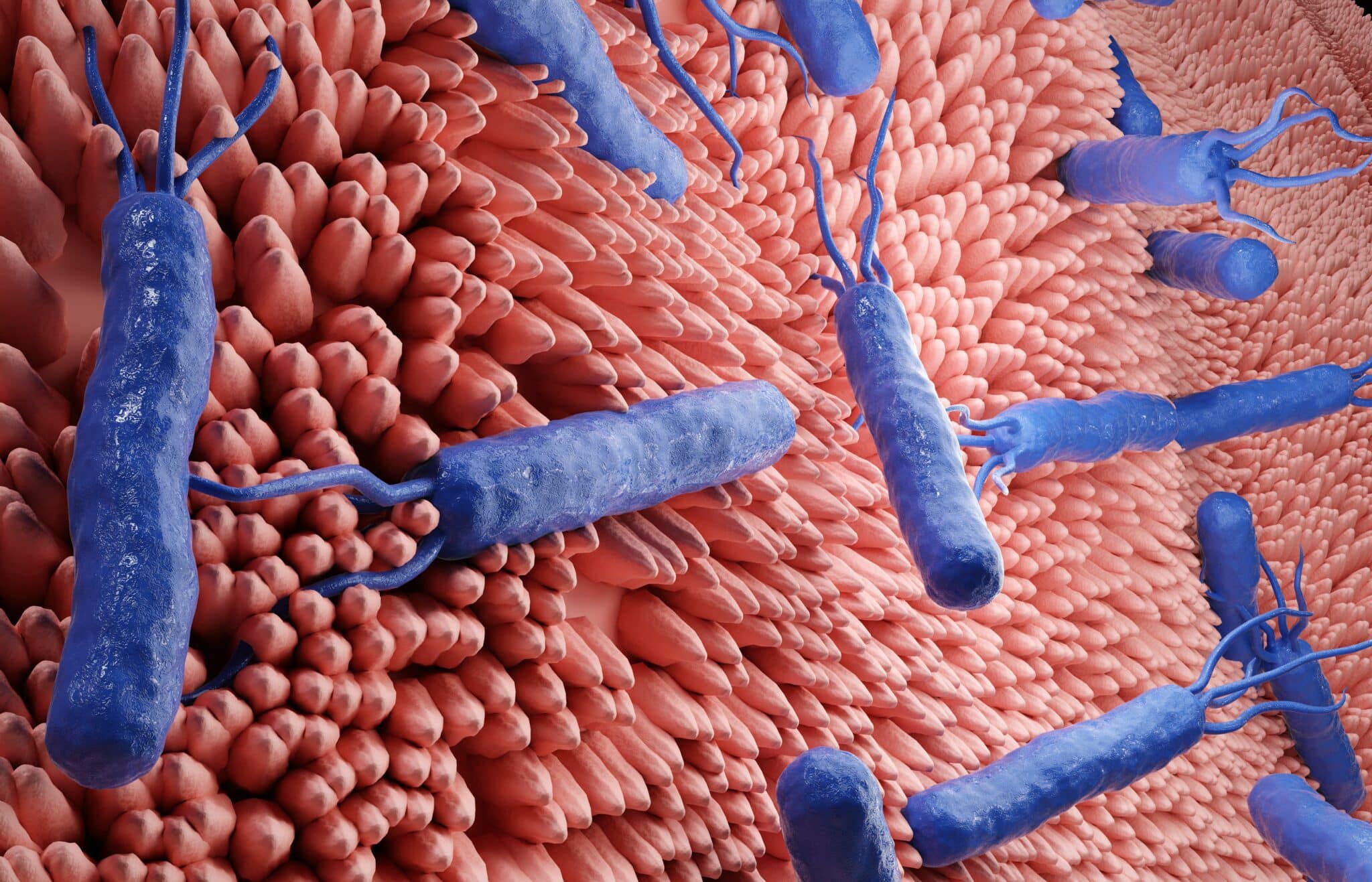
Cyclospora is not a bacterium or a virus. It is a microscopic parasite known as Cyclospora cayetanensis, capable of causing an intestinal illness called cyclosporiasis. Although relatively uncommon compared to Salmonella or norovirus, Cyclospora has become an increasingly recognized cause of seasonal foodborne outbreaks in the United States.
One reason the parasite receives less public attention is because its outbreaks often develop gradually rather than explosively. Instead of hundreds of illnesses appearing overnight, health officials may identify small clusters of infections spread across several weeks and multiple states.
By the time investigators realize patients share a common exposure, many have difficulty remembering exactly what they ate.
Unlike many foodborne bacteria, Cyclospora cannot spread directly from one person to another immediately after illness begins. The parasite must first mature in the environment before becoming infectious, making contaminated food or water the primary route of transmission.
That distinction significantly influences how investigators approach every suspected outbreak.
Why Summer Brings Higher Risk
Cyclospora cases consistently increase during the warmer months, typically beginning in late spring and continuing through the summer.
The seasonal pattern is not accidental.
Fresh produce consumption increases significantly during this time of year. Salads become more common, fresh herbs appear in seasonal recipes, and fruits such as berries are widely consumed. Many of these foods are eaten raw, meaning there is no cooking step capable of reducing contamination before they reach consumers.
Historically, Cyclospora outbreaks have been associated with products including:
- Fresh cilantro
- Basil
- Parsley
- Salad mixes
- Lettuce
- Raspberries
- Blackberries
- Snow peas
- Sugar snap peas
Unlike pathogens commonly associated with undercooked meat or poultry, Cyclospora is primarily linked to fresh produce because contamination often occurs before products ever reach grocery shelves.
If irrigation water, agricultural practices, or food handling processes introduce the parasite during production, consumers may have no way of detecting contamination before eating the food.
The produce may appear perfectly fresh.
Why Finding the Source Is So Difficult
One of the biggest frustrations for investigators—and for consumers—is that Cyclospora outbreaks frequently remain unsolved for weeks or even months.
Unlike outbreaks involving a single restaurant or packaged product, fresh produce follows an incredibly complex journey before reaching consumers.
A single salad may contain lettuce from one farm, cilantro from another country, onions from another supplier, and tomatoes grown hundreds of miles away.
When patients begin recalling what they ate, many remember eating “a salad.” Few remember every ingredient. Even fewer remember where each ingredient originated. That makes traceback investigations extraordinarily complicated.
Investigators must interview patients, compare shopping histories, identify restaurants visited, review supplier invoices, and trace produce through multiple distributors before narrowing potential sources. Sometimes they succeed. Sometimes the evidence simply arrives too late.
By the time illnesses are recognized as part of a larger outbreak, the contaminated produce has often already been consumed or discarded.
Without leftover food available for testing, investigators must rely almost entirely on epidemiology and supply chain records.
Symptoms Can Last Much Longer Than Many People Expect
Cyclospora infection rarely begins immediately after exposure.
Most people develop symptoms approximately one week after consuming contaminated food, although the incubation period can vary.
Common symptoms include:
- Profuse watery diarrhea
- Loss of appetite
- Fatigue
- Stomach cramps
- Bloating
- Nausea
- Weight loss
- Low-grade fever
For many patients, diarrhea becomes the most debilitating symptom.
Unlike some foodborne illnesses that resolve within several days, untreated Cyclospora infections can persist for weeks. Some individuals experience symptoms that improve only to return days later, creating cycles of illness that can significantly interfere with work, travel, and daily life.
Because symptoms often resemble other gastrointestinal illnesses, many patients are never tested specifically for Cyclospora. Routine stool cultures used to identify bacterial infections do not always detect parasites, meaning healthcare providers frequently must order specialized laboratory testing when Cyclospora is suspected.
That delay in diagnosis can also delay public health investigations, making it more difficult to identify common exposures before memories fade.
More Than Just Another Summer Outbreak
Although Cyclospora illnesses rarely generate the same headlines as nationwide recalls involving Salmonella or E. coli, they present a unique challenge for food safety professionals.
The outbreaks often involve foods that consumers generally consider among the healthiest items in their diets—fresh vegetables, herbs, and fruit.
Unlike foods that can be thoroughly cooked before consumption, many of these products are eaten exactly as they are purchased.
Even careful consumers who wash produce before eating it may not completely eliminate the parasite. Washing remains an important food safety practice because it removes dirt and reduces some contamination, but it should not be viewed as a guarantee against every foodborne pathogen.
As investigators continue monitoring seasonal Cyclospora cases this summer, the absence of a major recall should not be mistaken for the absence of risk. Some outbreaks are identified only after dozens of illnesses have already occurred, while others never lead to a single recalled product despite extensive investigations.
For public health officials, every confirmed case represents another piece of a much larger puzzle—one that may ultimately reveal patterns capable of preventing future illnesses.
Why Cyclospora Continues to Challenge Public Health Officials
Unlike many foodborne pathogens, Cyclospora presents investigators with a race against time. Every day that passes between a person’s illness and the start of an investigation makes it more difficult to identify the contaminated food responsible for the outbreak.
When someone develops symptoms, they may not immediately seek medical care. Even if they do, healthcare providers often first suspect more common causes of gastroenteritis, such as norovirus or bacterial food poisoning. By the time specialized laboratory testing identifies Cyclospora, the patient may be trying to remember meals eaten one or even two weeks earlier.
That delay creates a significant obstacle for outbreak investigators.
Public health officials must interview patients, compare food histories, identify common restaurants and grocery stores, analyze supplier records, and determine whether seemingly unrelated illnesses actually share the same source. Fresh produce complicates the process even further because a single shipment may pass through multiple distributors before reaching consumers across several states.
Fortunately, outbreak investigations have become increasingly sophisticated. State health departments work alongside the Centers for Disease Control and Prevention (CDC) and the U.S. Food and Drug Administration (FDA) to compare illness reports, laboratory findings, and food distribution records. Modern molecular testing and improved surveillance systems allow investigators to identify connections that would have been nearly impossible to detect just a decade ago.
Still, identifying the exact source of contamination remains one of the most difficult tasks in food safety.
Prevention Begins Long Before Food Reaches the Table
One of the most important lessons from recurring Cyclospora outbreaks is that prevention begins well before produce reaches consumers.
Unlike pathogens associated with undercooked meat, Cyclospora contamination generally occurs during production, harvesting, or processing. Because the parasite originates from human waste, contamination can occur if produce comes into contact with contaminated irrigation water, untreated sewage, or poor sanitation during harvesting and packing.
For growers and food producers, that means maintaining strict sanitation practices throughout the production process. Agricultural water quality, worker hygiene, proper restroom facilities, and safe handling procedures all play critical roles in reducing contamination risks.
Over the past decade, the FDA has increased its emphasis on produce safety through the Food Safety Modernization Act (FSMA), shifting federal food safety policy from responding to outbreaks after they occur to preventing contamination before products enter commerce.
The agency’s Produce Safety Rule established science-based standards for growing, harvesting, packing, and holding fruits and vegetables commonly consumed raw. These requirements focus on reducing contamination risks while recognizing that fresh produce presents unique food safety challenges compared to processed foods.
Although no regulatory system can eliminate every outbreak, preventive measures have become an increasingly important part of protecting the nation’s food supply.
What Consumers Can and Cannot Do
Consumers often ask whether washing produce is enough to prevent Cyclospora infection.
The answer is complicated.
Rinsing fruits and vegetables under running water remains an important food safety practice. Washing can remove dirt, debris, and some microorganisms that may be present on the surface of produce. However, unlike pesticides or visible soil, microscopic parasites cannot always be completely removed through washing alone.
Consumers should also avoid using soap, bleach, or household cleaning products on fresh produce, as these products are not intended for consumption and may create additional health risks.
Instead, experts recommend:
- Washing hands thoroughly before handling fresh produce.
- Rinsing fruits and vegetables under clean running water.
- Using separate cutting boards for produce and raw meat.
- Refrigerating perishable produce promptly.
- Following recall notices issued by public health officials.
- Seeking medical care if severe or prolonged diarrhea develops after consuming fresh produce.
While these practices cannot eliminate every risk, they significantly reduce opportunities for contamination during food preparation at home.
Why Seasonal Awareness Matters
Every confirmed Cyclospora outbreak provides valuable information about how contamination occurs and how future illnesses might be prevented.
Researchers continue studying agricultural practices, environmental factors, food distribution systems, and laboratory detection methods to better understand why outbreaks continue occurring despite improvements in food safety oversight.
Public awareness also plays an important role.
When consumers recognize the symptoms of foodborne illness and seek timely medical care, health officials receive the information needed to identify outbreaks more quickly. Earlier reporting allows investigators to interview patients while food histories remain fresh, increasing the likelihood of identifying a common source before additional illnesses occur.
For healthcare providers, considering Cyclospora when evaluating patients with prolonged diarrhea during the summer months can also accelerate diagnosis and improve outbreak detection.
Looking Ahead
As another summer unfolds, Cyclospora remains a reminder that food safety challenges continue evolving alongside modern agriculture and increasingly complex food supply chains.
The fresh produce that fills grocery store shelves each summer offers tremendous nutritional benefits, but it also underscores the importance of robust food safety systems capable of identifying contamination before illnesses occur.
Although investigators may not solve every outbreak, each investigation contributes to a broader understanding of how foodborne pathogens spread and where preventive measures can be strengthened. Those lessons help shape future regulations, improve agricultural practices, and enhance surveillance systems designed to protect consumers nationwide.
For most Americans, purchasing fresh fruits and vegetables remains an important part of maintaining a healthy diet. The goal of public health officials is not to discourage produce consumption, but to ensure that the foods people rely on every day are grown, processed, and distributed as safely as possible.
Cyclospora may not generate the same headlines as larger nationwide recalls, but its recurring appearance each summer illustrates why continued investment in food safety research, surveillance, and prevention remains essential. As investigators continue monitoring seasonal illnesses and tracing potential sources, one message remains clear: protecting public health depends on identifying problems early, responding quickly, and continually improving the systems that keep the nation’s food supply safe.
