

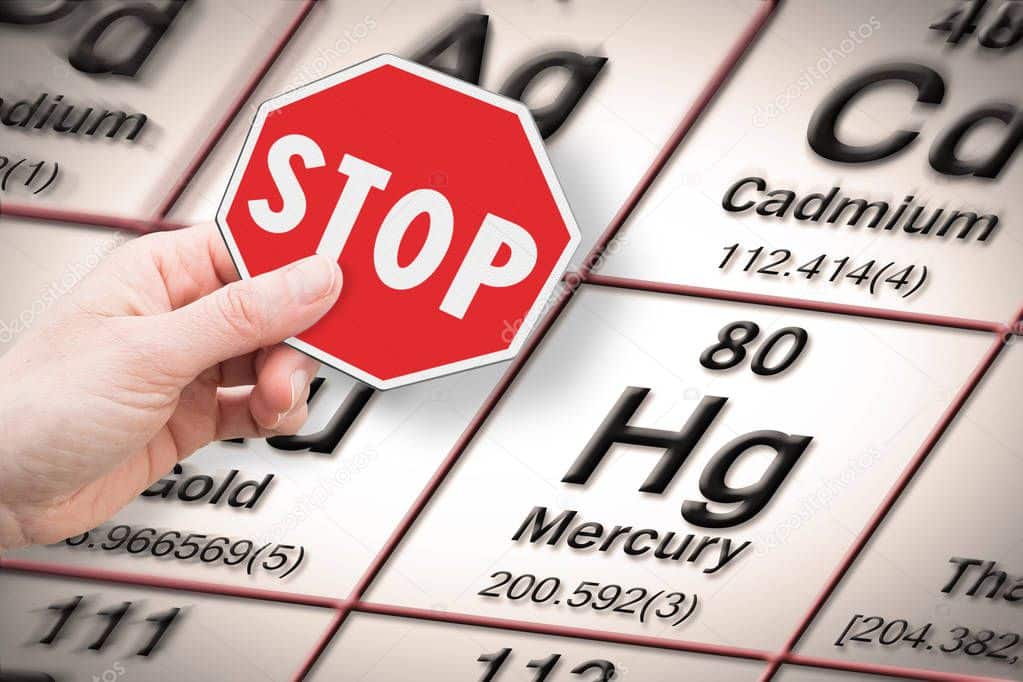

Chemical Contaminants in Food: The Hidden Dangers of Heavy Metals
Food is a fundamental necessity of life, but the safety of what we eat can be compromised by invisible threats. Among the most insidious are chemical contaminants—specifically heavy metals like lead, mercury, arsenic, and cadmium. According to the national food poisoning lawyer, Tony Coveny, these toxic elements can make their way into our food supply through soil, water, industrial pollution, and certain agricultural practices. Over time, chronic exposure to heavy metals can lead to serious health effects, ranging from neurological damage to organ failure. Understanding the sources, health risks, and ways to reduce exposure is essential to safeguarding public health.
What Are Heavy Metals?
Heavy metals are naturally occurring elements with high atomic weights and densities. While some, like zinc and iron, are essential in trace amounts for human health, others—including lead, arsenic, cadmium, and mercury—are toxic even in small quantities. These metals do not degrade over time and can accumulate in biological tissues, meaning that repeated or prolonged exposure increases the risk of adverse health effects.
How Heavy Metals Enter the Food Supply
Heavy metals can enter the food chain through several routes. One primary method is contaminated soil. Industrial activity, mining, improper waste disposal, and the use of certain fertilizers and pesticides can cause heavy metals to accumulate in farmland soil. Crops grown in such soil absorb these contaminants through their roots.
Water is another major conduit. Arsenic, for example, is commonly found in groundwater in parts of South Asia and can contaminate rice paddies. Mercury pollution, largely from coal-burning power plants, settles in oceans and lakes, where it is converted into methylmercury—a highly toxic compound that accumulates in fish and shellfish.
Food processing and packaging can also introduce heavy metals. For instance, older machinery or solder used in food cans may leach lead or tin into food. Even cookware and ceramic dishes with lead-based glazes can be a risk if improperly manufactured.
Foods Commonly Contaminated
Certain foods are more likely to contain heavy metals than others. Rice has a known risk of arsenic contamination, particularly in regions with arsenic-rich groundwater. Leafy vegetables and root crops such as spinach, lettuce, and carrots can absorb metals like cadmium and lead from soil.
Seafood is another high-risk category. Predatory fish such as tuna, swordfish, and shark are particularly susceptible to mercury accumulation due to their position at the top of the aquatic food chain. Shellfish can also harbor various contaminants depending on their harvesting environments.
Even baby food has not escaped scrutiny. Investigations in recent years have revealed that many commercial baby food products contain detectable levels of arsenic, lead, and cadmium, raising concerns about long-term cognitive and developmental effects in children.
Health Risks of Heavy Metal Exposure
The health effects of heavy metal exposure vary depending on the metal, level of exposure, and duration. Lead is notorious for its neurotoxic effects, particularly in children. It can impair cognitive development, lower IQ, and cause behavioral issues. Even low-level exposure has been linked to reduced academic performance.
Mercury, particularly methylmercury, affects the nervous system and is especially dangerous for pregnant women, as it can harm fetal brain development. Arsenic is a known carcinogen and has been associated with skin lesions, cardiovascular disease, and diabetes. Cadmium accumulates in the kidneys and can lead to renal failure and bone demineralization.
Since these metals accumulate in the body over time, chronic low-level exposure is a significant concern. Vulnerable populations, including infants, pregnant women, and individuals with compromised health, face the greatest risks.
Reducing Exposure and Moving Toward Safer Food
Minimizing exposure to heavy metals in food requires both individual and systemic action. At the consumer level, diversifying one’s diet can reduce the likelihood of excessive intake from a single source. For example, alternating between different grains (quinoa, oats, barley) instead of relying solely on rice can lower arsenic exposure. Proper food preparation methods, such as rinsing rice thoroughly and cooking it in excess water, may also reduce metal content.
Choosing sustainably sourced seafood with lower mercury levels, such as salmon or sardines, over high-mercury fish is another precaution. Reading labels, staying informed about product recalls, and avoiding the use of old ceramic cookware with questionable glazes can further reduce risk.
On a broader scale, stricter regulatory oversight is necessary. Government agencies like the U.S. Food and Drug Administration (FDA) and international bodies such as the World Health Organization (WHO) set limits for permissible levels of heavy metals in food. However, enforcement varies by country, and ongoing surveillance and transparency are essential.
Final Note
Heavy metals are hidden dangers in our food supply that can quietly undermine human health over time. While they are nearly impossible to eliminate entirely from the environment, heightened awareness, safer agricultural practices, and better regulatory control can help mitigate their impact. By staying informed and making conscious food choices, individuals can play an active role in protecting themselves and their families from the long-term harms of chemical contaminants in food.
