

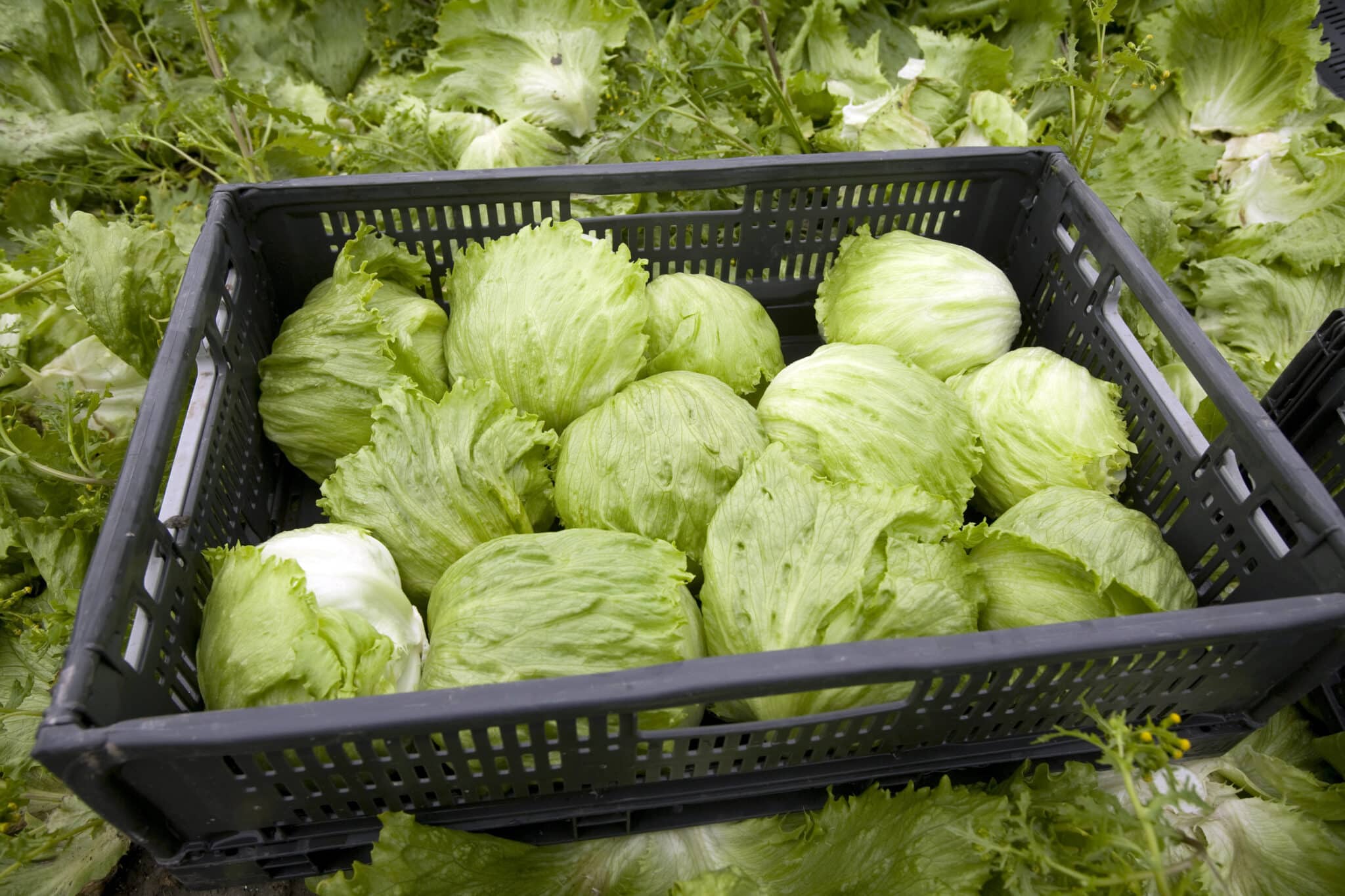

Federal health authorities have declared an end to the largest recorded outbreak of cyclosporiasis in United States history, a months-long crisis linked to contaminated iceberg lettuce from central Mexico that sickened thousands across more than 30 states, hospitalized hundreds, and caused the first two deaths ever attributed to the parasite in a U.S. outbreak. While the active outbreak has been declared over, the U.S. Food & Drug Administration’s (FDA) investigation into the root cause and the role of supplier Taylor Farms de Mexico remains ongoing, with federal officials continuing onsite inspections and sampling at the company’s Guanajuato processing facility.
Outbreak Scope and Case Counts
On September 11, 2026, the Centers for Disease Control and Prevention (CDC) officially declared the multistate outbreak linked to iceberg lettuce from Taylor Farms de Mexico to be over. The final tally for the lettuce-linked outbreak stands at 12,883 cases, 570 hospitalizations, and two deaths across 21 states. The CDC’s most recent investigation update, dated August 27, reported 11,458 illnesses from 20 states, a figure that was subsequently revised upward as additional cases were confirmed.
The broader impact of cyclosporiasis across the United States this year was far greater than the single lettuce-linked outbreak. As of September 8, the CDC reported 19,595 laboratory-confirmed cases of cyclosporiasis nationwide since May 1, a number 16-times greater than the same period in 2025. More than 12,000 of those cases were attributed to the Taylor Farms iceberg lettuce outbreak. Nationwide, 1,043 hospitalizations were recorded overall.
Michigan remained the hardest-hit state throughout the outbreak. By September, the Michigan Department of Health and Human Services had recorded more than 14,700 cases and 366 hospitalizations within the state, figures that significantly exceed the CDC’s national case count due to differences in reporting timelines and the inclusion of probable cases. Ohio was also heavily impacted, with thousands of cases reported across the state’s northwestern counties.
The CDC has emphasized that the true number of people sickened in this outbreak is likely higher than reported figures. Many individuals recover without seeking medical care and are never tested for Cyclospora, and the reporting process can take up to six weeks to confirm whether a sick person is part of a specific outbreak.
First Confirmed Deaths in U.S. Cyclospora History
On August 3, 2026, Michigan health officials announced that two residents had died from cyclosporiasis, marking the first deaths ever confirmed in a U.S. outbreak of the parasite. Both individuals had underlying health conditions and died from dehydration complications related to the infection. The two deaths were reported in Michigan and were the only fatalities linked to the lettuce outbreak.
Product Recall and Distribution
The outbreak prompted one of the largest fresh produce recalls in recent U.S. history. On July 17, 2026, Taylor Farms de Mexico announced a voluntary recall of all iceberg lettuce sourced from central Mexico. The recall included 25 shredded lettuce and salad mix products sold under eight different brand codes. Recalled retail products included Marketside-brand items sold at Walmart, described as “Iceberg Salad 12-oz or 24-oz” and “Shredded Lettuce 8-oz or 16-oz” with “Best if Used By” dates ranging from July 18 to August 3, 2026.
Distribution of recalled iceberg lettuce products from Taylor Fresh Foods was confirmed in 31 states: Alabama, Arkansas, Connecticut, Florida, Georgia, Iowa, Illinois, Indiana, Kansas, Kentucky, Louisiana, Massachusetts, Maine, Maryland, Michigan, Missouri, Mississippi, North Carolina, Nebraska, New Hampshire, New Jersey, New York, Ohio, Oklahoma, Pennsylvania, South Carolina, Tennessee, Texas, Virginia, Wisconsin, and West Virginia. Based on additional information, recalled product may have been further distributed to the District of Columbia, Delaware, North Dakota, Puerto Rico, Rhode Island, South Dakota, Vermont, and Washington.
Recalled Marketside-brand products were sold at select Walmart stores in Alabama, Arkansas, Florida, Georgia, Indiana, Kansas, Kentucky, Louisiana, Missouri, Mississippi, Oklahoma, Tennessee, Texas, Virginia, and West Virginia.
Taco Bell, which served the affected lettuce at its restaurants, said in a press release that the company had stopped using lettuce from Taylor Farms de Mexico as of July 17, 2026. The best-by dates for the recalled products have passed, and the FDA has stated it is confident that all recalled iceberg lettuce related to this specific Cyclospora outbreak is off the market.
The scale of the recall was unprecedented for a Cyclospora-related event. At least 3.1 million pounds of lettuce linked to the farm were recalled, compared to the largest prior Cyclospora recall of nearly 31,000 pounds of parsley in September 2025.
FDA Investigation and Onsite Inspection
The FDA and CDC, in collaboration with state and local partners, first announced they were investigating a multistate outbreak of Cyclospora illnesses linked to iceberg lettuce on July 16, 2026. The following day, traceback investigations converged on Taylor Farms de Mexico as the single supplier of the contaminated lettuce, and the company initiated a voluntary recall on July 18.
On August 13, 2026, the FDA announced it had initiated onsite inspections and sample collection at Taylor Farms de Mexico’s facility in Guanajuato, Mexico, located approximately 185 miles northwest of Mexico City, in coordination with Mexican officials. The inspection came nearly a month after the company first removed the lettuce from the market. Donald Prater, the FDA’s acting deputy commissioner for food, confirmed that inspectors were on-site at the processing facility and planned to visit the fields next. Prater stated that agricultural water is often the cause of cyclospora contamination and that the FDA is “looking carefully at the available data to be able to understand what could have happened“.
Prater noted that the lettuce that sickened people was probably grown and potentially contaminated weeks before any illnesses were detected, adding that the parasite’s long incubation time contributed to the delay. The FDA gathered information for tracing the product back to its source and examined historical weather patterns and satellite imagery before sending investigators into the field.
The FDA has stated its investigation into the outbreak linked to Taylor Farms de Mexico continues, as well as investigations into other Cyclospora outbreak clusters experienced during the summer of 2026. During the week of September 8, senior FDA and Mexican public health and agricultural officials met to encourage continued engagement on a prevention-focused framework to address outbreaks linked to produce grown in Mexico. The FDA is also sending a letter to industry calling for collaboration to address Cyclospora contamination throughout the supply chain and plans to incorporate lessons learned into its Cyclospora Prevention, Response and Research Action Plan.
False Positive Test Result
The investigation was complicated by a false positive test result in late July. On July 18, the FDA reported that a Taylor Farms lettuce sample had tested positive for Cyclospora. The following day, the agency stated that the test “should be considered a false positive” after laboratory experts re-reviewed the sample results and concluded that the finding did not represent true amplification. As of July 19, 2026, the FDA confirmed there were no confirmed positive sample results for product testing for Cyclospora.
The FDA notified Taylor Farms of the error, and the company stated it had been informed that the FDA made a mistake. “To be clear, at this moment, FDA has not identified a single positive product test result for cyclospora,” Taylor Farms said in a statement.
Despite the false positive, the FDA has maintained that “overwhelming epidemiological evidence” points to shredded iceberg lettuce supplied by Taylor Farms as the source of the outbreak. The false positive does not change the basis for the FDA’s ongoing outbreak investigation or the data supporting the Taylor Farms recall. Mexican officials conducted a sanitary inspection and visit at Taylor Farms’ processing facility from July 18 to July 20, according to the Mexican government. Lettuce and water samples collected tested negative for the parasite and other contaminants.
Legal Developments
More than a dozen lawsuits have been filed against Taco Bell and Taylor Farms by individuals who contracted cyclosporiasis after eating at the restaurant chain.
The national food safety law firm Ron Simon & Associates filed the first lawsuit in the country over this outbreak on July 17, on behalf of David Ott, a 27-year Army veteran who was hospitalized in Ohio after eating Taco Supremes from a Youngstown Taco Bell. The suit named Taco Bell Corp., franchisee Charter Foods, Inc., and Taylor Fresh Foods, Inc. as defendants.
The litigation is ongoing, with Taylor Farms and Taco Bell having retained legal counsel to defend against the claims.
Political Scrutiny and Congressional Inquiries
The outbreak drew significant political scrutiny, with congressional Democrats calling for transparency from both Taylor Farms and federal health agencies.
On July 27, U.S. Representative Robert Garcia, Democratic Ranking Member on the House Committee on Oversight and Government Reform, sent a letter to Taylor Farms CEO Bruce Taylor questioning whether the company used its political influence to affect the FDA’s investigation. Garcia wrote that “evidence points to Taylor Farms products as a source of the outbreak, but reports indicate that your company may have attempted to influence the ongoing Food and Drug Administration investigation into the matter, obfuscate Taylor Farms’ role in a public health crisis, and mislead consumers trying to keep their families safe“.
Garcia noted that Taylor Farms had donated $1 million to President Trump’s super PAC in 2025 and more than $2 million to PACs tied to the president and other Republicans. He also referenced a private meeting between Taylor Farms executives and officials from the White House and FDA on the evening of July 16 “to distance the company from the outbreak and cast doubt on the officials’ conclusion”.
Senator Elizabeth Warren, a Massachusetts Democrat, sent a formal inquiry to Health and Human Services Secretary Robert F. Kennedy Jr., questioning whether corporate political contributions compromised public safety and demanding copies of all communications between federal health agencies and Taylor Farms by August 27. Kennedy had previously stated that the outbreak was “under control,” a characterization that was questioned by Garcia and other lawmakers as cases continued to rise.
Congressman Shri Thanedar of Michigan also led a letter signed by several Democratic colleagues urging greater transparency from the FDA and CDC regarding the surge in cyclosporiasis cases. The letter called on the agencies to improve public communication and to invest in the Cyclospora Prevention, Response, and Research Action Plan to support research on prevention, detection, treatment, and improved surveillance.
Taylor Farms’ History of Food Safety Issues
Taylor Farms, one of North America’s largest produce suppliers, has been connected to several previous food safety incidents. The company was linked to a 2013 Cyclospora outbreak that spread across multiple states and infected hundreds of people. In 2024, sliced onions supplied by Taylor Farms and served on McDonald’s Quarter Pounders were contaminated with E. coli, resulting in one death and at least 100 illnesses. This pattern of recurring food safety failures has raised concerns among consumer advocates and lawmakers about the adequacy of the company’s food safety protocols and the effectiveness of regulatory oversight.
Public Health Recommendations
The FDA advises consumers, restaurants, and retailers who purchased or received recalled iceberg lettuce from Taylor Farms de Mexico to discard it immediately. Recalled products should no longer be available for sale, as the best-by dates have passed.
Individuals experiencing symptoms consistent with cyclosporiasis are advised to contact their healthcare provider and specifically request testing for Cyclospora, as routine stool tests do not always screen for the parasite. The infection is treatable with antibiotics, though proper diagnosis is required.
While washing produce thoroughly under running water is recommended, washing alone cannot guarantee Cyclospora removal. Cooking produce to a temperature of at least 158°F (70°C) can kill the parasite. Public health officials also recommend washing hands with soap and water before and after preparing raw fruits and vegetables.
Status of Investigation
The FDA declared the multistate outbreak linked to iceberg lettuce over on September 11, 2026. The FDA’s investigation of the outbreak associated with Taylor Farms de Mexico continues, as well as investigations into other Cyclospora outbreak clusters experienced during the summer of 2026. The FDA has committed to sharing its findings and plans to use those findings to inform future outbreak response and prevention efforts under the Food Safety Partnership between the United States and Mexico.
While the lettuce-linked outbreak has ended, the CDC has emphasized that the risk for cyclosporiasis from other sources remains. The agency noted that past outbreaks have been linked to lettuce, raspberries, basil, cilantro, and snow peas, and that the CDC considers cyclosporiasis “season” to be May through August. As the 2026 season winds down, federal and state health officials are continuing to monitor for new cases and to investigate the remaining Cyclospora clusters that emerged during the summer.
