


Updated September 9, 2026
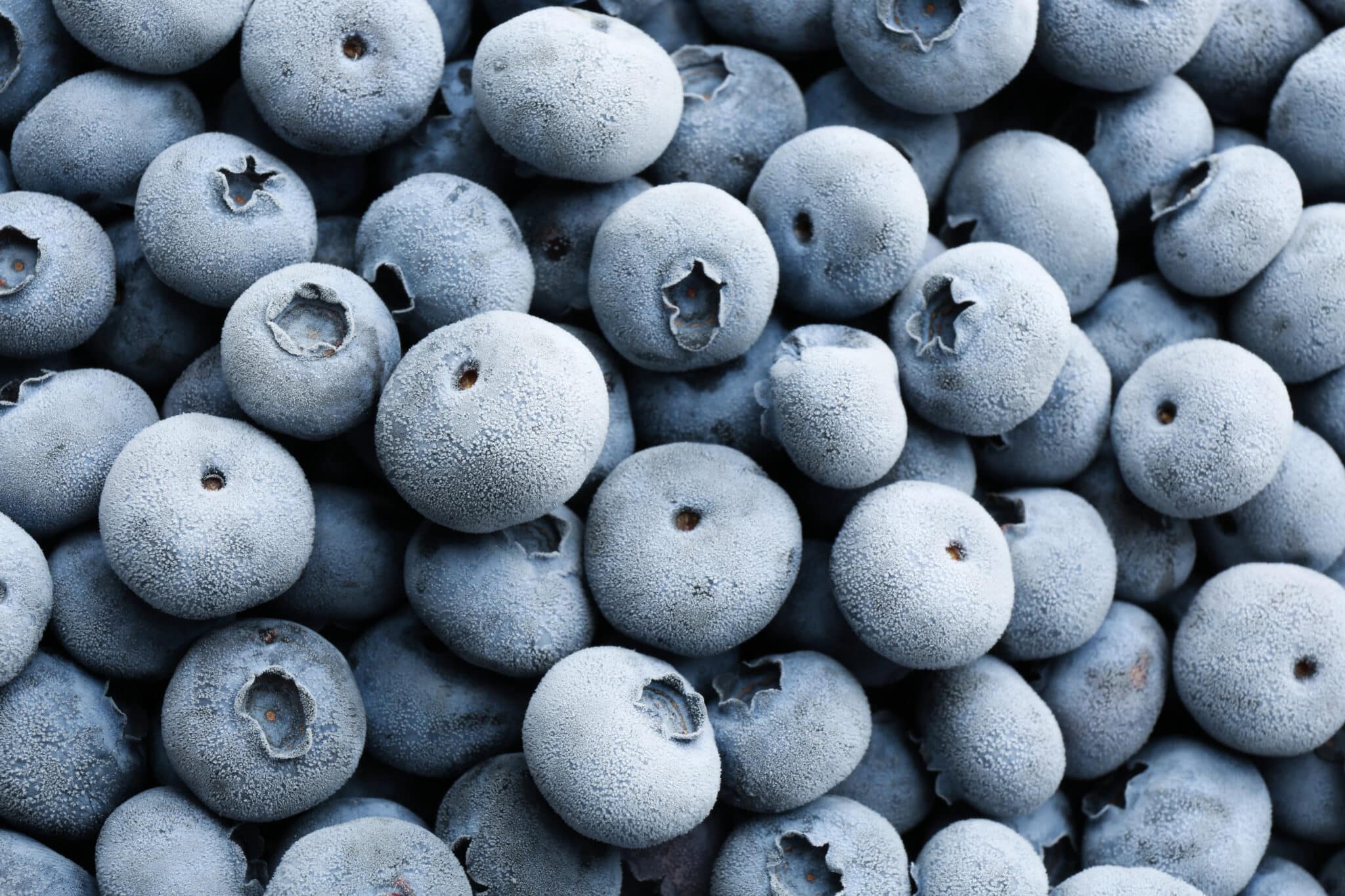
Frozen fruit occupies a comfortable place in most American kitchens. It sits in the freezer for months, gets tossed into smoothies and oatmeal without a second thought, and carries an aura of safety that fresh produce does not. A multistate outbreak of *E. coli* infections traced to frozen organic blueberries sold at Publix supermarkets is a reminder that the freezer is not a sterilizer, and that a bag of berries can carry a dangerous pathogen from a farm in another hemisphere directly into a breakfast bowl.
Why Frozen Berries Are a Recurring Problem
Freezing halts bacterial growth, but it does not kill most bacteria or viruses. Pathogens that land on fruit in the field or in the packing plant can survive months in a commercial freezer and remain infectious the moment the product thaws. Berries are especially vulnerable because they are typically hand-picked, have irregular surfaces that are hard to wash, and are almost always eaten raw. Frozen berries have been linked to hepatitis A and norovirus outbreaks in the United States, Europe, and Australia over the past two decades, and *Listeria* has turned up in frozen fruit recalls as well. What makes the 2026 Publix case notable is the pathogen involved: a Shiga toxin-producing strain of *E. coli*, the same family of bacteria more commonly associated with undercooked ground beef and leafy greens.
The Outbreak Emerges in Florida
The first signal came from state-level disease surveillance. On July 1, 2026, [the Florida Department of Health notified CDC about a cluster of *E. coli* O145 illnesses it had been investigating](https://www.fda.gov/food/outbreaks-foodborne-illness/outbreak-investigation-e-coli-o145h28-frozen-blueberries-july-2026). Interviews with sick patients pointed toward a specific food: [frozen GreenWise-brand organic blueberries sold at Publix emerged as the leading item of interest](https://www.fda.gov/food/outbreaks-foodborne-illness/outbreak-investigation-e-coli-o145h28-frozen-blueberries-july-2026). GreenWise is Publix’s in-house organic line.
Publix moved quickly once Florida shared its findings. According to the FDA, [the chain immediately placed an internal stop-sale on the frozen GreenWise organic blueberries at its stores](https://www.fda.gov/food/outbreaks-foodborne-illness/outbreak-investigation-e-coli-o145h28-frozen-blueberries-july-2026), pulling the product before any formal recall had been announced.
The First Recall: One Lot, One Supplier
The blueberries did not come from Florida, or from anywhere in the United States. They were imported from Chile. On July 3, 2026, [Frutas y Hortalizas del Sur S.A. of San Carlos, Chile, recalled a single lot of frozen GreenWise organic blueberries in 10-ounce bags](https://www.fda.gov/food/outbreaks-foodborne-illness/outbreak-investigation-e-coli-o145h28-frozen-blueberries-july-2026). The affected product carried [lot code 60401, printed on the package as 6 040 01, with a best-by date of February 9, 2028](https://www.fda.gov/food/outbreaks-foodborne-illness/outbreak-investigation-e-coli-o145h28-frozen-blueberries-july-2026).
The recalled lot had been [shipped to Publix stores in eight states: Alabama, Florida, Georgia, Kentucky, North Carolina, South Carolina, Tennessee, and Virginia](https://www.fda.gov/food/outbreaks-foodborne-illness/outbreak-investigation-e-coli-o145h28-frozen-blueberries-july-2026). Consumer Reports noted that [the Chilean firm launched the recall after receiving reports of digestive illnesses among people who had eaten the berries](https://www.consumerreports.org/health/food-recalls/frozen-blueberries-e-coli-publix-a1312287969/).
When the FDA published its first outbreak advisory on July 6, [12 people in two states had been infected with the outbreak strain, with illness onsets between May 11 and June 5, 2026](https://www.fda.gov/food/outbreaks-foodborne-illness/outbreak-investigation-e-coli-o145h28-frozen-blueberries-july-2026). The epidemiology was already suggestive: [seven of nine patients interviewed reported eating frozen blueberries, and five specifically named GreenWise organic frozen blueberries from Publix](https://www.fda.gov/food/outbreaks-foodborne-illness/outbreak-investigation-e-coli-o145h28-frozen-blueberries-july-2026). Four people had been hospitalized at that point.
The Pathogen in this Outbreak: E. coli O145:H28
The strain identified is [*E. coli* O145:H28, a Shiga toxin-producing *E. coli*, or STEC](https://www.fda.gov/safety/recalls-market-withdrawals-safety-alerts/publix-recalls-all-lots-greenwise-organic-frozen-blueberries-and-whole-mixed-berries-due-potential-e). O145 is one of the non-O157 STEC serogroups, less famous than O157:H7 but capable of equally serious disease.
The FDA describes symptoms that [begin anywhere from a few days to nine days after eating contaminated food and include severe stomach cramps, diarrhea, fever, nausea, and vomiting](https://www.fda.gov/food/outbreaks-foodborne-illness/outbreak-investigation-e-coli-o145h28-frozen-blueberries-july-2026). The real danger is what can follow. [Some STEC infections progress to hemolytic uremic syndrome, a form of kidney failure, and can leave survivors with high blood pressure, chronic kidney disease, or neurologic problems](https://www.fda.gov/food/outbreaks-foodborne-illness/outbreak-investigation-e-coli-o145h28-frozen-blueberries-july-2026). Publix’s own recall notice warned that [HUS is a particular risk for young children, older adults, and people with weakened immune systems](https://www.fda.gov/safety/recalls-market-withdrawals-safety-alerts/publix-recalls-all-lots-greenwise-organic-frozen-blueberries-and-whole-mixed-berries-due-potential-e).
The Recall Expands: All Lots, Two Products
Investigators did not stop at the single lot. The FDA carried out [a remote regulatory assessment of the Chilean supplier and collected records to evaluate its procedures and hazard controls](https://www.fda.gov/food/outbreaks-foodborne-illness/outbreak-investigation-e-coli-o145h28-frozen-blueberries-july-2026). What it found was troubling enough that [the agency raised concerns about at least one other lot of blueberries that had been used in additional frozen GreenWise products](https://www.fda.gov/food/outbreaks-foodborne-illness/outbreak-investigation-e-coli-o145h28-frozen-blueberries-july-2026).
On July 29, 2026, Publix responded by [recalling every lot of GreenWise Organic Whole Blueberries and Whole Mixed Berries](https://www.fda.gov/safety/recalls-market-withdrawals-safety-alerts/publix-recalls-all-lots-greenwise-organic-frozen-blueberries-and-whole-mixed-berries-due-potential-e). The expanded recall covered four products: [GreenWise Organic Whole Blueberries in 10-ounce (UPC 41415-06453) and 48-ounce (UPC 41415-12053) bags, and GreenWise Organic Whole Mixed Berries in 10-ounce (UPC 41415-06753) and 48-ounce (UPC 41415-12153) bags](https://www.fda.gov/food/outbreaks-foodborne-illness/outbreak-investigation-e-coli-o145h28-frozen-blueberries-july-2026). The mixed berry blend was included because it contained blueberries from the same supplier alongside blackberries, raspberries, and strawberries.
The company framed the move as precautionary, saying it was acting [on the basis of public health officials’ traceback and epidemiological findings and out of an abundance of caution](https://www.fda.gov/safety/recalls-market-withdrawals-safety-alerts/publix-recalls-all-lots-greenwise-organic-frozen-blueberries-and-whole-mixed-berries-due-potential-e). Customers were told to discard the products or return them for a full refund.
The FDA also took action at the border. The agency [added the Chilean firm’s products to Import Alert 99-35, meaning its frozen blueberries can be detained at U.S. ports without physical examination](https://www.fda.gov/food/outbreaks-foodborne-illness/outbreak-investigation-e-coli-o145h28-frozen-blueberries-july-2026) until the company demonstrates it has corrected the underlying problems. The FDA further noted [concerns about other products from the supplier that had not yet entered the American market](https://www.fda.gov/food/outbreaks-foodborne-illness/outbreak-investigation-e-coli-o145h28-frozen-blueberries-july-2026).
In mid-August, the FDA classified the recall as Class I, its most serious category. CBS News reported that [Class I status means the agency believes there is a reasonable probability the product could cause serious health consequences or death](https://www.cbsnews.com/news/blueberry-recall-fda-class-1-risk/).
The Outbreak Reaches Walmart
For a time the story seemed confined to Publix. That changed on September 2, 2026, when [Frutas y Hortalizas del Sur expanded its recall again to include one lot of Great Value Organic Triple Berry Blend](https://www.fda.gov/food/outbreaks-foodborne-illness/outbreak-investigation-e-coli-o145h28-frozen-blueberries-july-2026), Walmart’s private-label brand. The affected product is [the 10-ounce package with lot code 6040 01-6 and a best-by date of February 9, 2028](https://www.fda.gov/food/outbreaks-foodborne-illness/outbreak-investigation-e-coli-o145h28-frozen-blueberries-july-2026), the same best-by date as the original Publix lot, which suggests the berries came from the same harvest and processing window.
The Walmart product had a far wider footprint. It was [shipped to stores in 16 states: Alabama, Arkansas, Florida, Illinois, Indiana, Kentucky, Louisiana, Minnesota, Mississippi, Missouri, North Carolina, Ohio, Oklahoma, South Carolina, Texas, and Wisconsin](https://www.fda.gov/food/outbreaks-foodborne-illness/outbreak-investigation-e-coli-o145h28-frozen-blueberries-july-2026). Combined with the Publix distribution, recalled berries have now been confirmed in 19 states.
Where the Numbers Stand
As of the FDA’s September 3 update, [17 people have been infected with the outbreak strain, six have been hospitalized, and no deaths have been reported](https://www.fda.gov/food/outbreaks-foodborne-illness/outbreak-investigation-e-coli-o145h28-frozen-blueberries-july-2026). The CDC’s summary flags that [five of those cases and two of the hospitalizations were newly added since the previous update](https://www.cdc.gov/ecoli/outbreaks/blueberries-07-26/index.html). [Illness onsets now span May 11 to August 2, 2026, and 11 of 13 patients interviewed (85 percent) reported eating frozen blueberries](https://www.fda.gov/food/outbreaks-foodborne-illness/outbreak-investigation-e-coli-o145h28-frozen-blueberries-july-2026).
All cases remain in just two states. Trade press citing CDC data reported that [11 of the original 12 patients lived in Florida and one in Georgia](https://www.powderbulksolids.com/product-recalls/frozen-blueberries-recalled-for-e-coli-in-8-states), consistent with Publix’s concentration in the Southeast. STEC cases typically take two to four weeks to be reported and matched, so the count may still rise.
What Consumers Should Do
The guidance from federal agencies is direct. [Check your freezer for recalled berries and throw them away or return them to the store](https://www.fda.gov/food/outbreaks-foodborne-illness/outbreak-investigation-e-coli-o145h28-frozen-blueberries-july-2026). The FDA adds a point specific to frozen fruit: [if you transferred berries to another container and can no longer tell whether they are part of the recall, throw them away](https://www.fda.gov/food/outbreaks-foodborne-illness/outbreak-investigation-e-coli-o145h28-frozen-blueberries-july-2026). Because *E. coli* spreads readily in kitchens, [anyone who handled the product should clean and sanitize surfaces and containers it touched](https://www.fda.gov/food/outbreaks-foodborne-illness/outbreak-investigation-e-coli-o145h28-frozen-blueberries-july-2026), using [hot soapy water or a dishwasher](https://www.cdc.gov/ecoli/outbreaks/blueberries-07-26/index.html).
The CDC advises calling a healthcare provider for [diarrhea with a fever above 102°F, diarrhea lasting more than three days, bloody diarrhea, vomiting that prevents keeping liquids down, or signs of dehydration](https://www.cdc.gov/ecoli/outbreaks/blueberries-07-26/index.html).
Lessons from the Case
Several features of this outbreak stand out. First, it was caught by a state health department doing routine surveillance, not by product testing. Florida’s epidemiologists connected a handful of cases to a specific store brand within weeks, and the retailer acted on that information the same day. Second, the contamination originated overseas, and the FDA’s tools for reaching a foreign supplier were a remote records review and an import alert rather than an on-site inspection. Third, the same supplier turned out to be packing berries for two of the largest grocers in the country under different private labels, which is why a recall that began with one bag of Publix blueberries eventually reached Walmart shelves in Texas and Minnesota.
For consumers, the practical takeaway is simple. Frozen berries are not immune to the pathogens that affect fresh produce. Keep packaging until the product is gone, check recall notices, and remember that cooking frozen fruit to a safe temperature kills bacteria in a way that a smoothie blender never will. [The FDA’s investigation remains open, and the agency says the advisory will be updated as more information becomes available](https://www.fda.gov/food/outbreaks-foodborne-illness/outbreak-investigation-e-coli-o145h28-frozen-blueberries-july-2026).
—
**Sources:** [FDA Outbreak Investigation of E. coli O145:H28: Frozen Blueberries (July 2026)](https://www.fda.gov/food/outbreaks-foodborne-illness/outbreak-investigation-e-coli-o145h28-frozen-blueberries-july-2026) · [CDC E. coli Outbreak Linked to Frozen Blueberries](https://www.cdc.gov/ecoli/outbreaks/blueberries-07-26/index.html) · [Publix recall announcement, July 29, 2026 (FDA)](https://www.fda.gov/safety/recalls-market-withdrawals-safety-alerts/publix-recalls-all-lots-greenwise-organic-frozen-blueberries-and-whole-mixed-berries-due-potential-e) · [Consumer Reports](https://www.consumerreports.org/health/food-recalls/frozen-blueberries-e-coli-publix-a1312287969/) · [CBS News](https://www.cbsnews.com/news/blueberry-recall-fda-class-1-risk/) · [Powder & Bulk Solids](https://www.powderbulksolids.com/product-recalls/frozen-blueberries-recalled-for-e-coli-in-8-states)
