

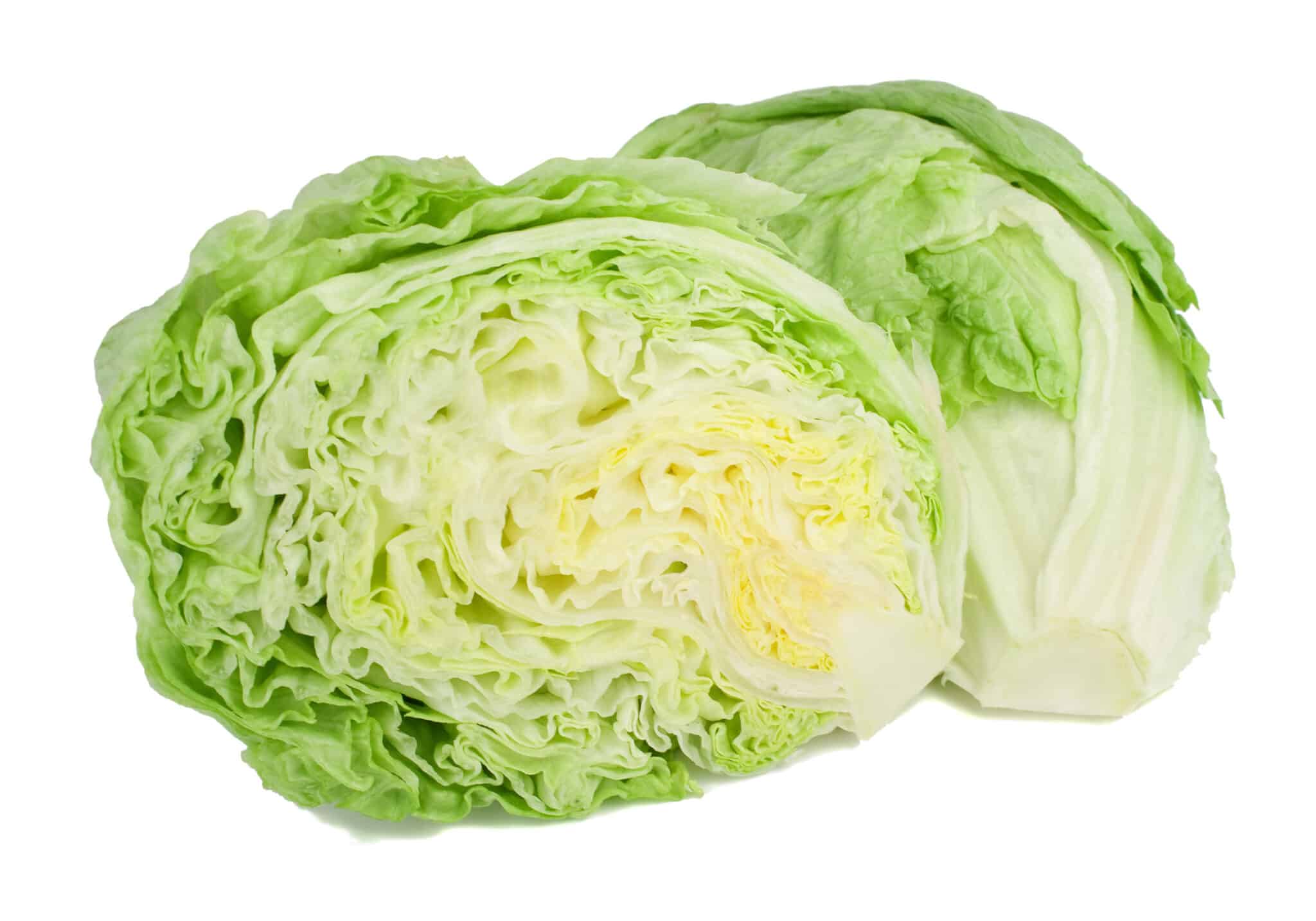

The summer of 2026 has produced the largest cyclosporiasis outbreak in modern U.S. history, and nearly two months after the implicated product was pulled from the market, federal and state health agencies are still counting cases. The outbreak, traced by federal investigators to shredded iceberg lettuce grown in central Mexico and processed by Taylor Farms de Mexico, has now sickened more than 11,000 people in the confirmed federal tally alone, with Michigan’s own count running even higher. Here is where the investigation stands as of the first week of September.
The current numbers
The most recent joint figures come from the FDA’s August 27 update and the CDC’s September 3 posting. According to the FDA, the outbreak now stands at 11,458 illnesses across 20 states, with Georgia, Tennessee, and Texas added since the previous update. The agency lists 495 hospitalizations, two deaths, and a most recent illness onset of August 15, 2026, with cases in Arkansas, Georgia, Iowa, Illinois, Indiana, Kansas, Kentucky, Massachusetts, Maine, Michigan, Missouri, Nebraska, New Hampshire, North Carolina, Ohio, Oklahoma, Pennsylvania, Tennessee, Texas, and West Virginia.
The CDC’s outbreak page, updated September 3, carries the same fast facts and adds two notable procedural points. The agency continues to investigate other cyclosporiasis outbreaks and illnesses nationally that stem from different sources and are unrelated to the lettuce outbreak, and it is reducing the frequency of web updates on this outbreak as the number of new cases declines, meaning updates will no longer come weekly. That decision is the clearest official signal yet that the outbreak’s peak has passed.
The federal numbers, however, represent only part of the picture. Between May 1 and August 26, the CDC received reports of 17,180 laboratory-confirmed, domestically acquired cyclosporiasis cases, resulting in 922 hospitalizations and two deaths, a total that includes both outbreak-linked and non-outbreak cases. By early September, the CDC’s overall count of domestically acquired laboratory-confirmed cases had reached 18,445.
How the investigation unfolded
The outbreak first came into public view through Taco Bell. The FDA’s July 16 advisory described a multistate outbreak linked to shredded iceberg lettuce served at Taco Bell locations in Indiana, Kentucky, Michigan, Ohio, and West Virginia. At that point, 1,644 infected people reporting Taco Bell exposure had been reported by five states, with onset dates from May 13 through July 13 and 94 hospitalizations.
Michigan’s epidemiologic work was pivotal. The state analyzed food exposure details from 190 patients who reported eating at Taco Bell, and ingredient-level analysis found that 90% of those interviewed had eaten iceberg lettuce. That finding, combined with FDA traceback, narrowed the field quickly. On July 17 the agency reported that its traceback investigation converged on a single supplier, Taylor Farms de Mexico, which provided shredded iceberg lettuce to the Taco Bell locations where sick people ate. The same day, Taylor Farms de Mexico of Guanajuato announced it was voluntarily removing all iceberg lettuce sourced from central Mexico from the U.S. market.
The recall extended beyond food service. Taylor Fresh Foods’ notice included Marketside-brand product sold at Walmart, specifically 12-ounce and 24-ounce Iceberg Salad with best-if-used-by dates from 7/18/2026 to 8/3/2026, and 8-ounce and 16-ounce Shredded Lettuce with the same date range. The FDA later confirmed that food service distribution between June 29 and July 16 reached 31 states, with possible further distribution to eight more jurisdictions including D.C. and Puerto Rico, while the Marketside retail products were sold at select Walmart stores in 15 states. Customer information from the company also indicates recalled product was sold to consumers in Mexico.
The false positive
The investigation took a confusing turn in its first weekend. On July 19, the FDA announced that a lettuce sample from Taylor Farms de Mexico that had been reported positive the previous day did not represent true amplification and should be considered a false positive, citing the complexity of Cyclospora detection. The agency added that as of July 19 there were no confirmed positive product samples.
Taylor Farms responded pointedly, saying in a statement that the FDA had made a mistake. But the agency did not back away from its conclusions. In its July 24 update, the FDA stressed that the false-positive sample did not change the basis for the investigation or the overwhelming epidemiological evidence supporting the recall, and that traceback and outbreak data continued to converge on shredded iceberg lettuce from Taylor Farms growers in central Mexico. Former FDA deputy commissioner Frank Yiannas remarked that the development could add confusion to an already complex situation for consumers.
The absence of a positive product sample is not unusual. Experts note that testing for Cyclospora is notoriously difficult, which can lead to errors, and outbreaks caused by this parasite are routinely solved through epidemiology and traceback rather than laboratory confirmation of the food itself.
Case counts surge as the definition widens
Through late July and August, the numbers climbed dramatically, partly because of how cases were being classified. In the August 5 update, the FDA explained that, thanks to additional interview data, the outbreak now included people who reported exposure to either Taco Bell or recalled Taylor Farms de Mexico lettuce, pushing the total to 6,358 illnesses in 15 states with six new states added. The agency cautioned that the number would keep rising despite the recall, because it can take as long as six weeks for CDC and state officials to determine whether a sick person belongs to the outbreak.
The FDA has also been candid that the confirmed count understates the true burden. The true number of sick people is likely higher than reported, because some people recover without medical care and are never tested for Cyclospora. The agency noted that states may show different illness counts on their own websites because they may include probable cases or update on different schedules, while CDC and FDA report only laboratory-confirmed cases.
By August 13 the total had reached 9,481 illnesses in 17 states, with Maine and Massachusetts newly added. A week later it stood at 10,930, with no new states. The August 27 figure of 11,458 reflects a clear slowdown in growth, consistent with the CDC’s decision to reduce update frequency.
The two deaths
Both deaths have been reported in Michigan. According to the FDA, both individuals had significant underlying health conditions that may have been adversely affected by cyclosporiasis and dehydration, and both had illness onset dates prior to the July 17 recall. The Michigan Department of Health and Human Services has characterized the deaths the same way, noting that medical records showed significant underlying conditions in both cases.
Michigan: the epicenter
No state has been hit harder than Michigan, and its numbers diverge sharply from the federal tally. As of September 3, MDHHS reported 14,718 cyclosporiasis cases, with 366 reported hospitalizations and two deaths. That total exceeds the entire national confirmed count because the agencies are counting differently: MDHHS counts every cyclosporiasis case reported during its outbreak investigation period, while the CDC and FDA report only laboratory-confirmed cases they have tied to this outbreak.
Michigan’s own outbreak page has been somewhat more cautious in its language than the federal agencies. It states that available information indicates lettuce or salad greens may be a potential source, that other foods cannot be completely ruled out, and that no specific type of produce, grower, or supplier has been identified as the source. Michigan officials have not said whether all of the illnesses in the state can be attributed to Taylor Farms iceberg lettuce. The state has also warned that its weekly figures can be distorted by reporting lags; the week of July 19 included roughly 475 cases and the week of August 2 roughly 473 cases that had not previously been reported due to delayed laboratory reporting, and these do not reflect sudden increases in illness.
The state’s growth rate is slowing. Michigan’s count rose by about 200 cases in the week ending September 3, and MDHHS continues to advise residents to avoid the recalled lettuce. Earlier in the summer, when cases were concentrated in Southeast Michigan and no source had been identified, MDHHS urged restaurants and commercial kitchens to buy whole heads of lettuce rather than prewashed or bagged product, discard the outer two or three layers of leaves, wash inner leaves under running water, and cook leafy greens when possible.
Michigan’s early work has now been formally documented. An interim report published September 2 in NEJM Evidence describes the MDHHS investigation during May through July 2026, prompted by an unprecedented surge of Cyclospora cayetanensis infections in the state. The report’s authors characterized the event as among the largest documented cyclosporiasis outbreaks in U.S. history, and noted that real-time epidemiologic data from Michigan helped guide public health actions and the FDA’s lettuce traceback that ultimately implicated Taylor Farms iceberg lettuce from Mexico.
Where the FDA’s investigation stands now
The regulatory response has moved to the source. The FDA reported that its onsite inspections and sampling at iceberg lettuce growers and the processing facility in Mexico, conducted in coordination with Mexican officials, are ongoing, and the agency remains confident that all recalled iceberg lettuce related to this outbreak is off the market. Reports indicate that Taylor Farms has temporarily suspended operations at its central Mexico processing facility.
The FDA also formalized its assessment of the recall. In its Enforcement Report, the agency classified the Taylor Farms de Mexico recall as Class I, its most serious category, meaning there is a reasonable probability that exposure to the product will cause serious adverse health consequences. The FDA took pains to explain that this classification does not mean the recall has been expanded, upgraded, or elevated; it is a normal step taken after a company issues its recall notice.
What consumers should know
Because best-by dates for the recalled lettuce have passed, the product should no longer be available in stores or restaurants, and Taco Bell has said it stopped using lettuce from Taylor Farms de Mexico as of July 17. The FDA advises anyone who previously received recalled lettuce to carefully clean and sanitize any surfaces or containers it touched, and to contact a health care provider if they have symptoms of cyclosporiasis, especially if they ate shredded iceberg lettuce in the two weeks before getting sick.
The CDC emphasizes that patients may need to specifically request testing, since routine stool tests do not always screen for the parasite. Symptoms usually begin about one week after infection, though the range is two days to two weeks or more, and without treatment they can last from a few days to a month or longer. Because washing alone cannot guarantee removal of Cyclospora, the CDC notes that cooking produce to at least 158°F will kill the parasite.
The outbreak is not over, but the trajectory has shifted. With new case reports slowing, federal agencies scaling back their update cadence, and inspectors working in Mexican fields and processing lines, the investigation is moving from containment toward understanding how contamination of this scale occurred.
