

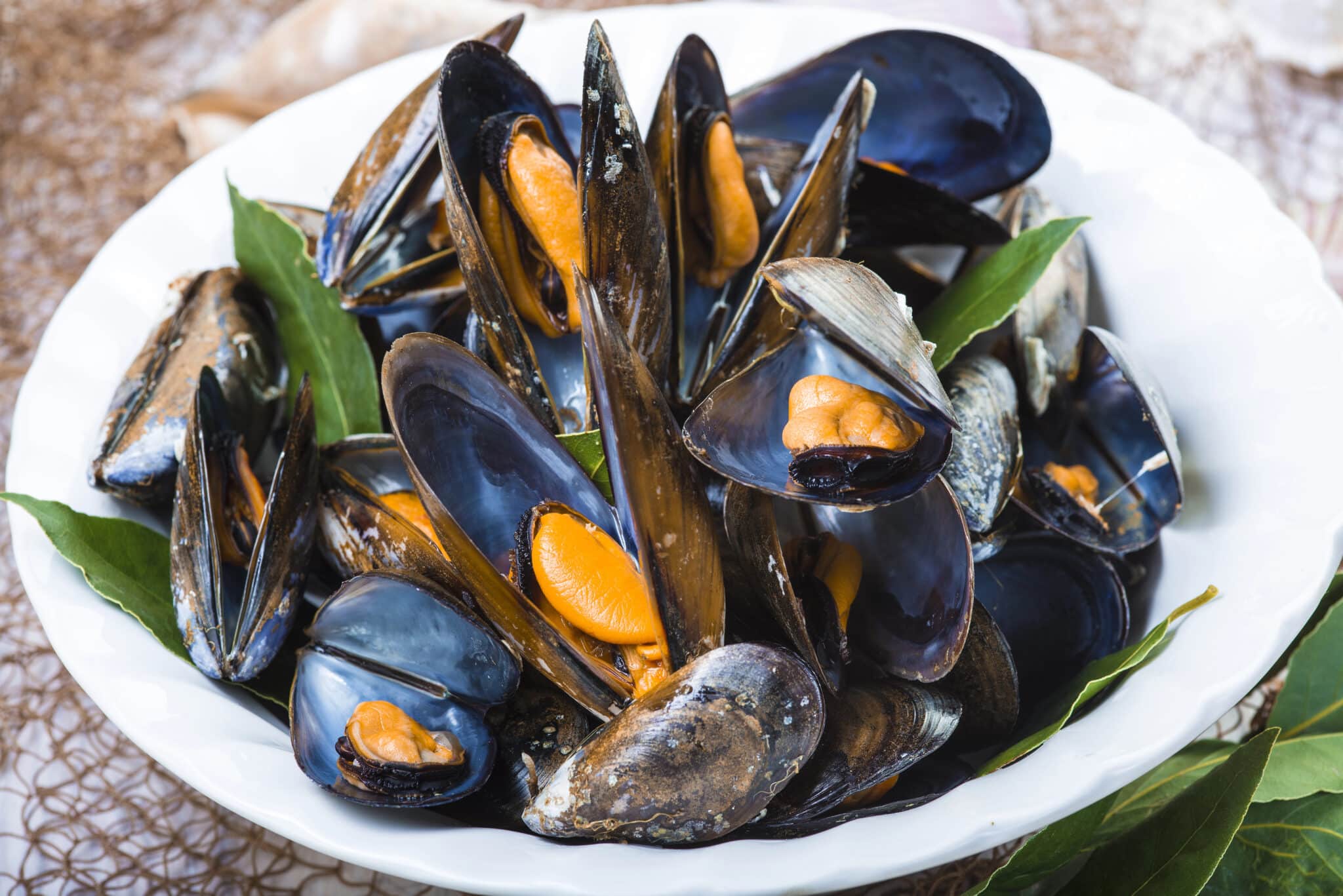

What are the Challenges to Providing Safe Clams, Mussels and Oysters to Consumers in the U.S.? Vibrio, Norovirus and other Food Borne Pathogens Pose a Constant Risk to Consumers Who Enjoy Shell Fish.
Shellfish Safety: Ensuring Safe Consumption of Oysters, Clams, and Mussels
Shellfish, including oysters, clams, and mussels, are treasured for their culinary and nutritional value. However, their consumption poses unique safety challenges due to their natural habitat and physiology. According to the nation’s leading Vibrio Lawyer, Ron Simon:
“Shellfish are filter feeders, meaning they filter water for nutrients, but this also exposes them to contaminants, pathogens, and toxins in their environment. When it comes to shell fish, like oysters and clams, the combination of biological, environmental, and operational factors necessitates stringent safety practices and regulatory oversight to minimize risks to consumers. Producers and distributors of mussels, clams, and especially oysters, have to be committed to food safety to prevent bacteria like Vibrio, or norovirus, and other foodborne hazards from contaminating these products. Harvesting practices, holding temperatures, and proper warnings must always be followed or the results can be dangerous, if not deadly.”
General Practices for Shellfish Safety
1. Aquaculture and Harvesting Standards
Proper management of shellfish farming and harvesting areas is critical for ensuring safety. Key practices include:
- Monitoring Water Quality: Regulatory agencies, such as the U.S. Food and Drug Administration (FDA) and local authorities, monitor water for contaminants, including bacteria, viruses, and biotoxins. Regular sampling and testing help identify pollution events and ensure compliance with water quality standards.
- Designated Growing Areas: Shellfish harvesting areas are classified based on water quality assessments. Areas that meet strict standards are designated as safe for harvesting, while others may require depuration (a purification process) or are deemed unsuitable.
- Controlled Harvesting: Harvesting is restricted during certain seasons or conditions, such as after heavy rainfall, which can increase contamination risks from runoff.
2. Post-Harvest Processing (PHP)
Post-harvest processing techniques reduce microbial contamination and improve safety. These include:
- High-Pressure Processing (HPP): HPP inactivates pathogens, such as Vibrio species, without compromising the taste or texture of the shellfish.
- Thermal Treatments: Processes like flash freezing and cooking effectively kill many bacteria and viruses.
- Depuration: Live shellfish are placed in clean water systems to purge contaminants. This method is commonly used for clams and mussels.
3. Cold Chain Management
Maintaining proper temperature control throughout the supply chain is vital. Practices include:
- Rapid Cooling: Shellfish are immediately chilled post-harvest to inhibit bacterial growth.
- Refrigerated Transport: Continuous cold storage during transportation and retail helps maintain freshness and safety.
4. Regulatory Compliance and Certification
Shellfish operations must adhere to national and international safety standards. Key regulatory frameworks include:
- HACCP (Hazard Analysis and Critical Control Points): Shellfish producers implement HACCP plans to identify and mitigate safety hazards.
- Shellfish Certification Programs: Producers participate in certification programs like the Interstate Shellfish Sanitation Conference (ISSC) to ensure compliance with safety protocols.
5. Consumer Education
Educating consumers about proper handling and preparation is essential. Key messages include:
- Avoiding raw shellfish consumption if immunocompromised.
- Properly cooking shellfish to recommended internal temperatures.
- Storing shellfish at appropriate temperatures to prevent spoilage.
- This should also include adequate warnings to the public of the risks inherent in eating shellfish, especially if done so raw like as in Oyster consumption
Challenges in Ensuring Shellfish Safety
Despite rigorous safety practices, several challenges persist:
1. Environmental Contamination
Shellfish safety heavily depends on the quality of their aquatic environment. Sources of contamination include:
- Agricultural Runoff: Fertilizers and animal waste introduce pathogens and nutrients that promote harmful algal blooms.
- Urban Pollution: Industrial discharge, sewage leaks, and stormwater runoff contaminate shellfish habitats.
- Climate Change: Rising temperatures and ocean acidification can exacerbate pathogen growth and toxin production – especially with regard to Vibrio in Oysters.
2. Pathogen Detection and Control
Detecting and mitigating microbial risks remains a challenge due to:
- Evolving Pathogens: Emerging strains of Vibrio and other microbes complicate monitoring and control.
- Testing Limitations: Current methods may not detect all pathogens or toxins present in shellfish.
- Rapid Proliferation: Vibrio bacteria can multiply quickly in warm temperatures, posing risks even after harvest.
3. Economic and Logistical Constraints
The high cost of implementing safety measures, coupled with logistical challenges, can hinder compliance:
- Small-Scale Operators: Small shellfish farms may lack resources to invest in advanced technologies like HPP.
- Global Supply Chains: Ensuring safety across international borders requires coordinated oversight and uniform standards.
4. Consumer Behavior
Many consumers prefer raw or minimally processed shellfish, increasing their risk of exposure to pathogens. Additionally, improper storage or handling by consumers can negate earlier safety measures.
Foodborne Pathogens of Concern
1. Vibrio Species
Vibrio bacteria are naturally present in marine environments and can cause severe foodborne illness – especially for consumers of raw oysters. Key species include:
- Vibrio parahaemolyticus: Commonly associated with gastroenteritis from raw or undercooked shellfish. Symptoms include diarrhea, abdominal pain, and fever.
- Vibrio vulnificus: A more virulent strain that can cause life-threatening septicemia, particularly in immunocompromised individuals.
Control Measures
- Harvesting during cooler months to reduce Vibrio levels.
- Employing post-harvest treatments like HPP or freezing.
- Monitoring Vibrio levels in growing areas.
2. Norovirus
Norovirus is a leading cause of gastroenteritis and is often linked to contaminated shellfish.
Sources of Contamination
- Sewage contamination of water.
- Improper handling during processing.
Control Measures
- Strict water quality monitoring.
- Educating workers on hygiene practices.
- Cooking shellfish thoroughly to destroy the virus.
3. Harmful Algal Blooms (HABs)
Toxins produced by certain algae during HABs can accumulate in shellfish and cause illnesses such as:
- Paralytic Shellfish Poisoning (PSP): Caused by saxitoxins.
- Amnesic Shellfish Poisoning (ASP): Linked to domoic acid.
Control Measures
- Regular toxin testing in shellfish harvesting areas.
- Closing contaminated areas until toxin levels decrease.
- Educating consumers on risks during bloom seasons.
4. Other Pathogens
- Escherichia coli (E. coli): Indicates fecal contamination and may signal the presence of other pathogens.
- Salmonella: Rare in shellfish but a potential hazard due to cross-contamination during processing.
Innovations and Future Directions
To address challenges and enhance shellfish safety, ongoing research and technological advancements are crucial:
1. Advanced Pathogen Detection
- Rapid Testing Kits: Development of portable, user-friendly kits for on-site testing.
- Genomic Sequencing: Identifying and tracking pathogen strains to improve surveillance.
2. Sustainable Aquaculture Practices
- Integrating shellfish farming with seaweed or fish farming to reduce nutrient pollution.
- Employing bioremediation techniques to improve water quality.
3. Climate Adaptation Strategies
- Developing temperature-resistant shellfish varieties.
- Enhancing predictive models to forecast contamination events.
4. Consumer-Centric Approaches
- Promoting awareness campaigns on safe shellfish consumption.
- Expanding accessibility to processed shellfish options, such as pre-cooked or frozen products.
Caution and Diligence are Called For When Consuming Shellfish
Ensuring the safety of shellfish like oysters, clams, and mussels is a complex process involving multiple stakeholders, from farmers and regulators to processors and consumers. While significant progress has been made through improved monitoring, processing, and education, ongoing challenges, particularly from pathogens like Vibrio and norovirus, require continuous innovation and vigilance. Collaborative efforts and technological advancements will be key to safeguarding public health while sustaining the economic and ecological benefits of shellfish aquaculture.
