

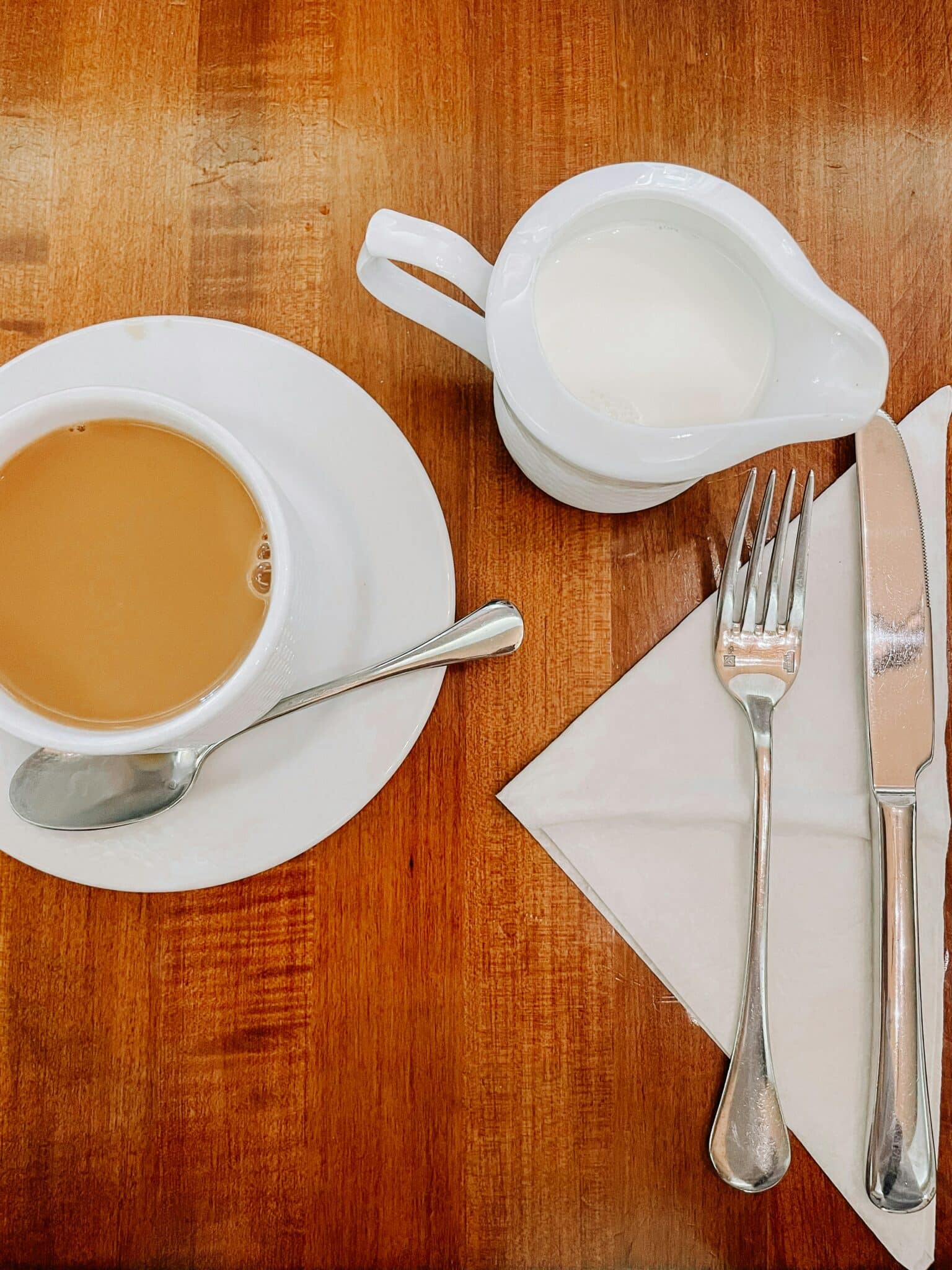

After a long day of travel or an early wake-up in an unfamiliar city, that little in-room hotel coffee maker can feel like a lifesaver. But before you press “brew” and sip that complimentary cup, it’s worth asking: is it actually safe to drink hotel room coffee? While the caffeine might perk you up, the cleanliness of the machine, the quality of the supplies, and even the potential for contamination may give you pause.
Take a closer look at the hidden risks and realities of hotel room coffee so you can make an informed decision next time you’re on the road.
What’s Actually in That Machine?
Most hotel rooms feature single-serve pod coffee makers or small drip machines. They’re simple to use and convenient, but they also come with a downside: they’re rarely cleaned thoroughly. Unlike restaurant or café equipment that gets washed and sanitized daily, hotel in-room machines may go days, or even weeks, without a proper deep cleaning.
Housekeeping staff typically do a quick wipe-down of the exterior and may replace the coffee pods and cups, but internal parts like water reservoirs, spouts, and tubing are often overlooked. These hidden areas can harbor:
- Mold and mildew, especially if the machine stays damp between uses
- Old coffee residue, which can develop into biofilms that trap bacteria
- Mineral buildup, which affects taste and may harbor microbes
- Germs from previous guests, especially if someone used the machine to heat non-coffee substances like soup or instant noodles
What the Studies Say
A 2011 study by the University of Valencia found that home coffee makers can harbor bacteria including Pseudomonas, Enterococcus, and Staphylococcus species, some of which are capable of causing illness. Now imagine what might be lingering in a hotel room machine, which has likely been used by hundreds of guests with limited cleaning in between.
While there’s limited direct research on hotel coffee makers specifically, food safety experts agree: shared appliances that are not sanitized properly pose a contamination risk, especially when moist and dark environments allow bacteria and mold to thrive.
Not Just Germs: Beware the Water and Supplies
Besides the cleanliness of the machine itself, there are other potential concerns:
1. Tap Water
Most guests fill the coffee maker with bathroom sink tap water, which may not be as clean or palatable as the water you’d use at home. In some regions, hotel tap water might not meet the same safety standards you’re used to. If you’re in a place where the water is questionable, brewing coffee with it won’t necessarily make it safe, many pathogens can survive low brewing temperatures.
2. Disposable Cups and Lids
Those plastic-wrapped cups may look clean, but they’re not immune to contamination either. Housekeeping staff sometimes unwrap and arrange cups for display, and there’s no guarantee gloves were used. In some cases, cups may be reused or not replaced between guests.
3. Sweeteners and Creamers
Individual packets of sugar, powdered creamer, or flavored syrup that are pre-placed in the room can also collect dust or bacteria, especially if they’ve been sitting for weeks. Opened or tampered packets should never be used.
What About the Taste?
Even if you’re not worried about germs, hotel room coffee tends to fall flat in terms of flavor and freshness. Most hotels use low-quality generic coffee pods or packets, which may have been sitting in storage for months. The result is often a bitter, stale brew that tastes more like cardboard than coffee.
If you’re a coffee enthusiast, you probably already know: convenience comes at a cost to quality.
How to Make Safer Hotel Coffee
If you love your morning cup but want to reduce the risk, here are some tips:
- Inspect the machine before use. Open the water reservoir and look for signs of mold, rust, or buildup.
- Rinse the machine by running a full cycle with clean water (or bottled water) before brewing coffee.
- Use bottled or filtered water, especially in areas where tap water is questionable.
- Wipe surfaces with a sanitizing wipe if you’re concerned about germs.
- Bring your own supplies: travel-sized pour-over kits, instant coffee sachets, or portable coffee presses allow you to control both cleanliness and quality.
- Avoid flavored creamers and sugars from the room. Bring your own single-serve options or buy sealed items nearby.
When to Skip It Altogether
You might want to pass on hotel room coffee altogether if:
- The machine looks dirty, smells musty, or hasn’t been cleaned in a while
- You’re immunocompromised, pregnant, or more sensitive to foodborne pathogens
- You’re in a country where the water quality is a concern
- You’re a coffee lover who can’t stand mediocre brew
In those cases, opt for coffee from the hotel’s restaurant, lobby café, or a nearby trusted coffee shop. Even gas station coffee might be safer than a neglected in-room machine.
Final Note
Hotel room coffee is undeniably convenient, but that convenience can come with unseen risks. Whether you’re concerned about bacteria, water quality, or just poor taste, it’s worth taking a few extra steps to ensure your morning cup is both safe and satisfying. After all, travel can be unpredictable. Your coffee shouldn’t be.
