

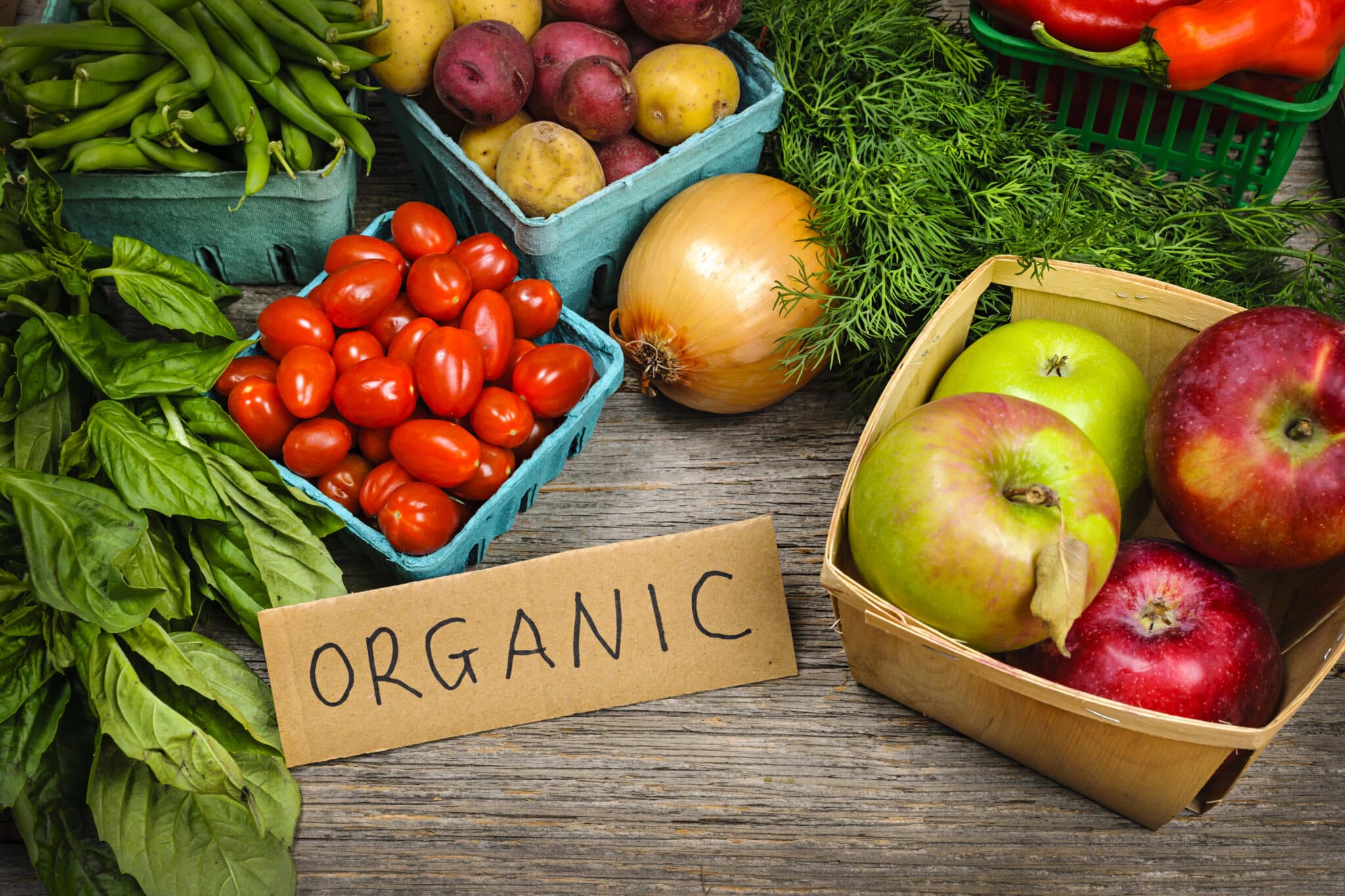

The Impact of Organic vs. Conventional Farming on Food Safety
The debate over organic versus conventional farming has gained significant attention in recent years, especially concerning food safety. With growing consumer awareness about health and environmental issues, many individuals are opting for organic produce, believing it to be safer than its conventionally grown counterparts.
Defining Organic and Conventional Farming
Organic Farming is a method of farming that avoids synthetic chemicals, genetically modified organisms (GMOs), and artificial fertilizers. It emphasizes biodiversity, sustainability, and ecological balance.
Conventional Farming is a method that often utilizes synthetic fertilizers, pesticides, and GMOs to maximize yield and efficiency, focusing on monoculture practices.
Overview of Foodborne Illnesses
Foodborne illnesses pose a significant public health concern, affecting millions globally each year. According to the Centers for Disease Control and Prevention (CDC), approximately 48 million people in the United States experience foodborne illnesses annually, resulting in 128,000 hospitalizations and 3,000 deaths. The pathogens responsible for these illnesses can originate from various sources, including contaminated soil, water, and agricultural practices.
Similarities Between Organic and Conventional Farming
Despite their differences, organic and conventional farming share several similarities, particularly regarding their fundamental agricultural goals:
- Crop Production: Both farming practices aim to produce high-quality crops to meet consumer demand.
- Resource Management: Farmers in both systems must manage resources effectively, including water and soil health.
- Market Dynamics: Both organic and conventional products are subject to market forces, including consumer preferences, pricing, and distribution channels.
- Pest and Disease Management: Both farming systems need to address pests and diseases, although they employ different strategies to do so.
Differences Between Organic and Conventional Farming
The disparities between organic and conventional farming practices are pronounced, particularly regarding inputs, methods, and regulatory oversight:
1. Use of Chemicals
- Organic Farming: Organic farms primarily use natural fertilizers (e.g., compost, manure) and pest control methods (e.g., crop rotation, biological control). According to the USDA, synthetic chemicals are strictly prohibited, which can lead to lower yields but higher biodiversity.
- Conventional Farming: Conventional farms often utilize synthetic fertilizers and pesticides to enhance crop yields and manage pests. While these chemicals are regulated, their use can lead to residues on produce and potential health concerns.
2. Genetic Modification
- Organic Farming: Organic farming prohibits the use of genetically modified organisms (GMOs), ensuring that all crops are bred through traditional methods.
- Conventional Farming: Conventional farms may use GMOs to enhance crop traits such as pest resistance and drought tolerance. This can lead to increased yields but raises concerns about long-term health effects.
3. Soil Management Practices
- Organic Farming: Organic farmers emphasize soil health through practices like cover cropping, crop rotation, and reduced tillage. These practices help maintain soil fertility and microbial diversity.
- Conventional Farming: Conventional farming often relies on monoculture practices, which can deplete soil nutrients and increase the risk of pest outbreaks. This can necessitate more frequent pesticide applications.
4. Environmental Impact
- Organic Farming: Organic methods are designed to be more sustainable, with a focus on preserving ecosystems and reducing pollution. Organic farms often have higher biodiversity, which can contribute to a more resilient agricultural system.
- Conventional Farming: While conventional farming can be efficient in terms of yield, it often leads to environmental degradation, including soil erosion, water pollution, and loss of biodiversity.
The Role of Farming Practices in Food Safety
Pathogen Contamination in Organic Farming
Organic farming practices are often thought to be safer; however, they are not without risks. The absence of synthetic pesticides and fertilizers can lead to certain challenges:
- Natural Contaminants: Organic produce is still susceptible to contamination from natural sources. For instance, manure is commonly used as fertilizer in organic farming. If not properly composted, it can harbor pathogens like E. coli and Salmonella.
- Soil Health and Microbial Diversity: While organic farming promotes biodiversity, it can also lead to increased microbial diversity in the soil, which may include harmful pathogens.
Pathogen Contamination in Conventional Farming
Conventional farming practices can also pose significant risks:
- Pesticide Residues: Although synthetic pesticides are regulated, their residues can still be present on conventional produce, raising concerns about long-term health effects.
- Monoculture Practices: Conventional farming often relies on monoculture, leading to reduced soil health and biodiversity. This can make crops more susceptible to pest outbreaks, necessitating increased pesticide use.
Regulatory Framework
Organic Certification
Organic farming is governed by strict regulations that vary by country. In the United States, the USDA regulates organic farming practices through the National Organic Program (NOP). This program mandates comprehensive practices that ensure organic products are free from synthetic additives and genetically modified organisms. Key components of organic certification include:
- Annual Inspections: Organic farms must undergo annual inspections to ensure compliance with organic standards.
- Record Keeping: Farmers are required to maintain detailed records of their farming practices, inputs, and products.
- Labeling: Products labeled as organic must meet specific criteria, including the percentage of organic ingredients.
Conventional Farming Regulations
Conventional farming is also subject to regulations, particularly concerning pesticide use. The Environmental Protection Agency (EPA) in the U.S. sets limits on pesticide residues allowed on food products, aiming to protect public health while allowing for agricultural efficiency. Key components of conventional farming regulations include:
- Pesticide Registration: All pesticides must be registered with the EPA before they can be used, ensuring they meet safety standards.
- Monitoring Residues: The FDA conducts regular testing for pesticide residues on food products to ensure compliance with safety limits.
- Good Agricultural Practices (GAP): Guidelines for safe growing, harvesting, and handling of produce to minimize the risk of contamination.
Emerging Foodborne Pathogens
Pathogens of Concern
Public health officials are increasingly monitoring emerging foodborne pathogens that pose risks to both organic and conventional farming. Some notable pathogens include:
- Cyclospora cayetanensis: A parasite linked to contaminated fresh produce, particularly imported berries and salad ingredients. Recent outbreaks have raised concerns about both organic and conventional crops.
- Vibrio parahaemolyticus: Associated with seafood, this bacterium can thrive in warmer waters, making it a concern during the warmer months.
- Listeria monocytogenes: This pathogen can contaminate ready-to-eat and fresh foods, including organic produce.
Climate Change and Pathogen Proliferation
Climate change can exacerbate the risk of foodborne illnesses by creating conditions more favorable for pathogen growth. Warmer temperatures, increased rainfall, and extreme weather events can disrupt agricultural practices and increase the likelihood of contamination.
Analysis & Next Steps
What’s New
- Increased Consumer Awareness: Consumers are becoming more informed about food safety and the implications of farming practices, leading to a shift in purchasing habits.
- Emerging Pathogens: Health authorities are increasingly focused on emerging foodborne pathogens that challenge both organic and conventional farming methods.
Why It Matters
Understanding the differences between organic and conventional farming practices is crucial for public health. With foodborne illnesses affecting millions, consumers must make informed choices about the food they consume. Additionally, farmers and policymakers must collaborate to enhance food safety within both farming systems.
Who’s Affected
The impact of foodborne illnesses extends beyond consumers to farmers, food producers, and the healthcare system. Vulnerable populations, such as the elderly, pregnant women, and immunocompromised individuals, are particularly at risk.
What to Do Now
- Enhancing Food Safety Regulations: Both organic and conventional farming practices should be continually assessed to ensure they meet stringent food safety standards.
- Consumer Education: Public health campaigns should focus on educating consumers about safe food handling practices, regardless of whether they choose organic or conventional products.
- Research Initiatives: Ongoing research into the impact of farming practices on food safety is essential to develop better strategies to mitigate risks associated with foodborne illnesses.
Final Note
The comparison between organic and conventional farming practices reveals a complex interplay of benefits and risks concerning food safety. While organic farming emphasizes sustainability and reduced chemical usage, it is not immune to the challenges posed by foodborne pathogens. Conversely, conventional farming, while efficient, raises concerns about pesticide residues and soil health. As emerging pathogens continue to pose risks, a comprehensive approach that prioritizes food safety across both farming systems is essential for protecting public health.
