
Close Menu
  • Food Poisoning
    • Symptoms
    • Prevention
    • Treatment
    • Causes
  • Pathogens
    • Botulism
    • Campylobacter
    • E. coli
    • Cyclospora
    • Norovirus
    • Hepatitis A
    • Salmonella
    • Listeria
    • Shigella
  • Food Safety
    • How to wash your hands
    • Food Safty And The Holidays
  • Legal
    • Can I sue for Food Poisoning?
    • E. coli Lawyer
      • E. coli Lawsuit
    • Salmonella Lawyer
      • Salmonella Lawsuit
    • Botulism Lawyer
    • Cyclospora Lawyer
    • Shigella Lawyer
    • Hepatitis A Lawyer
  • Outbreaks and Recalls
  • Connect With A Lawyer
What's Hot

A History of Jalapeños: Foodborne Illness Outbreaks Linked to the Spicy Delicacy

August 6, 2026

Man Eats at Taco Bell, then Loses Job after Falling Ill from Cyclosporiasis

August 6, 2026

The Largest Recorded Cyclosporiasis Outbreak in U.S. History: Why the CDC Expanded the Investigation to Fifteen States

August 6, 2026
Facebook X (Twitter) Instagram
Facebook X (Twitter) YouTube
  • About
  • Contact Us
Food Poisoning NewsFood Poisoning News
  • Home
  • Food Poisoning
    • What is Food Poisoning?
      • Symptoms
      • Causes
      • Prevention
      • Treatment
      • Statistics
    • Pathogens
      • Botulism
      • Campylobacter
      • E. coli
      • Hepatitis A
      • Shigella
      • Norovirus
      • Salmonella
      • Cyclospora
      • Listeria
  • Food Safety
    • How to wash your hands
    • Food Safty And The Holidays
  • Legal
    • Salmonella Lawyer
      • Salmonella Lawsuit
    • E. coli Lawyer
      • E. coli Lawsuit
    • Cyclospora Lawyer
    • Shigella Lawyer
    • Hepatitis A Lawyer
    • Botulism Lawyer
  • Outbreaks and Recalls
Food Poisoning NewsFood Poisoning News
Home»Food Poisoning News»The Labeling Effect: How Food Markers Shape Consumer Safety Perceptions
The Labeling Effect: How Food Markers Shape Consumer Safety Perceptions
Food Poisoning News

The Labeling Effect: How Food Markers Shape Consumer Safety Perceptions

Kit RedwineBy Kit RedwineJune 26, 2025No Comments3 Mins Read
Share
Facebook Twitter LinkedIn Pinterest Email Reddit

Despite overwhelming scientific consensus on the safety of genetically modified organisms (GMOs), a significant perception gap persists among consumers. Approximately 88% of scientists agree GMOs are safe for human consumption, compared to only 37% of U.S. adults, according to a 2015 Pew Research Center survey.  This discrepancy is increasingly attributed to psychological and labeling factors rather than scientific evidence.  

Psychological Roots of Distrust  

Research indicates intuitive cognitive biases drive GMO aversion. “Psychological essentialism” leads consumers to believe transferring DNA between species transfers essential traits, such as the misconception that fish DNA would make tomatoes taste fishy.  Additionally, disgust responses frame genetic modification as contamination, particularly when genes originate from “unappealing” species like insects.  These intuitions are amplified by visual campaigns showing tomatoes with fish tails or terms like “Frankenfoods”.   

The Global Labeling Landscape  

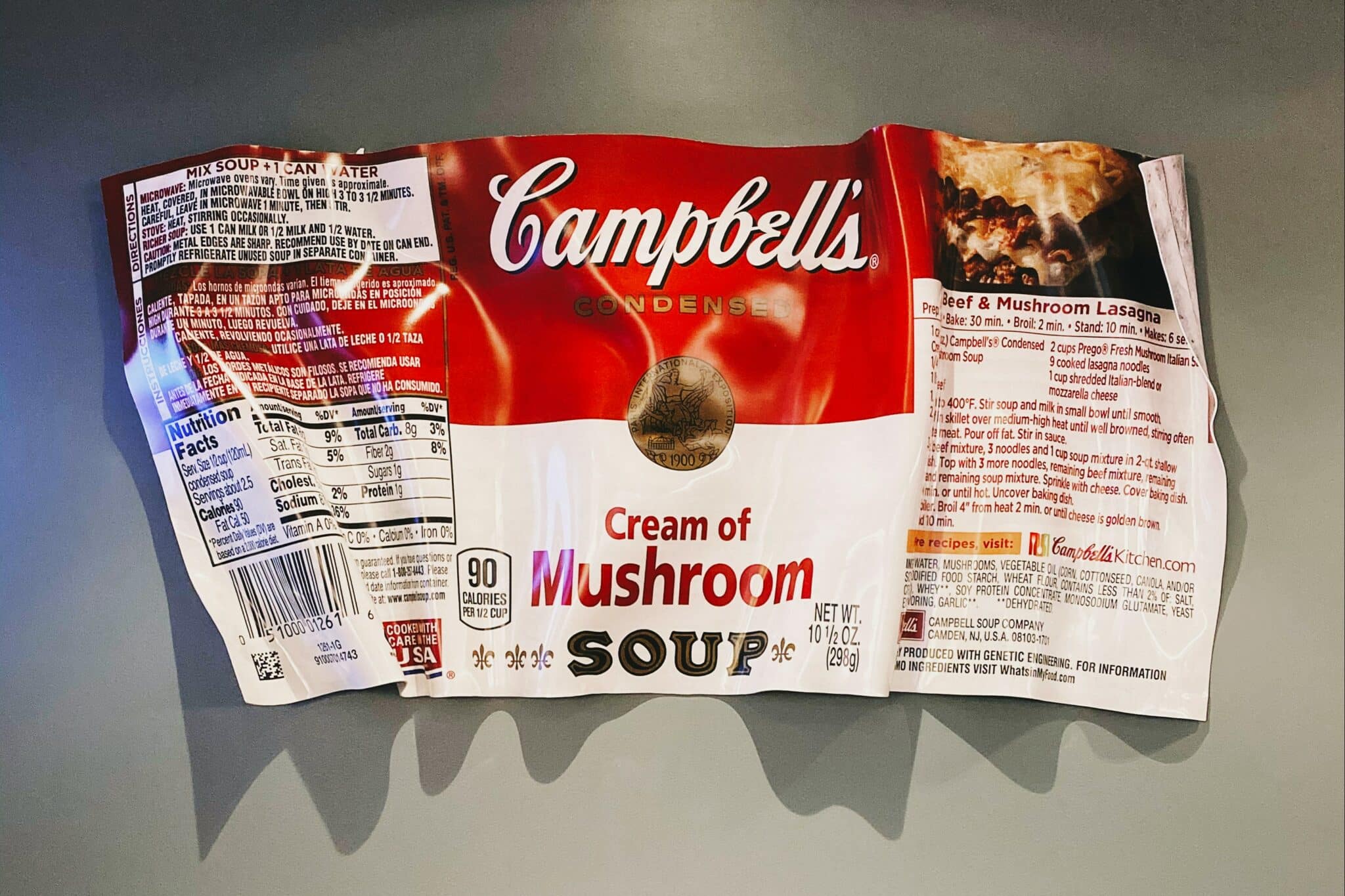
Internationally, 64 countries, including the European Union nations, China, and Brazil, mandate GMO labeling.  The U.S. implemented its National Bioengineered Food Disclosure Standard (NBFDS) in 2022, requiring labels like “contains bioengineered food ingredients”.  Critics argue the term “bioengineered” (over “GMO”) and permitting digital QR codes reduce accessibility. Natural Grocers, a retail chain, sued the USDA, calling the labels “designed to obfuscate”.   

Labeling’s Behavioral Impact  

Studies reveal labels influence assumptions beyond their informational purpose:  

  • Absence Claims: Products labeled “Non-GMO Project Verified” (an independent certification) imply conventional counterparts are riskier, though Rutgers research found no significant demand reduction for unlabeled items when “Not-GM” labels appeared.   
  • Presence Claims: Introducing “Genetically Modified” labels increased consumer preference for unlabeled produce by 8-12%, suggesting labels stigmatize GM items as “default risky”.   
  • Organic Association: USDA Organic certification prohibits GMOs, but 52% of consumers mistakenly believe organic also means “more nutritious” or “safer,” per USDA statements clarifying the label relates only to farming methods.   

Market Realities  

Vermont’s 2016 labeling law resulted in only a 5.9% sales decline for labeled products, a drop that reversed post-repeal.  This suggests minimal long-term behavioral impact from labels. Meanwhile, Non-GMO Project verified products grew tenfold between 2010-2020, indicating marketing capitalizes on safety perceptions.   

Table: Label Types and Consumer Perceptions  

Label TypeRequirementsConsumer Assumptions
USDA OrganicProhibits GMOs, synthetic pesticides“Healthier,” “safer,” “eco-friendly”
Non-GMO Project≤0.9% GMO content; ongoing testing“GMO-free” (despite no legal claim possible)
NBFDS “Bioengineered”≥5% detectable GM material; text/symbolViewed as “warning” despite neutrality intent

Consumer Reports surveys confirm 72% of Americans consider avoiding GMOs “crucial,” yet current U.S. labels often go unnoticed.  This is a strong example of how labeling frameworks, not just science, shape public risk assessments. As bioengineered crops expand, the disconnect between evidence and perception remains anchored in packaging semantics. 

Share. Facebook Twitter Pinterest LinkedIn Tumblr Email
Avatar photo
Kit Redwine

Kit Redwine is a senior technology sales and media professional with over 20 years of experience and holds an MBA. He is skilled in technology sales, creative engagement, and building strategic relationships in multiple industries. His career is dedicated to helping organizations streamline complex project portfolios and improve workflows. He currently researches and writes weekly articles to inform and create awareness of food safety practices to help prevent foodborne illness caused by pathogens such as Salmonella, Listeria, and E. coli.

Related Posts

Salmonella Javiana Outbreak Doubles to 212 Cases as FDA Traceback Continues — Still No Named Food – Now One Death from Salmonella Javiana Reported

August 3, 2026

Detroit at the Center of the Nation’s Largest Cyclospora Outbreak: Ron Simon & Associates Represents Hundreds of Victims, Including Detroit’s Cammal Ogletree

July 25, 2026

Another Hospitalization in Michigan: The Number of Serious Illnesses Continues to Grow

July 23, 2026

Beyond Taylor Farms and Taco Bell: Understanding Cyclospora Outbreaks That Remain Unlinked and Why Consumers Should Still Be Concerned

July 18, 2026
Add A Comment
Leave A Reply Cancel Reply

Attorney Advertisement
Ron Simon

Subscribe to Updates

Get the latest food safety recall, outbreak, & investigation news.

Latest Posts

A History of Jalapeños: Foodborne Illness Outbreaks Linked to the Spicy Delicacy

August 6, 2026

Man Eats at Taco Bell, then Loses Job after Falling Ill from Cyclosporiasis

August 6, 2026

Salmonella Javiana – Jalapeno’s at Chipotle

August 5, 2026

Food Poisoning News is a website devoted to providing you with the most current information on food safety, dangerous pathogens, food poisoning outbreaks and outbreak prevention, and food poisoning litigation.

We're social. Connect with us:

Facebook X (Twitter) YouTube
Latest Posts

A History of Jalapeños: Foodborne Illness Outbreaks Linked to the Spicy Delicacy

August 6, 2026

Man Eats at Taco Bell, then Loses Job after Falling Ill from Cyclosporiasis

August 6, 2026

Salmonella Javiana – Jalapeno’s at Chipotle

August 5, 2026
Get Informed

Subscribe to Updates

Get the latest food safety recall, outbreak, & investigation news.

Facebook X (Twitter) YouTube
  • Home
  • About
  • Editorial Standards & Ethics Policy
  • Sourcing & Fact-Checking Policy
  • Corrections & Clarifications Policy
  • Our Authors
  • Medical Disclaimer
  • Legal Disclaimer & Attorney Advertising Notice
  • Privacy Policy
  • Terms of Use
  • Get In Touch
© 2026 Food Poisoning News. Sponsored by Ron Simon & Associates a Houston, TX law firm. Powered by ArmaVita.
Our website and content are for informational purposes only. Food Poisoning News does not provide legal advice, medical advice, diagnosis, or treatment.

Type above and press Enter to search. Press Esc to cancel.