

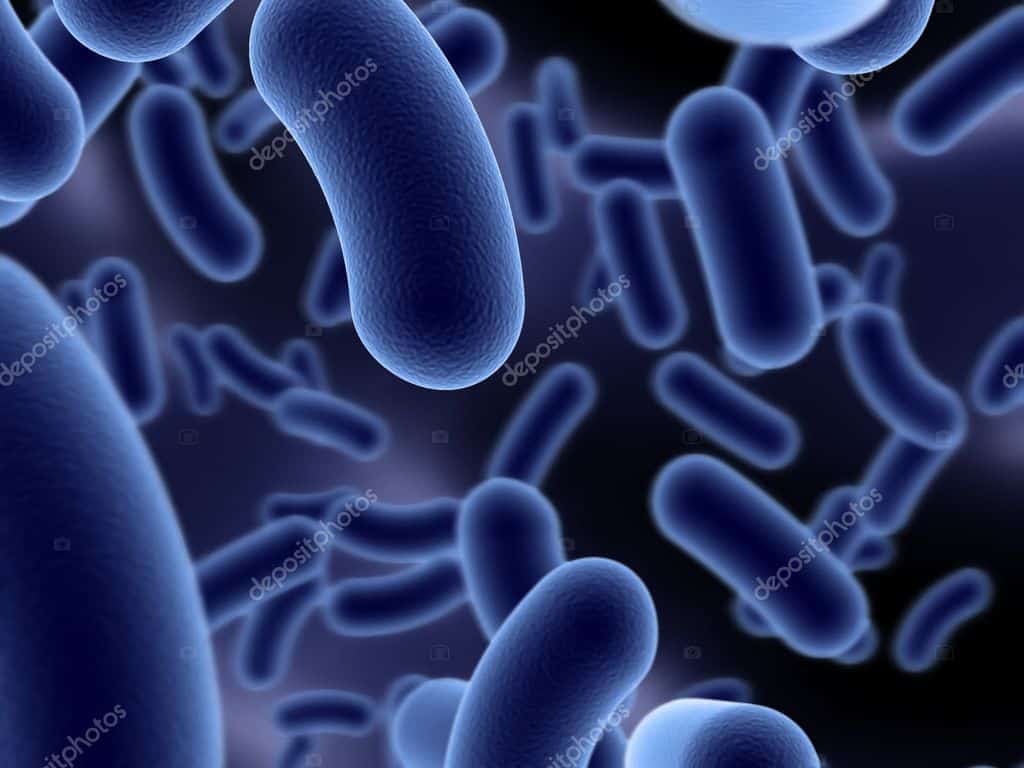

Every year, hundreds of millions of people around the world experience food poisoning, also known as foodborne illness. While many people think of it simply as a “stomach bug” caused by eating spoiled food, the science behind food poisoning is far more complex. Food poisoning is the result of intricate interactions between microorganisms, toxins, the human digestive system, and the immune response. Understanding these biological processes helps explain why contaminated food can make people sick, why symptoms vary so widely, and how modern food safety practices prevent disease.
What Is Food Poisoning?
Food poisoning occurs when a person consumes food or beverages contaminated with disease-causing microorganisms or their toxins. These contaminants generally fall into four categories: bacteria, viruses, parasites, and naturally occurring or chemical toxins. Not all food poisoning results from living organisms; in some cases, the harmful substance is a toxin already present in the food before it is eaten.
The severity of illness depends on several factors, including the type of pathogen, the amount consumed, the person’s age and health, and the strength of their immune system. While healthy adults often recover within a few days, young children, older adults, pregnant women, and immunocompromised individuals are more susceptible to severe complications.
The Microbial World of Foodborne Disease
Microorganisms capable of causing food poisoning are remarkably diverse. Bacteria are among the most common culprits because they reproduce rapidly under favorable conditions. Under optimal temperatures, some bacterial species can double their population every 20 minutes, allowing a small number of cells to become millions within a few hours.
Different bacteria cause illness through different mechanisms. Some invade the tissues lining the intestines, damaging cells and triggering inflammation. Others remain in the intestinal tract but release powerful toxins that disrupt normal cellular function. Some bacteria produce toxins directly in food before it is consumed, meaning the toxins—not the bacteria themselves—cause illness.
Viruses behave differently. Unlike bacteria, viruses cannot reproduce independently. Instead, they infect human cells and hijack the host’s cellular machinery to produce new virus particles. Even tiny amounts of viral contamination can infect many people because viruses are highly infectious and often spread through poor hygiene during food preparation.
Parasites have more complex life cycles involving multiple developmental stages and sometimes multiple hosts. Infection usually occurs through contaminated water, undercooked meat, or improperly washed produce.
How Bacteria Cause Disease
One of the most fascinating aspects of food poisoning is that bacteria use different strategies to make people sick.
Some bacteria attach themselves to the lining of the intestines using specialized surface proteins. Once attached, they begin multiplying and may invade surrounding tissues. The immune system detects the invasion and responds by sending white blood cells to the affected area. While this response helps eliminate the infection, it also produces inflammation, which contributes to abdominal pain, fever, and diarrhea.
Other bacteria rely on toxins rather than direct invasion. These toxins are specialized proteins capable of interfering with normal cellular functions. Some toxins create tiny pores in cell membranes, causing cells to leak their contents and die. Others alter the movement of ions across intestinal cells, resulting in excessive water secretion into the digestive tract. This sudden movement of water produces the watery diarrhea characteristic of many forms of food poisoning.
Certain bacteria produce neurotoxins that affect the nervous system instead of the digestive tract. These toxins interfere with communication between nerves and muscles, potentially leading to blurred vision, muscle weakness, paralysis, or respiratory failure. Although rare, these illnesses demonstrate that food poisoning can affect far more than the stomach.
Why Symptoms Occur
Many symptoms of food poisoning are actually the body’s defense mechanisms rather than direct effects of the pathogen.
Vomiting helps expel contaminated food before additional toxins or microorganisms can be absorbed. Diarrhea rapidly flushes harmful organisms from the intestines. Fever develops because higher body temperatures can inhibit microbial growth while enhancing immune cell activity.
The immune system recognizes invading microorganisms through receptors that detect molecules unique to bacteria and viruses. Once activated, immune cells release signaling molecules called cytokines, which coordinate inflammation and recruit additional immune cells to fight infection.
Although these responses protect the body, they also produce fatigue, muscle aches, and general feelings of illness. In severe infections, an excessive immune response can contribute significantly to tissue damage.
The Importance of Toxins
Not all food poisoning requires living bacteria to be present at the time food is eaten. Some bacteria produce toxins while growing in improperly stored food. Even if subsequent cooking kills the bacteria, certain toxins remain active because they are heat-stable and resist destruction during normal cooking.
These toxins often act rapidly, explaining why symptoms can develop within just a few hours after eating contaminated food. By contrast, infections involving living bacteria usually require time for the organisms to multiply inside the body before symptoms appear.
Scientists classify bacterial toxins into several categories based on their mechanisms of action. Enterotoxins primarily affect the intestines, cytotoxins damage cells directly, and neurotoxins interfere with nerve function. Understanding these mechanisms has helped researchers develop diagnostic tests and improve food safety regulations.
Why Food Is an Ideal Environment for Microbial Growth
Microorganisms require nutrients, moisture, and suitable temperatures to reproduce. Many foods naturally provide all three.
Protein-rich foods such as meat, poultry, seafood, eggs, and dairy products are especially favorable environments for bacterial growth. Moist cooked foods provide readily available nutrients, while temperatures between approximately 5°C and 60°C (41°F to 140°F)—often called the “danger zone”—allow many disease-causing bacteria to multiply rapidly.
Refrigeration slows bacterial metabolism and reproduction but does not necessarily kill microorganisms. Freezing generally stops microbial growth altogether, yet many bacteria survive freezing and resume multiplying after thawing.
Heat is one of the most effective methods for eliminating pathogens because high temperatures denature proteins, damage cell membranes, and destroy enzymes required for survival. This scientific principle explains why proper cooking dramatically reduces the risk of foodborne illness.
Modern Science and Food Safety
Advances in microbiology have transformed food safety over the past century. Scientists can now identify harmful microorganisms within hours using molecular techniques such as polymerase chain reaction (PCR), which detects unique genetic sequences belonging to specific pathogens.
Whole-genome sequencing has revolutionized outbreak investigations by allowing researchers to compare the DNA of bacterial samples collected from patients and food products. If the genomes closely match, investigators can identify the source of contamination with remarkable precision, leading to faster recalls and fewer illnesses.
The food industry also employs Hazard Analysis and Critical Control Points (HACCP), a science-based system that identifies stages during food production where contamination is most likely to occur. By monitoring these critical points, manufacturers can prevent hazards before products reach consumers.
Conclusion
Food poisoning is far more than an upset stomach caused by spoiled food. It is the result of sophisticated biological interactions between pathogens, toxins, the digestive system, and the immune response. Bacteria may invade tissues, release toxins, or alter cellular function, while viruses and parasites use entirely different strategies to cause disease. At the same time, many symptoms represent the body’s own efforts to eliminate infection and restore health.
Continued advances in microbiology, genetics, and food science have dramatically improved our understanding of foodborne illness, leading to safer food production and more effective outbreak investigations. As scientists continue to uncover how microorganisms interact with the human body, this knowledge not only enhances food safety but also deepens our appreciation for the remarkable complexity of both microbes and the immune system.
