

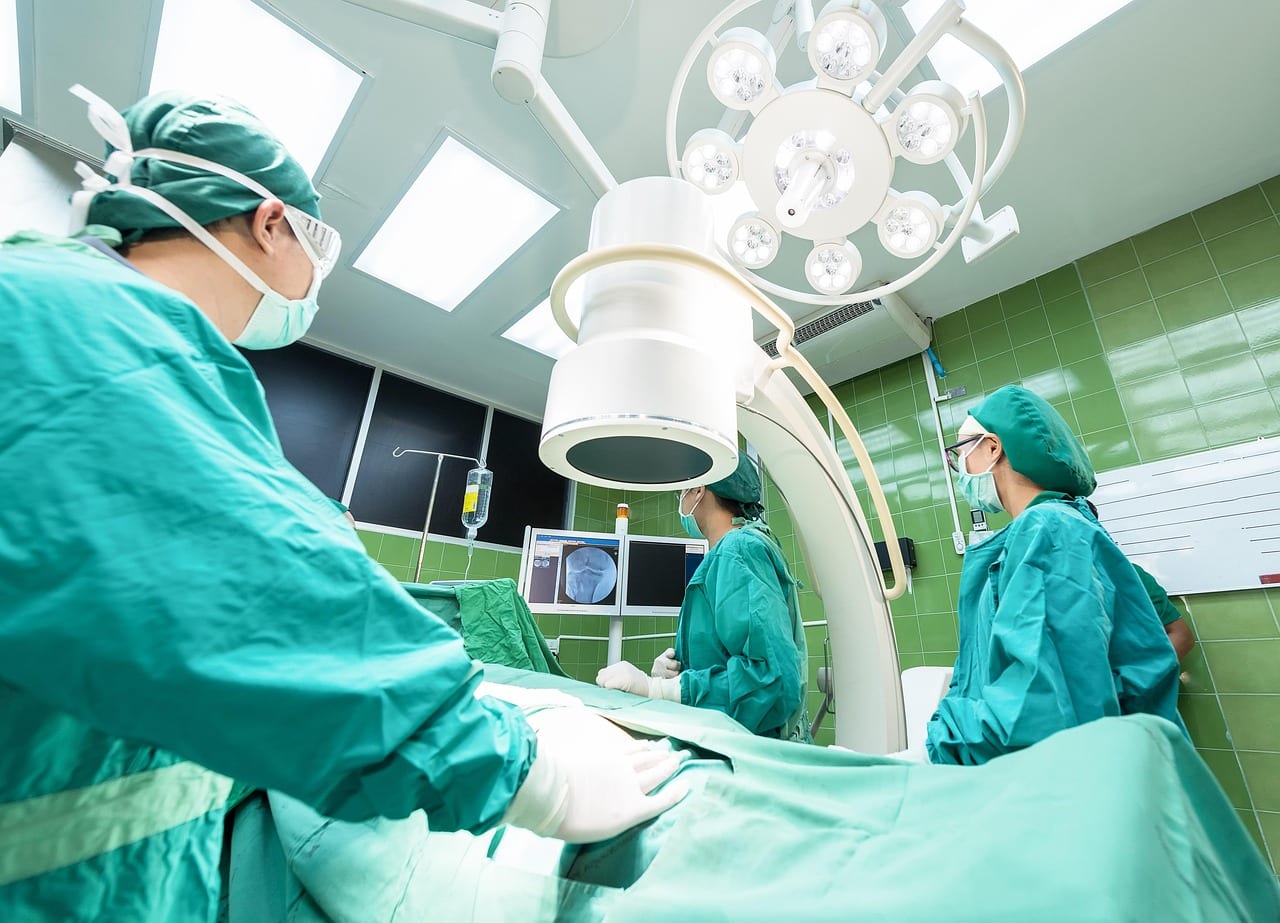

🏥 When the Cure Becomes the Risk: Why Even Hospitals Can’t Escape Foodborne Bacteria
Hospitals are supposed to be sanctuaries of safety — the one place where germs are constantly fought, floors gleam with disinfectant, and every surface smells sterile. Patients trust that behind the crisp white sheets and humming machines lies an invisible barrier between illness and health. Yet one threat manages to slip through even the most sanitized walls: foodborne bacteria.
It’s an unsettling truth — even hospitals, with all their strict sanitation rules and sterile procedures, have seen outbreaks of Listeria, Salmonella, and Clostridium difficile traced back to food prepared inside their own kitchens. The very place meant to heal can sometimes become a source of infection.
A Hidden Weakness in a Sterile World
Every day, hospital kitchens prepare thousands of meals for patients, staff, and visitors. Behind the swinging double doors, trays are assembled, vegetables are chopped, and soups are ladled — all under strict safety guidelines. But hospitals face a unique challenge: their patients are among the most vulnerable people in society.
Someone recovering from surgery or fighting cancer doesn’t have the same immune strength as a healthy adult. A dose of bacteria that might cause mild discomfort for one person can become life-threatening for another.
Even when procedures are followed carefully, all it takes is one contaminated shipment of produce or a single improperly cleaned piece of equipment to cause an outbreak.
The 2015 Hospital Listeria Outbreak: A Chilling Lesson
One of the most striking examples came in 2015, when hospitals across multiple states were forced to recall meals after a Listeria monocytogenes outbreak was traced to ice cream served in patient units. The brand was a well-known name — trusted, widely used, and thought to be perfectly safe.
What made the outbreak so alarming wasn’t the ice cream itself, but where it was being served — oncology wards, maternity units, and recovery rooms filled with patients whose immune systems were already weakened. Some patients died, not from the illnesses they were originally hospitalized for, but from infections caused by contaminated food.
It was a wake-up call for the entire healthcare industry: even in sterile environments, the food supply chain can break down before a meal ever reaches the tray.
The Complexity of Hospital Kitchens
A hospital kitchen functions like a high-volume restaurant under constant pressure. Dietitians send customized meal plans to chefs — low sodium, diabetic-friendly, gluten-free, or pureed. The variety of dietary needs means constant switching between ingredients, tools, and prep areas.
Cross-contamination becomes a major concern. A cutting board used for chicken may be sanitized properly, but if a single droplet of juice lands on a nearby fruit plate, bacteria can travel fast.
Temperature control is another challenge. Hot foods must stay above 140°F and cold foods below 40°F. Yet during meal delivery — through long hallways, up elevators, and into patient rooms — those temperatures fluctuate. Even a few degrees of difference can create a window for bacteria to multiply.
Why Immunocompromised Patients Are Most at Risk
A small dose of E. coli that might cause mild stomach cramps in a healthy person can lead to sepsis — a body-wide infection — in someone immunocompromised. For newborns, pregnant women, and the elderly, the danger is even higher.
This is why hospitals typically use “neutropenic diets” for vulnerable patients — menus designed to limit bacteria exposure by avoiding certain raw or high-risk foods like deli meats, soft cheeses, unwashed fruit, and salads. But even these controlled diets are not foolproof if contamination occurs before the food arrives at the hospital.
When the Supply Chain Fails
Most hospital kitchens rely on outside vendors to provide produce, meats, and dairy products. If contamination happens at the farm or processing facility, it’s already too late by the time it reaches the hospital loading dock.
In 2020, several hospitals in the Midwest traced Listeria contamination to pre-packaged deli meats used for patient sandwiches. The bacteria didn’t come from the kitchen — it came sealed inside the packages. Despite strict storage and temperature control, the outbreak spread silently until patients started showing symptoms.
The problem highlights a fundamental challenge: hospitals can control what happens inside their walls, but they can’t always control what arrives from outside.
Even Prepared Foods Aren’t Immune
Prepackaged salads, cut fruit cups, and grab-and-go snacks — all designed for convenience — have increasingly become a problem in medical settings. Hospital cafeterias, often open to staff and the public, serve these items daily. But these ready-to-eat foods carry one of the highest risks of Listeria contamination because they don’t go through a final “kill step” like cooking.
The issue isn’t neglect; it’s the assumption that sealed means safe. In reality, Listeria can survive refrigeration and thrive in environments that most bacteria can’t.
The Cost of One Mistake
When a hospital experiences a foodborne illness outbreak, the effects go far beyond the kitchen. Operations slow, staff morale dips, and patient trust is shaken. In severe cases, hospitals must suspend meal service entirely and switch to emergency pre-packaged meals until the contamination is found.
The human cost is harder to measure. Imagine being admitted for pneumonia and leaving with a Salmonella infection. Or a newborn exposed to Listeria through formula prepared in a hospital nursery. For families, the betrayal feels personal — because hospitals represent healing, not harm.
Fighting an Invisible Enemy
In response to these risks, many hospitals have strengthened their food safety protocols. Some now conduct bacterial swab testing in kitchens multiple times a week. Others have installed “blast chillers” — machines that rapidly cool cooked food to safe temperatures to prevent bacterial growth.
Education plays a major role, too. Nutrition staff are trained to recognize risky practices — like reusing utensils, improper glove changes, or storing raw and cooked foods in the same fridge.
Technology also helps: digital temperature monitors can alert staff instantly if a fridge warms beyond safe limits, and automated cleaning systems sanitize surfaces between shifts.
Still, no system is perfect. The combination of human error, high patient turnover, and complex food logistics means risk can never be reduced to zero.
What Patients Can Do
Most people don’t think to question hospital meals, but being informed can make a difference — especially for those at higher risk.
- Ask questions: Patients or families can ask if certain foods — like deli meats or soft cheeses — are pasteurized or cooked fresh.
- Avoid raw produce if your immune system is compromised. Cooked vegetables are safer.
- Don’t store uneaten food from meal trays for later unless it’s refrigerated immediately.
- Report symptoms like nausea, fever, or diarrhea right away — even if you think it’s just “hospital food not agreeing with you.”
Healing Shouldn’t Come with Hidden Risks
Hospitals are filled with stories of survival — patients overcoming odds, doctors performing miracles. Yet somewhere between the sterile hallways and the comforting promise of a warm meal, foodborne bacteria still find cracks to slip through.
The truth is, no place — not even the most sanitized one — is completely immune. But awareness, vigilance, and accountability can make a difference. For hospitals, every meal served safely is a quiet victory. For patients, it’s one less worry in a place where health should always come first.
