


Restaurant Inspection. How Important are They?
Restaurant inspections conducted by local and state health agencies are a cornerstone of public health and food safety systems. These inspections serve to ensure that food establishments adhere to strict hygiene and safety standards, protecting consumers from foodborne illnesses and promoting overall public well-being. By evaluating everything from food storage practices to employee hygiene, restaurant inspections are crucial in identifying and mitigating risks that could otherwise lead to serious health issues.
The role of these inspections extends beyond simply checking for compliance with local regulations; they are part of a larger framework designed to maintain high standards of food quality and consumer safety. This essay examines the key functions of restaurant inspections by local and state health agencies, focusing on their purpose, inspection processes, the role of inspectors, and the broader public health impact – and even, the vital role they play in food poisoning lawsuits brought by victims.
Ensuring Food Safety and Hygiene Standards
One of the primary goals of restaurant inspections is to ensure that food establishments maintain high standards of food safety and hygiene. Health agencies at both the state and local levels develop guidelines that outline the minimum requirements for food storage, preparation, and handling. These guidelines are typically aligned with national or international food safety standards, such as those set by the U.S. Food and Drug Administration (FDA) and the Centers for Disease Control and Prevention (CDC).
Inspectors check for various aspects of food safety during their visits to restaurants, such as:
- Proper food storage: This includes ensuring that perishable items are stored at the correct temperatures to prevent bacterial growth. For example, cold foods must be kept at 40°F or below, and hot foods should be held at 140°F or above.
- Cross-contamination prevention: Inspectors check to see whether raw and cooked foods are kept separate to prevent harmful bacteria from spreading. Improper handling of raw meats, for example, can lead to the contamination of ready-to-eat items, posing a serious health risk.
- Sanitation of kitchen equipment and surfaces: Health inspectors evaluate whether restaurants properly clean and sanitize utensils, cutting boards, countertops, and other surfaces that come into contact with food. Unsanitary kitchen environments can lead to the spread of pathogens that cause foodborne illnesses.
- Employee hygiene: Inspectors assess whether staff members follow proper hygiene protocols, such as washing hands frequently and wearing gloves when handling food. Personal hygiene is a critical factor in preventing the spread of contaminants from workers to food.
By enforcing these standards, health agencies help ensure that restaurants provide safe and sanitary food to their customers, thereby reducing the likelihood of foodborne illnesses. As one noted food safety attorney stated:
“Very often, these inspections and these agencies investigations following reports of food poisoning form the basis for food poisoning lawsuits and claims that we pursue on behalf of our clients.”
Protecting Public Health
The fundamental purpose of restaurant inspections is to protect public health. Foodborne illnesses can have serious consequences, ranging from mild discomfort to severe, life-threatening conditions. According to the CDC, approximately 48 million people in the United States suffer from foodborne illnesses each year, with 128,000 requiring hospitalization and 3,000 resulting in death. Many of these illnesses are preventable through proper food handling and hygiene practices, which restaurant inspections aim to enforce.
When restaurants fail to comply with food safety regulations, they put their customers at risk. Contaminated food can harbor harmful pathogens such as Salmonella, E. coli, and Listeria, which can cause severe gastrointestinal illnesses, particularly in vulnerable populations like children, the elderly, and individuals with weakened immune systems.
Local and state health agencies work to prevent outbreaks of foodborne illnesses by identifying potential hazards before they lead to serious public health incidents. If inspectors find violations that could pose a risk to customers, they can take immediate action, such as shutting down the establishment or requiring the correction of the issue within a specified time frame. This proactive approach helps mitigate public health risks and prevents widespread outbreaks.
The Inspection Process
Restaurant inspections are typically conducted on a regular basis, though the frequency may vary depending on the jurisdiction, type of establishment, and past inspection results. In general, restaurants are inspected at least once or twice a year, but more frequent inspections may be conducted for establishments with a history of violations or for higher-risk operations such as those handling raw seafood or catering large events.
The inspection process usually follows a standardized checklist that covers various aspects of food safety, sanitation, and operational practices. Some key areas of focus include:
- Food storage and preparation: Inspectors check whether food is stored at the correct temperatures and whether food is being prepared in a safe and sanitary manner. They also assess whether food is sourced from approved suppliers and properly labeled to ensure traceability.
- Employee health and hygiene: Inspectors verify that employees are following proper hygiene practices, including regular handwashing, wearing appropriate protective gear (e.g., gloves or hairnets), and avoiding direct contact with food if they are ill.
- Sanitation and cleanliness: Inspectors evaluate the cleanliness of the kitchen, dining area, and restrooms. They check for pests, such as rodents or insects, and ensure that garbage is disposed of properly.
- Equipment and facility maintenance: Inspectors examine whether equipment such as refrigerators, ovens, and dishwashers are functioning properly and being cleaned regularly. They also look for structural issues like leaks, mold, or damage to walls and floors, which could compromise sanitation.
- Pest control: Inspectors check for signs of pests or inadequate pest control measures. An infestation of pests like rats, flies, or cockroaches poses a serious health risk due to the potential contamination of food and surfaces.
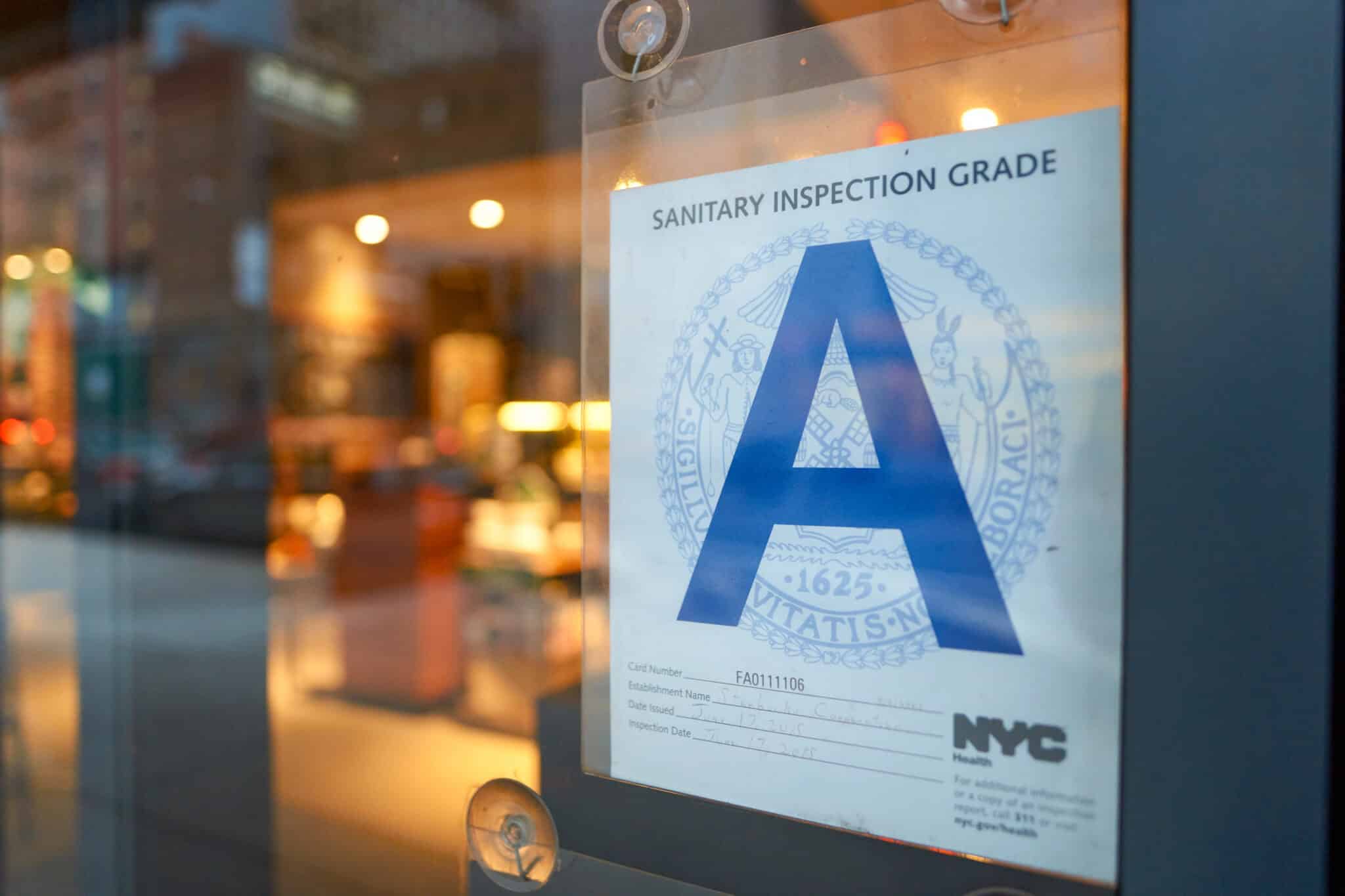
Once the inspection is complete, the inspector provides a report detailing any violations found and a corresponding grade or score for the restaurant. Violations may be classified based on their severity, with critical violations requiring immediate corrective action and non-critical violations potentially requiring follow-up inspections.
The Role of Health Inspectors
Health inspectors are trained professionals who play a vital role in safeguarding public health. These individuals typically have backgrounds in environmental health, public health, or food science and receive specific training on food safety standards and inspection procedures. Their responsibilities extend beyond simply identifying violations; they also serve as educators and consultants to restaurant owners and staff.
Inspectors often take the time to explain the importance of food safety practices and how to address specific violations. By fostering a collaborative relationship with restaurant management, inspectors can help businesses improve their operations and ensure compliance with regulations. This educational role is particularly important for smaller, independently owned establishments that may not have the same resources or expertise as larger chains.
In addition to routine inspections, health inspectors may conduct follow-up visits to verify that violations have been corrected or to investigate complaints from customers. These professionals are also instrumental in responding to foodborne illness outbreaks, conducting trace-backs to identify the source of contamination and preventing further spread.
Promoting Consumer Confidence
Restaurant inspections also play a crucial role in promoting consumer confidence in the food service industry. Customers rely on the results of health inspections to make informed decisions about where to dine. Many jurisdictions require restaurants to publicly display their inspection results or make them available online, allowing consumers to easily access information about a restaurant’s safety and hygiene practices.
A strong inspection program can bolster public trust in local dining establishments, encouraging more people to dine out. On the other hand, negative inspection results can harm a restaurant’s reputation and lead to a decline in business. By upholding food safety standards, health inspections help create a level playing field for restaurants, ensuring that all establishments meet basic health and safety requirements.
Crisis Management and Outbreak Prevention
Another critical function of restaurant inspections is in crisis management and the prevention of foodborne illness outbreaks. When an outbreak occurs, time is of the essence in identifying the source and containing the spread of illness. Inspectors play a key role in this process by conducting rapid inspections of suspected establishments, collecting samples, and analyzing food safety practices.
For example, in the case of an outbreak linked to a specific food item or ingredient, inspectors can trace the product back through the supply chain to determine where contamination may have occurred. Their work helps public health officials take swift action, such as recalling contaminated products or temporarily shutting down restaurants that pose an immediate risk to public health.
Conclusion
Restaurant inspections by local and state health agencies are essential for ensuring food safety, protecting public health, and promoting consumer confidence in the food service industry. Through regular inspections, health agencies enforce hygiene and safety standards, prevent foodborne illnesses, and educate restaurant staff on best practices. Inspectors play a vital role in identifying risks, responding to crises, and fostering a culture of safety within the food industry.
In an increasingly complex food system, the importance of thorough and consistent restaurant inspections cannot be overstated. By maintaining rigorous oversight, local and state health agencies help safeguard the health and well-being of the public, ensuring that dining establishments provide safe and sanitary food to all their customers.
