
Close Menu
  • Food Poisoning
    • Symptoms
    • Prevention
    • Treatment
    • Causes
  • Pathogens
    • Botulism
    • Campylobacter
    • E. coli
    • Cyclospora
    • Norovirus
    • Hepatitis A
    • Salmonella
    • Listeria
    • Shigella
  • Food Safety
    • How to wash your hands
    • Food Safty And The Holidays
  • Legal
    • Can I sue for Food Poisoning?
    • E. coli Lawyer
      • E. coli Lawsuit
    • Salmonella Lawyer
      • Salmonella Lawsuit
    • Botulism Lawyer
    • Cyclospora Lawyer
    • Shigella Lawyer
    • Hepatitis A Lawyer
  • Outbreaks and Recalls
  • Connect With A Lawyer
What's Hot

Taylor Farms Recalls Mexican-Grown Iceberg Lettuce Amid Multistate Cyclospora Outbreak: Number of Taco Bell Lawsuits Against Taco Bell Growing

July 18, 2026

First Lawsuit Filed in Taco Bell Cyclospora Outbreak: Hospitalized Army Veteran Sues Taco Bell and Taylor Farms

July 17, 2026

Vacation Ruined by Food Poisoning? What to Do in the First 24 Hours 

July 16, 2026
Facebook X (Twitter) Instagram
Facebook X (Twitter) YouTube
  • About
  • Contact Us
Food Poisoning NewsFood Poisoning News
  • Home
  • Food Poisoning
    • What is Food Poisoning?
      • Symptoms
      • Causes
      • Prevention
      • Treatment
      • Statistics
    • Pathogens
      • Botulism
      • Campylobacter
      • E. coli
      • Hepatitis A
      • Shigella
      • Norovirus
      • Salmonella
      • Cyclospora
      • Listeria
  • Food Safety
    • How to wash your hands
    • Food Safty And The Holidays
  • Legal
    • Salmonella Lawyer
      • Salmonella Lawsuit
    • E. coli Lawyer
      • E. coli Lawsuit
    • Cyclospora Lawyer
    • Shigella Lawyer
    • Hepatitis A Lawyer
    • Botulism Lawyer
  • Outbreaks and Recalls
Food Poisoning NewsFood Poisoning News
Home»Food Safety Updates»Why Sprouts Remain a Persistent Outbreak Source of Bacteria Like E. coli and Salmonella
Why Sprouts Remain a Persistent Outbreak Source of Bacteria Like E. coli and Salmonella
Food Safety Updates

Why Sprouts Remain a Persistent Outbreak Source of Bacteria Like E. coli and Salmonella

Kit RedwineBy Kit RedwineApril 30, 2025No Comments3 Mins Read
Share
Facebook Twitter LinkedIn Pinterest Email Reddit

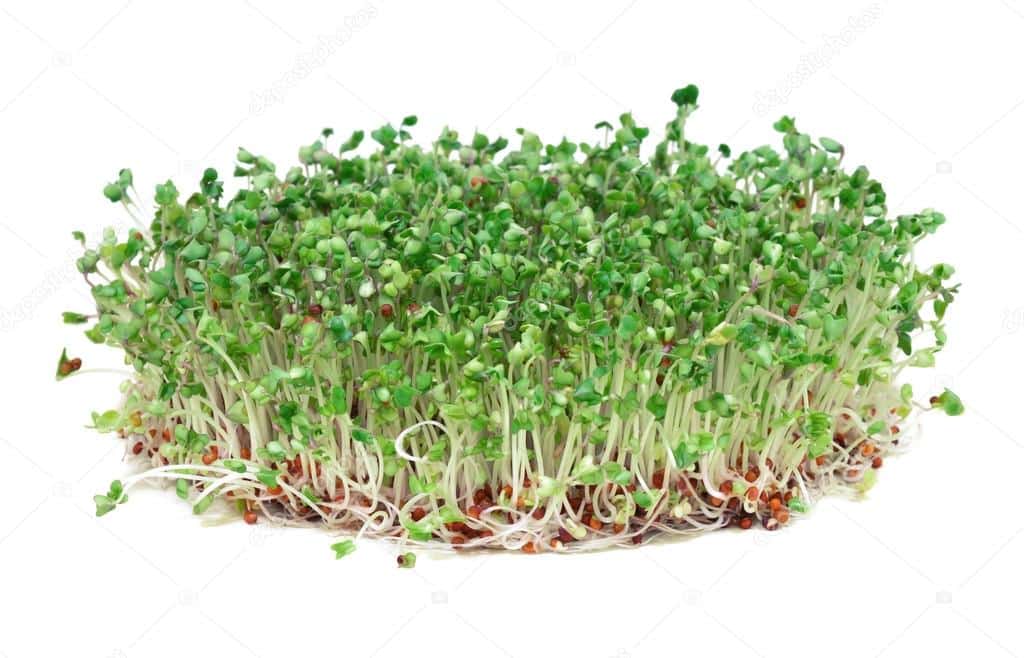
Sprouts, celebrated for their nutritional benefits and crisp texture, continue to pose significant food safety challenges, linked to recurring outbreaks of foodborne illnesses worldwide. This includes of dangerous bacteria like salmonella and e. coli. Health experts and regulatory agencies attribute this risk to the unique growing conditions of sprouts and inherent vulnerabilities in their production process, despite ongoing efforts to improve safety protocols.  

Sprouts, such as alfalfa, bean, and broccoli varieties, are grown from seeds in warm, humid environments, ideal for bacterial growth. These conditions, necessary for germination, also foster pathogens like Salmonella, E. coli, and Listeria if present on seeds. Contamination often originates at the seed level, as bacteria can infiltrate seeds through soil, water, or animal contact during cultivation, harvesting, or storage. Once contaminated, pathogens thrive during sprouting, multiplying rapidly and embedding within the plant’s structure, making them difficult to remove through washing.  

The U.S. Centers for Disease Control and Prevention (CDC) and the Food and Drug Administration (FDA) have documented dozens of sprout-related outbreaks over decades. Between 1996 and 2020, sprouts were linked to approximately 50 outbreaks in the U.S. alone, causing over 2,500 illnesses. Notable incidents include a 2011 E. coli outbreak in Europe tied to fenugreek sprouts, which resulted in thousands of infections and 50 deaths. Even with enhanced safety measures, recent cases persist, such as a 2022 Salmonella outbreak in the U.S. connected to alfalfa sprouts.  

Regulatory agencies have implemented guidelines to mitigate risks. The FDA mandates that sprout producers follow strict sanitation practices, including treating seeds with antimicrobial solutions and regularly testing irrigation water. However, challenges remain. Seed contamination can occur sporadically, and not all pathogens are eliminated through treatments. Additionally, the short shelf life of sprouts pressures producers to expedite distribution, sometimes bypassing thorough testing.  

Some countries, like Australia, require imported seeds to meet rigorous microbiological standards, while others rely on post-harvest interventions. Yet, no method guarantees complete safety. Cooking sprouts can kill pathogens, but consumers often eat them raw, particularly in salads, sandwiches, and garnishes, a practice health authorities discourage for high-risk groups, including children, the elderly, and immunocompromised individuals.  

Industry advancements aim to reduce risks. Innovations include seed irradiation, ozone treatment, and genetic testing to detect contamination earlier. Researchers are also exploring microbial competitors that suppress harmful bacteria during sprouting. Despite these efforts, adoption varies due to cost and scalability limitations.  

Public education plays a critical role. The CDC and FDA consistently advise thorough rinsing and cautious consumption, though studies suggest many consumers remain unaware of the risks. Nutritionists note that while sprouts offer vitamins and minerals, their safety trade-offs necessitate informed choices.  

As demand for fresh, plant-based foods grows, sprouts remain a case study in balancing dietary benefits with microbial hazards. Ongoing collaboration between scientists, regulators, and producers seeks to safeguard public health without compromising access to this popular food. For now, sprouts endure as both a nutrient-rich staple and a persistent outbreak source, a duality that highlights the complexities of food safety in modern agriculture.

Commenting on this article, the nation’s leading Listeria lawyer said, “Although nutritious, raw sprouts can be extremely dangerous if they become contaminated for certain groups. I encourage children, seniors, and those with compromised immune systems to either avoid sprouts or to cook them thoroughly.”

Share. Facebook Twitter Pinterest LinkedIn Tumblr Email
Avatar photo
Kit Redwine

Kit Redwine is a senior technology sales and media professional with over 20 years of experience and holds an MBA. He is skilled in technology sales, creative engagement, and building strategic relationships in multiple industries. His career is dedicated to helping organizations streamline complex project portfolios and improve workflows. He currently researches and writes weekly articles to inform and create awareness of food safety practices to help prevent foodborne illness caused by pathogens such as Salmonella, Listeria, and E. coli.

Related Posts

Vacation Ruined by Food Poisoning? What to Do in the First 24 Hours 

July 16, 2026

The Summer Surge of Cyclospora: Why Health Officials Are Still Searching for the Source

July 13, 2026

The Hidden Danger in Summer Beach Waters: What You Need to Know About Vibrio Infections

June 24, 2026

Food Safety During the Summer Months: Why Warm Weather Fuels Foodborne Illness and What Recent Outbreaks Reveal About Future Risks

June 15, 2026
Add A Comment
Leave A Reply Cancel Reply

Attorney Advertisement
Ron Simon

Subscribe to Updates

Get the latest food safety recall, outbreak, & investigation news.

Latest Posts

Taylor Farms Recalls Mexican-Grown Iceberg Lettuce Amid Multistate Cyclospora Outbreak: Number of Taco Bell Lawsuits Against Taco Bell Growing

July 18, 2026

First Lawsuit Filed in Taco Bell Cyclospora Outbreak: Hospitalized Army Veteran Sues Taco Bell and Taylor Farms

July 17, 2026

Vacation Ruined by Food Poisoning? What to Do in the First 24 Hours 

July 16, 2026

Food Poisoning News is a website devoted to providing you with the most current information on food safety, dangerous pathogens, food poisoning outbreaks and outbreak prevention, and food poisoning litigation.

We're social. Connect with us:

Facebook X (Twitter) YouTube
Latest Posts

Taylor Farms Recalls Mexican-Grown Iceberg Lettuce Amid Multistate Cyclospora Outbreak: Number of Taco Bell Lawsuits Against Taco Bell Growing

July 18, 2026

First Lawsuit Filed in Taco Bell Cyclospora Outbreak: Hospitalized Army Veteran Sues Taco Bell and Taylor Farms

July 17, 2026

Vacation Ruined by Food Poisoning? What to Do in the First 24 Hours 

July 16, 2026
Get Informed

Subscribe to Updates

Get the latest food safety recall, outbreak, & investigation news.

Facebook X (Twitter) YouTube
  • Home
  • About
  • Editorial Standards & Ethics Policy
  • Sourcing & Fact-Checking Policy
  • Corrections & Clarifications Policy
  • Our Authors
  • Medical Disclaimer
  • Legal Disclaimer & Attorney Advertising Notice
  • Privacy Policy
  • Terms of Use
  • Get In Touch
© 2026 Food Poisoning News. Sponsored by Ron Simon & Associates a Houston, TX law firm. Powered by ArmaVita.
Our website and content are for informational purposes only. Food Poisoning News does not provide legal advice, medical advice, diagnosis, or treatment.

Type above and press Enter to search. Press Esc to cancel.