
Close Menu
  • Food Poisoning
    • Symptoms
    • Prevention
    • Treatment
    • Causes
  • Pathogens
    • Botulism
    • Campylobacter
    • E. coli
    • Cyclospora
    • Norovirus
    • Hepatitis A
    • Salmonella
    • Listeria
    • Shigella
  • Food Safety
    • How to wash your hands
    • Food Safty And The Holidays
  • Legal
    • Can I sue for Food Poisoning?
    • E. coli Lawyer
      • E. coli Lawsuit
    • Salmonella Lawyer
      • Salmonella Lawsuit
    • Botulism Lawyer
    • Cyclospora Lawyer
    • Shigella Lawyer
    • Hepatitis A Lawyer
  • Outbreaks and Recalls
  • Connect With A Lawyer
What's Hot

A History of Jalapeños: Foodborne Illness Outbreaks Linked to the Spicy Delicacy

August 6, 2026

Man Eats at Taco Bell, then Loses Job after Falling Ill from Cyclosporiasis

August 6, 2026

The Largest Recorded Cyclosporiasis Outbreak in U.S. History: Why the CDC Expanded the Investigation to Fifteen States

August 6, 2026
Facebook X (Twitter) Instagram
Facebook X (Twitter) YouTube
  • About
  • Contact Us
Food Poisoning NewsFood Poisoning News
  • Home
  • Food Poisoning
    • What is Food Poisoning?
      • Symptoms
      • Causes
      • Prevention
      • Treatment
      • Statistics
    • Pathogens
      • Botulism
      • Campylobacter
      • E. coli
      • Hepatitis A
      • Shigella
      • Norovirus
      • Salmonella
      • Cyclospora
      • Listeria
  • Food Safety
    • How to wash your hands
    • Food Safty And The Holidays
  • Legal
    • Salmonella Lawyer
      • Salmonella Lawsuit
    • E. coli Lawyer
      • E. coli Lawsuit
    • Cyclospora Lawyer
    • Shigella Lawyer
    • Hepatitis A Lawyer
    • Botulism Lawyer
  • Outbreaks and Recalls
Food Poisoning NewsFood Poisoning News
Home»Featured»Microplastics Permeate Global Seafood Supplies
Microplastics Permeate Global Seafood Supplies
Featured

Microplastics Permeate Global Seafood Supplies

Kit RedwineBy Kit RedwineJune 16, 2025No Comments2 Mins Read
Share
Facebook Twitter LinkedIn Pinterest Email Reddit

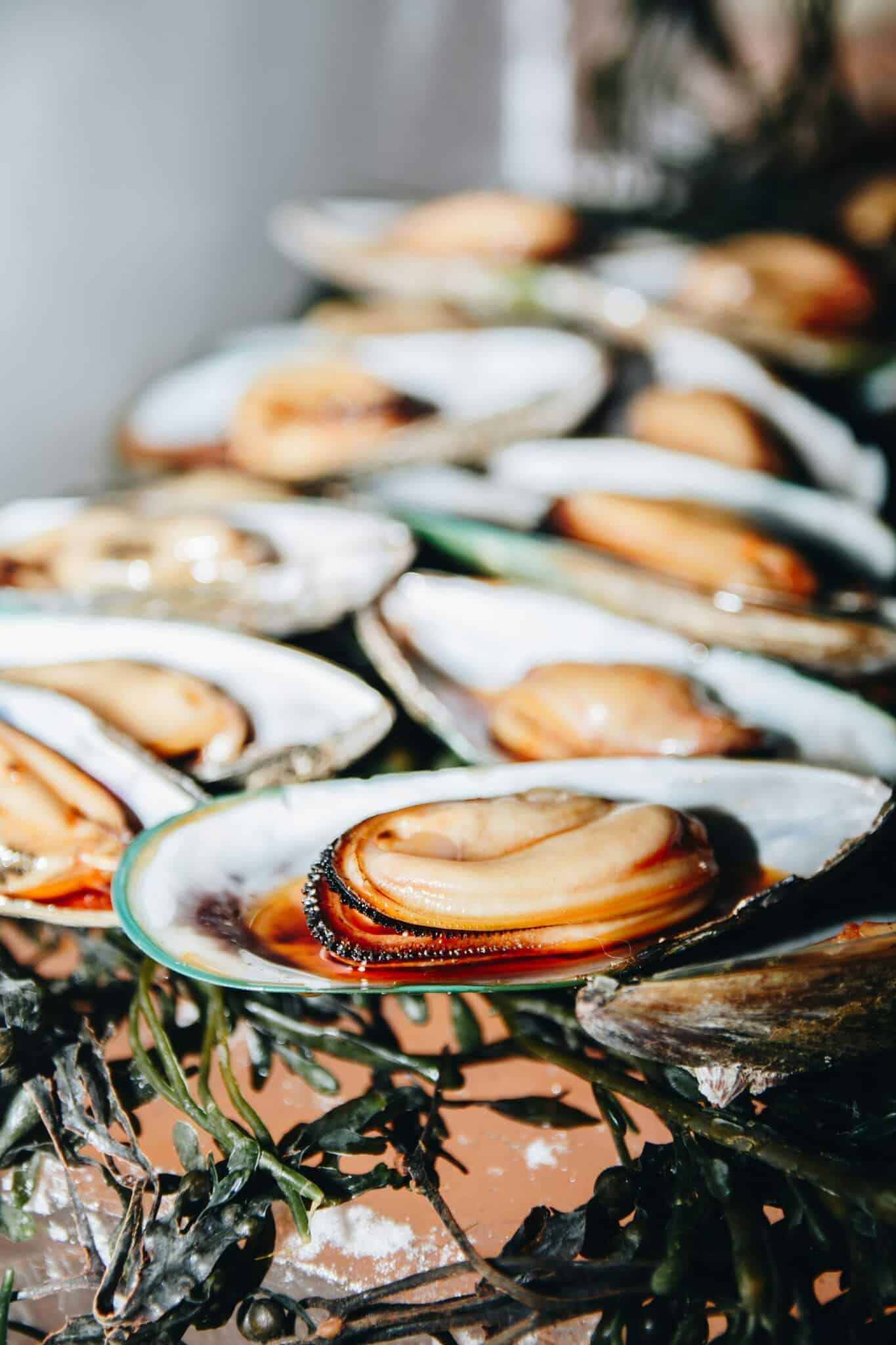
​Microplastic contamination has become pervasive in seafood, posing unprecedented challenges for food safety and marine ecosystems. A 2025 study examining 182 samples of fish and crustaceans from Oregon waters detected plastic particles in 180 samples, a 99% contamination rate. The affected species included pink shrimp, Pacific herring, Chinook salmon, and lingcod, with the highest concentrations found in filter-feeding shrimp. Microfibers from textiles constituted over 80% of the particles identified, followed by fragments and films.  Researchers confirmed these particles migrate from marine organisms’ digestive tracts into edible muscle tissue, directly entering the human food supply.   

Pathways and Prevalence  

Microplastics enter aquatic systems through multiple routes: synthetic clothing shedding fibers in washing machines, degraded plastic waste, and industrial discharge. Once in waterways, they accumulate in zones where plankton, a primary food source for many seafood species, gathers. Filter feeders like shrimp ingest these particles directly, while fish consume contaminated prey, facilitating trophic transfer. Notably, species feeding near the ocean surface show higher contamination levels.  Geographical variability exists, with regions experiencing intense plastic pollution demonstrating heightened risks in seafood.   

Health Implications  

Microplastics carry chemical additives like bisphenols and flame retardants, along with environmental pollutants such as PCBs that adsorb to their surfaces. Peer-reviewed studies associate these particles with potential health risks in humans, including inflammation, cardiovascular events, and disruption of gut microbiota. Particles under 10 micrometers can cross biological barriers, with research detecting them in human blood, placentas, and organs.  While exact health consequences require further study, the European Food Safety Authority emphasizes understanding dose-dependent toxicity and polymer-specific risks.   

Mitigation Efforts  

Current solutions focus on interception technologies and policy interventions:  

  • Filtration systems: NOAA-funded projects are testing washing machine filters capable of capturing 87% of microfibers, while stormwater catch basin installations aim to trap roadway plastic runoff before it reaches oceans.   
  • Certification programs: Labels like GLOBALG.A.P.’s GGN verify sustainable aquaculture practices, responding to consumer demand for transparent sourcing.   
  • Consumer actions: Rinsing seafood reduces surface microplastics introduced during processing. Cold-water washing of synthetic fabrics also decreases fiber shedding.   

According to leading food poisoning law firm Ron Simon & Associates, international initiatives, including the UN’s treaty to end plastic pollution, highlight the growing recognition of this cross-border food safety challenge. 

Share. Facebook Twitter Pinterest LinkedIn Tumblr Email
Avatar photo
Kit Redwine

Kit Redwine is a senior technology sales and media professional with over 20 years of experience and holds an MBA. He is skilled in technology sales, creative engagement, and building strategic relationships in multiple industries. His career is dedicated to helping organizations streamline complex project portfolios and improve workflows. He currently researches and writes weekly articles to inform and create awareness of food safety practices to help prevent foodborne illness caused by pathogens such as Salmonella, Listeria, and E. coli.

Related Posts

A History of Jalapeños: Foodborne Illness Outbreaks Linked to the Spicy Delicacy

August 6, 2026

Chipotle Pulls Jalapeños From Minnesota Restaurants as Salmonella Outbreak Grows to 110

August 4, 2026

Two Deaths Reported in Historic Cyclosporiasis Outbreak; Ron Simon & Associates Represents Hundreds of Victims Nationwide

August 3, 2026

Why Salmonella in Eggs Remains a Persistent Food Safety Challenge

July 30, 2026
Add A Comment
Leave A Reply Cancel Reply

Attorney Advertisement
Ron Simon

Subscribe to Updates

Get the latest food safety recall, outbreak, & investigation news.

Latest Posts

A History of Jalapeños: Foodborne Illness Outbreaks Linked to the Spicy Delicacy

August 6, 2026

Man Eats at Taco Bell, then Loses Job after Falling Ill from Cyclosporiasis

August 6, 2026

Salmonella Javiana – Jalapeno’s at Chipotle

August 5, 2026

Food Poisoning News is a website devoted to providing you with the most current information on food safety, dangerous pathogens, food poisoning outbreaks and outbreak prevention, and food poisoning litigation.

We're social. Connect with us:

Facebook X (Twitter) YouTube
Latest Posts

A History of Jalapeños: Foodborne Illness Outbreaks Linked to the Spicy Delicacy

August 6, 2026

Man Eats at Taco Bell, then Loses Job after Falling Ill from Cyclosporiasis

August 6, 2026

Salmonella Javiana – Jalapeno’s at Chipotle

August 5, 2026
Get Informed

Subscribe to Updates

Get the latest food safety recall, outbreak, & investigation news.

Facebook X (Twitter) YouTube
  • Home
  • About
  • Editorial Standards & Ethics Policy
  • Sourcing & Fact-Checking Policy
  • Corrections & Clarifications Policy
  • Our Authors
  • Medical Disclaimer
  • Legal Disclaimer & Attorney Advertising Notice
  • Privacy Policy
  • Terms of Use
  • Get In Touch
© 2026 Food Poisoning News. Sponsored by Ron Simon & Associates a Houston, TX law firm. Powered by ArmaVita.
Our website and content are for informational purposes only. Food Poisoning News does not provide legal advice, medical advice, diagnosis, or treatment.

Type above and press Enter to search. Press Esc to cancel.