

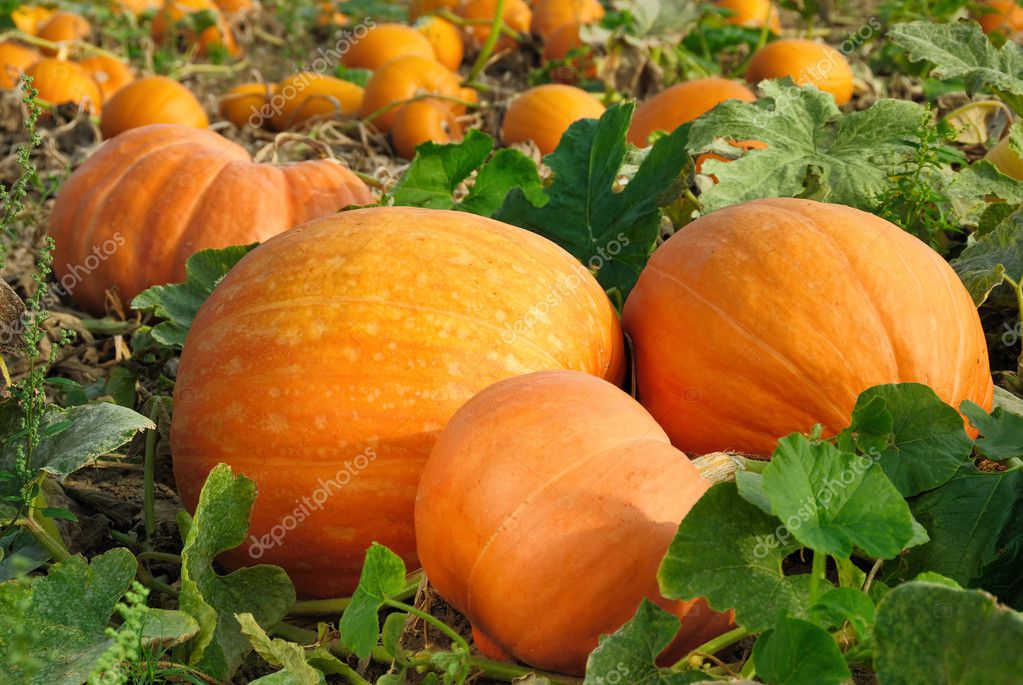

Health officials in Illinois are investigating five confirmed cases of E. coli infection potentially linked to visits to Bengtson’s Pumpkin Farm, a popular fall attraction located in Homer Glen, approximately 30 miles southwest of Chicago.
According to the Will County Health Department, all five individuals tested positive for Shiga toxin-producing Escherichia coli (STEC), a potentially dangerous strain of bacteria capable of causing severe gastrointestinal illness.
The investigation, announced October 23, 2026, is focused on determining whether the infections share a common source and how exposure may have occurred.
As a precautionary measure, Bengtson’s Pumpkin Farm voluntarily closed its petting zoo and is arranging for animal testing. The remainder of the farm remains open to visitors.
Sean Conners, director of Environmental Health at the Will County Health Department, confirmed that farm management has been cooperating with investigators throughout the process.
Although the petting zoo is being examined as a possible source of contamination, officials emphasized that no definitive connection has been established.
E. coli bacteria naturally inhabit the intestines of humans and animals. While most strains are harmless, STEC can cause serious illness through contaminated food, water, surfaces, or direct contact with infected animals.
According to the Centers for Disease Control and Prevention (CDC), symptoms of STEC infection typically include severe abdominal cramps, diarrhea, which may become bloody, and vomiting. Symptoms generally develop three to four days after exposure, although the incubation period can range from one to ten days.
Most individuals recover within approximately one week. However, certain infections can lead to hemolytic uremic syndrome (HUS), a potentially life-threatening complication that can cause kidney failure.
Children younger than five, older adults, and individuals with weakened immune systems are particularly vulnerable to severe complications.
The Will County Health Department is encouraging anyone who visited Bengtson’s Pumpkin Farm on or after September 29 and subsequently experienced gastrointestinal symptoms to complete a confidential health survey.
Individuals experiencing bloody diarrhea, severe abdominal pain, dehydration, or decreased urination should seek medical attention promptly. Petting zoos and other animal attractions can present unique risks for transmitting harmful bacteria, particularly when visitors come into direct contact with livestock. According to the CDC, animals such as goats, sheep, and cattle can carry E. coli without appearing sick. Bacteria may spread through contact with animal feces, contaminated fencing, bedding, or other surfaces within animal enclosures. Young children face an increased risk because they may place their hands or other contaminated objects in their mouths after interacting with animals.
To reduce the risk of infection, the CDC recommends that visitors wash their hands thoroughly with soap and running water immediately after leaving animal exhibits, even if they did not directly touch an animal. Hand sanitizer can be used when handwashing facilities are unavailable, but it is not a substitute for proper handwashing. Visitors should also avoid eating, drinking, or bringing strollers, toys, and other personal items into animal interaction areas. Parents and caregivers should closely supervise children to ensure they follow appropriate hygiene practices.
Health officials also recommend thoroughly washing hands with soap and water after interacting with farm animals or their surroundings, particularly before eating or handling food.
The investigation remains ongoing as officials work to identify the source of the infections and prevent additional illnesses.
