


October 28, 2026
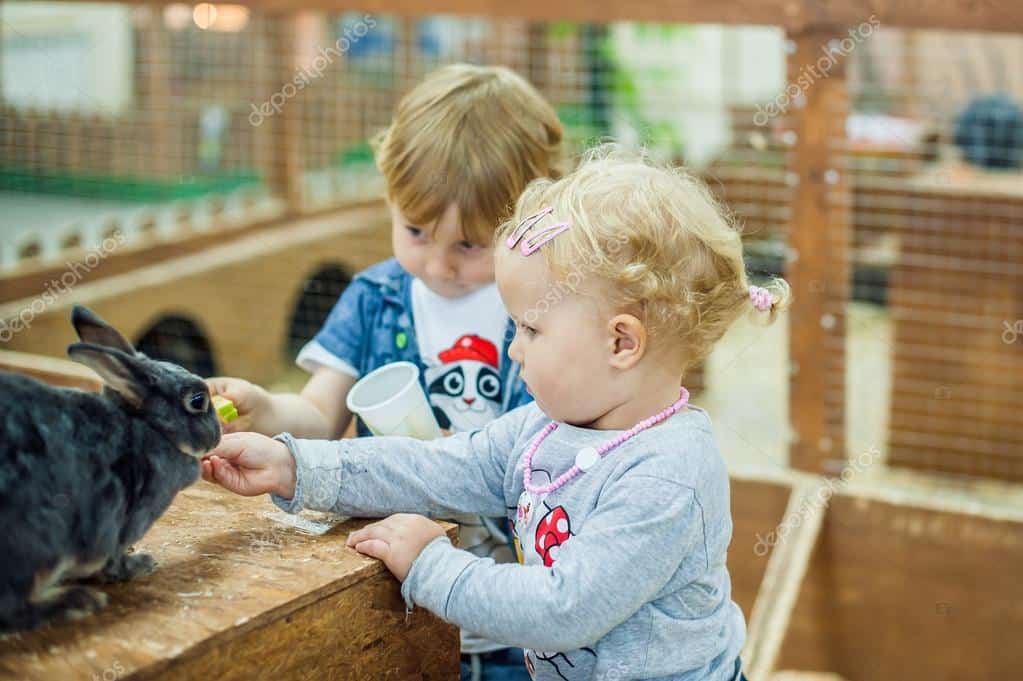
Dallas County health officials are investigating several possible cases of E. coli infections among children, with a potential connection to the petting zoo at the State Fair of Texas. According to an October 27 report from CBS News Texas, as many as seven cases are under investigation, and some children have reportedly required intensive care.
Dallas County Health and Human Services Director Dr. Philip Huang explained that physicians recently notified the department about suspected cases of Shiga toxin-producing E. coli (STEC). The physicians identified a possible common exposure among patients: visits to the State Fair of Texas, particularly its petting zoo.
However, health officials have emphasized that the suspected cases and their connection to the fair have not yet been confirmed. Investigators are reviewing laboratory reports and interviewing affected families to determine the source of the illnesses.
Mary McGonigle-Martin, vice president of Parker’s Promise, a nonprofit organization supporting families of children hospitalized with serious infections, told CBS News Texas that multiple families receiving assistance had visited the petting zoo before their children became sick.
The possible infections have raised concerns about the dangers of STEC, particularly among young children. According to the Centers for Disease Control and Prevention (CDC), symptoms of E. coli infection can include severe abdominal cramping, diarrhea, and vomiting. Certain infections can progress into hemolytic uremic syndrome (HUS), a potentially life-threatening complication that can cause kidney failure.
Children who develop HUS may require hospitalization, dialysis, and extensive medical treatment. Severe cases can also result in long-term health complications.
In a statement reported by FOX 4 Dallas-Fort Worth, the State Fair of Texas expressed concern for affected families and said it was prepared to cooperate with public health officials. The organization also stated that its animal exhibits follow established safety precautions intended to reduce the risk of infection.
As the investigation continues, health officials are working to determine whether the reported illnesses share a common source. The situation highlights the importance of recognizing E. coli symptoms and seeking prompt medical attention when children develop severe gastrointestinal illness.
