


E. Coli 0157:H7 – 9 Hospitlaized
E. coli outbreak at The Kebab Shop: What we know
A multistate E. coli outbreak linked to The Kebab Shop restaurant chain sickened dozens of people across Southern California, triggering investigations by the CDC, FDA, state and local health authorities, and prompting multiple location closures.
HEALTH ALERT
Anyone who ate at The Kebab Shop locations in California and developed symptoms of E. coli infection — particularly bloody diarrhea, severe stomach cramps, or signs of hemolytic uremic syndrome (HUS) — was urged to seek medical care immediately.
At a glance:
- 9+ confirmed illnesses
- More than One location investigated across Southern California
- Confirmed strain: STEC O157:H7
Background: The Kebab Shop
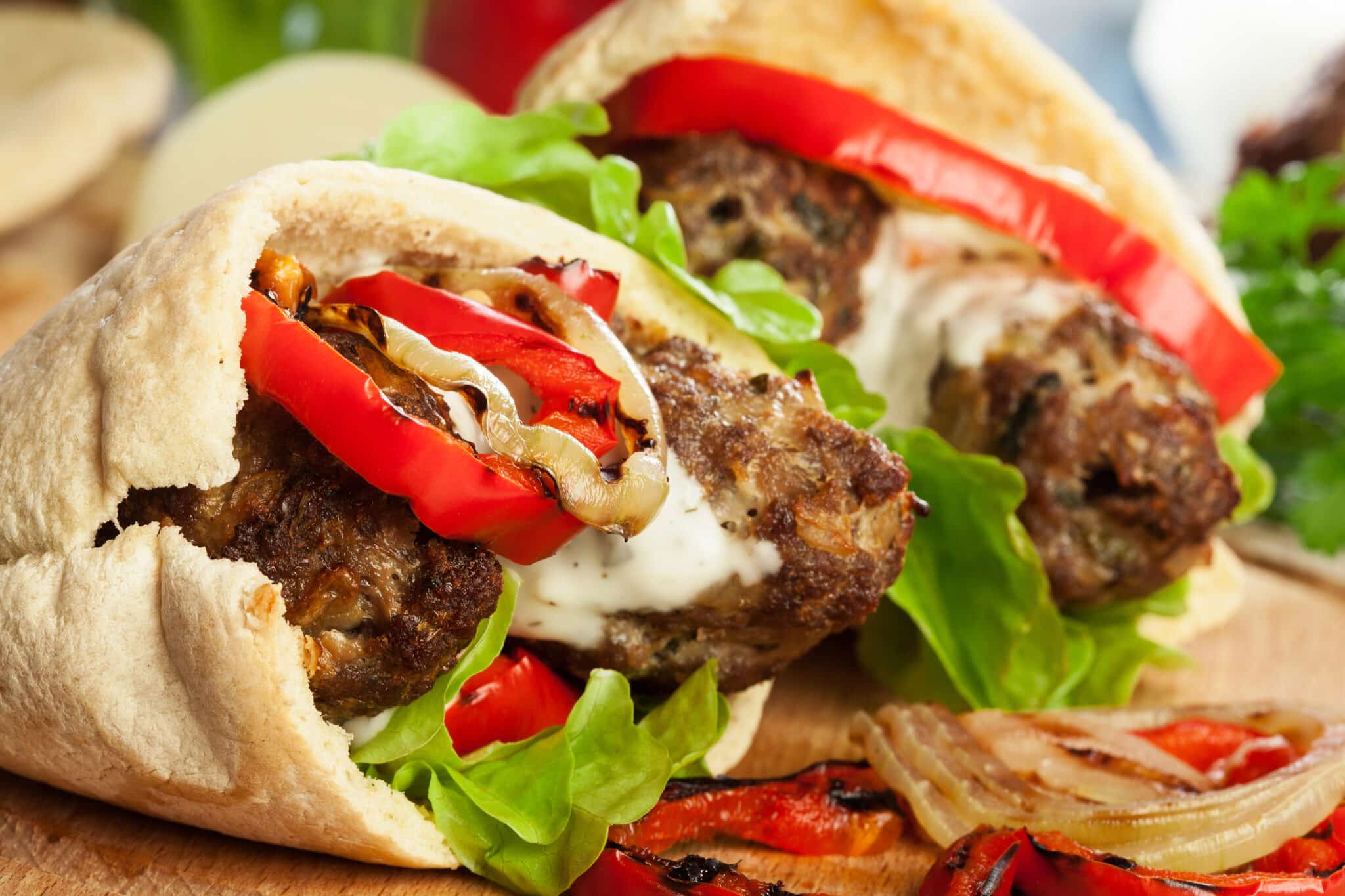
The Kebab Shop is a fast-casual Mediterranean and Middle Eastern restaurant chain with locations concentrated in Southern California, including San Diego, Los Angeles, and Orange County. The chain is known for its kebabs, wraps, and bowls featuring beef, chicken, and lamb served over rice or with flatbread, alongside sauces and fresh toppings. The implicated product appears to be a beef kofta—a seasoned ground beef kebab
The restaurants market themselves on fresh, quality ingredients and a build-your-own format, attracting a loyal following in urban and suburban Southern California markets.
The outbreak: what happened
Health officials first began receiving illness reports from customers who had eaten at The Kebab Shop locations in the spring. The San Diego County Health and Human Services Agency (HHSA), along with the California Department of Public Health (CDPH), opened an investigation after a cluster of E. coli cases was identified in people who had recently dined at the chain.
Epidemiological interviews revealed a common link to The Kebab Shop across multiple affected individuals. Laboratory testing confirmed the presence of Shiga toxin-producing E. coli (STEC), specifically the O157:H7 strain — one of the most dangerous E. coli variants, capable of causing life-threatening kidney complications.
The outbreak was traced to multiple Southern California locations, with San Diego County locations among those investigated. Health officials moved quickly to alert the public as case counts climbed.
Affected locations
Investigators focused on several The Kebab Shop locations in Southern California. While the full list of implicated restaurants shifted as the investigation progressed, locations in the following areas were reported as part of the investigation:
- San Diego — multiple city locations were linked to reported illnesses and examined by county health officials.
- Los Angeles area — locations in the greater LA metro were also identified as part of the multisite cluster.
- Orange County — additional Southern California locations came under scrutiny as the investigation widened.
Several locations were ordered to temporarily close or voluntarily suspended operations during the investigation to allow for thorough inspections, deep cleaning, and food safety audits. [Note: E. coli lawsuits filed by Ron Simon]
The pathogen: E. coli O157:H7
The strain at the center of this outbreak, STEC O157:H7, is considered one of the most medically serious forms of E. coli. Unlike common E. coli that lives harmlessly in the gut, this strain produces Shiga toxins that can damage the intestinal lining and, in severe cases, the kidneys.
The infection typically begins with severe stomach cramps followed by diarrhea that may become bloody within one to three days. Most healthy adults recover within five to seven days. However, a dangerous complication called hemolytic uremic syndrome (HUS) can develop in roughly 5 to 10 percent of infected individuals — particularly children under five, the elderly, and immunocompromised people. HUS can cause acute kidney failure and, in rare cases, death.
The infectious dose for O157:H7 can be extremely low — fewer than 100 organisms may be sufficient to cause illness — making it particularly dangerous in food service settings where cross-contamination can spread widely.
Suspected source
Investigators worked to identify the specific food source responsible for the contamination. At fast-casual Mediterranean restaurants, common high-risk foods associated with E. coli outbreaks include:
- Undercooked or improperly handled ground beef or beef kebabs
- Fresh toppings such as lettuce, tomatoes, or onions that may have been cross-contaminated
- Sauces, spreads, or house-made condiments prepared in shared environments
- Contaminated produce at the supplier level — a common origin in multistate outbreaks
Investigators from the FDA and CDC worked with the chain’s management to trace ingredients back through the supply chain. The döner-style rotating meat preparation was a focus of scrutiny, as this style of cooking can result in uneven internal temperatures if not managed correctly.
Regulatory response
San Diego County environmental health officials conducted inspections of implicated locations. Inspectors reviewed food handling practices, temperature logs, employee hygiene protocols, meat sourcing records, and kitchen sanitation procedures.
The California Department of Public Health issued public notifications advising recent customers to monitor themselves for symptoms. The CDC added the outbreak to its national foodborne illness tracking system, allowing epidemiologists to determine whether additional cases outside California were connected to the same source.
Health officials reported coordination between local, state, and federal authorities — a standard protocol for multisite foodborne outbreaks that cross county or state lines.
The Kebab Shop’s response
The Kebab Shop’s management cooperated with health investigators. The company announced temporary closures at implicated locations and stated that it was taking the situation seriously, working to identify any internal points of failure in food preparation or ingredient sourcing.
The chain pledged enhanced sanitation, staff retraining on food safety protocols, and a review of supplier practices. Representatives expressed concern for those sickened and urged anyone who had experienced symptoms after dining at the restaurant to contact their local health department.
Symptoms and when to seek care
KNOW THE WARNING SIGNS
• Severe stomach cramps (often sudden onset)
• Diarrhea that may turn bloody within 1–3 days
• Vomiting (less common)
• Fever (usually low-grade; high fever is uncommon)
• Signs of HUS: decreased urination, pale skin, extreme fatigue — requires emergency care
Symptoms of STEC infection typically begin three to four days after exposure, though the incubation period can range from one to ten days. People who develop bloody diarrhea or signs of HUS should seek emergency medical care immediately. Antibiotics are generally not recommended for STEC O157:H7 infection, as they may increase the risk of HUS.
Broader context: E. coli at restaurants
E. coli O157:H7 outbreaks at restaurants are not uncommon in the United States, though they remain relatively rare given the scale of the food service industry. Past high-profile outbreaks at Chipotle Mexican Grill (2015), Jack in the Box (1993), and various produce suppliers have underscored the difficulty of keeping E. coli out of commercial food chains.
The rotating döner-style meat preparation used by kebab restaurants has been associated with E. coli outbreaks in Europe — particularly in the United Kingdom and Germany — where regulatory guidance on internal cooking temperatures for döner meat is more specific. American health regulations are generally written around whole muscle cuts and ground beef patties, and may not always address the particular risks of layered, rotisserie-style meat columns.
Industry food safety experts note that cross-contamination — rather than inadequate cooking temperatures — is often the culprit in restaurant E. coli clusters, particularly when raw meat handling stations are in proximity to fresh toppings, sauces, or ready-to-eat foods.
What to do if you ate at The Kebab Shop
Health officials advised anyone who dined at a Southern California Kebab Shop location and developed gastrointestinal symptoms within 10 days to contact their doctor or the local health department, even if symptoms had resolved.
According to national E. coli lawyer Ron Simon: “People who became ill were asked to report their illness to their county health department and, if possible, provide a stool sample for laboratory testing. This helps investigators confirm case counts and identify the outbreak’s source with greater precision.” He then recommends ongoing medial treatment to make sure that this potentially deadly disease, especially for children, is monitored carefully.
As a general precaution during any active restaurant-linked E. coli investigation, health officials typically advise avoiding the implicated establishment until it has been cleared by inspectors and officially reopened.
Investigation status
As of reporting, the investigation was ongoing. Health authorities continued to interview newly identified cases, trace food supply chains, and conduct environmental testing at affected locations. The ultimate source — whether a contaminated ingredient in the supply chain or a food handling failure within the restaurants — had not been definitively confirmed publicly at the time of initial reporting.
Updates were expected from the San Diego County HHSA, the California Department of Public Health, and the CDC as the investigation progressed. Note: See other E.coli outbreak where lawsuit was filed in California by Ron Simon
