


For generations, people have trusted their noses to detect spoiled food. Modern bacteria are proving that instinct is dangerously unreliable.
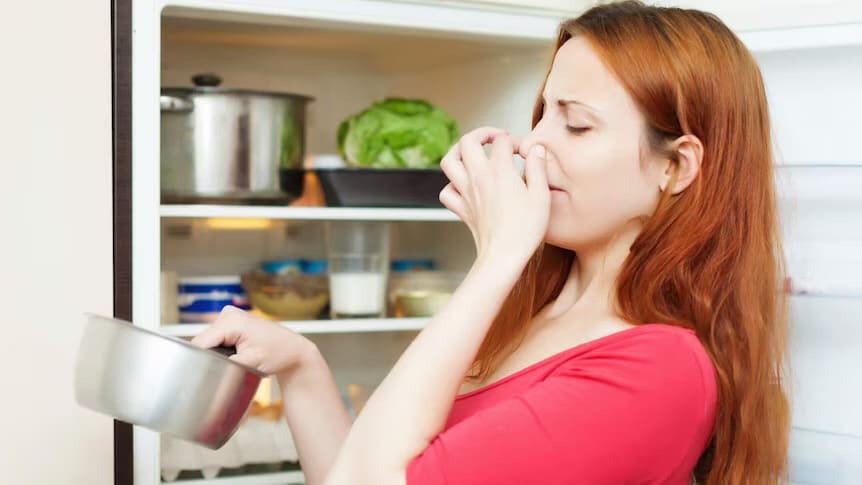
Most people have done it automatically for years without ever questioning whether it actually works. You open the refrigerator, grab a carton of milk, leftovers from two nights ago, or a package of deli meat that has been sitting in the drawer a little longer than you planned. Before taking a bite, you pause and smell it. If the odor seems sour, rotten, or strange, it gets thrown away immediately. If it smells normal, most people assume it is safe enough to eat. The habit feels logical because humans are wired to trust their senses. Smell has long acted as a survival instinct, warning people away from decay, rot, and contamination. The problem is that modern foodborne illness does not always announce itself the way people think it should. Some of the most dangerous bacteria capable of causing severe food poisoning have little to no smell at all.
That reality is part of why foodborne illness remains such a widespread public health problem despite advances in refrigeration, food packaging, sanitation, and medical care. According to the Centers for Disease Control and Prevention, roughly 48 million Americans develop foodborne illness each year, leading to approximately 128,000 hospitalizations and 3,000 deaths. What makes many of these illnesses especially deceptive is how normal the contaminated food often appears beforehand. Victims regularly describe meals as tasting completely fine. Nothing smelled spoiled. The texture looked normal. The food appeared fresh enough that nobody at the table hesitated before eating it. Hours later, however, the nausea, cramps, vomiting, fever, and diarrhea begin, leaving people wondering how something that seemed perfectly safe could make them so sick.
One of the biggest misconceptions surrounding food safety is the belief that spoilage and contamination are the same thing. In reality, they are often completely different processes. Spoilage bacteria are the microorganisms responsible for creating the odors, slime, discoloration, and texture changes people associate with rotten food. These bacteria break food down over time, creating chemicals humans can smell easily. Pathogenic bacteria, however, behave differently. Harmful pathogens such as Salmonella, E. coli, Listeria monocytogenes, and Campylobacter frequently contaminate food without causing noticeable changes in smell, taste, or appearance. According to the CDC, food contaminated with dangerous germs can still look, smell, and taste completely normal, which is precisely what makes foodborne illness so difficult to detect before it is too late.
Modern food systems have made this disconnect even more dangerous because food now stays visually appealing far longer than people expect. Refrigeration slows visible decay dramatically. Packaging technology is designed to preserve texture, moisture, and appearance. Grocery stores carefully maintain lighting and temperatures that keep products looking fresh for extended periods of time. As a result, consumers have become increasingly reliant on appearance as proof of safety, even though bacteria do not follow the same rules as visual spoilage. A bagged salad can remain crisp while carrying E. coli contamination introduced during harvesting or processing. A package of deli meat may appear freshly sliced while containing Listeria capable of causing severe illness. Milk may smell acceptable despite bacterial growth that has already reached dangerous levels. The absence of odor simply does not guarantee the absence of pathogens.
Leafy greens have become one of the clearest examples of how misleading visual freshness can be. Many people still instinctively associate food poisoning with undercooked chicken or visibly spoiled meat, yet major outbreaks linked to lettuce, spinach, onions, cucumbers, and sprouts have repeatedly sickened thousands of people across the United States. Produce presents a unique problem because it is often consumed raw, meaning there is no cooking step capable of killing bacteria before consumption. Contamination can occur through irrigation water, soil, animal waste, transportation systems, processing equipment, or handling during packaging. By the time the product reaches someone’s refrigerator, the lettuce may appear perfectly healthy despite carrying harmful pathogens invisible to the naked eye. Unlike spoiled meat, contaminated produce rarely sends obvious warning signals before illness begins.
The same issue exists with leftovers sitting in refrigerators across the country every day. Many people rely almost entirely on smell when deciding whether stored food is still safe to eat. If pasta, rice, soup, chicken, or takeout leftovers smell normal after several days, they are often reheated and eaten without much concern. Yet bacteria multiply based on temperature and time, not human perception. According to the USDA, food left in the “danger zone” between 40 and 140 degrees Fahrenheit allows bacteria to grow rapidly, sometimes reaching dangerous levels long before spoilage becomes noticeable. A tray of food sitting out during a party, a delivery order left unrefrigerated too long, or leftovers forgotten in a car for a few hours may already be unsafe even if they smell perfectly acceptable afterward.
Rice has become one of the best-known examples of this phenomenon because of a bacteria called Bacillus cereus. This organism produces heat-resistant spores capable of surviving the cooking process. When cooked rice sits at room temperature too long, those spores can grow and produce toxins that reheating may not fully destroy. Someone microwaving leftover rice the next day may believe steaming-hot food automatically means safe food, especially if nothing smells unusual. However, the danger often comes from toxins already created earlier during improper storage. The food may look identical to freshly cooked rice while carrying enough bacterial toxins to trigger severe vomiting and gastrointestinal illness within hours.
One of the most concerning pathogens in modern food safety discussions is Listeria monocytogenes because it behaves differently than many other bacteria. Unlike organisms slowed significantly by refrigeration, Listeria can continue growing even in cold environments. According to the CDC, refrigerated ready-to-eat foods such as deli meats, smoked seafood, and soft cheeses are among the products most commonly associated with Listeria contamination. What makes the bacteria particularly dangerous is that contaminated food may still appear and smell entirely normal. There may be no visible mold, sour odor, or obvious sign of spoilage before serious illness develops.
For pregnant women, older adults, cancer patients, transplant recipients, and immunocompromised individuals, the consequences can become especially severe. The CDC warns that Listeria infections during pregnancy may cause miscarriage, stillbirth, premature delivery, or life-threatening newborn infections, even when the mother experiences only mild flu-like symptoms herself. This disconnect between appearance and danger is part of what makes foodborne illness so psychologically deceptive. People naturally trust their senses because they want certainty, especially when deciding whether to throw food away. Smelling food feels practical. It feels cautious. But bacteria do not operate according to what humans can detect easily.
The emotional side of food waste also influences how people use the smell test. Throwing away groceries feels expensive, especially as food prices continue rising nationwide. Many people convince themselves that food is probably safe because wasting it feels financially frustrating. The smell test becomes less of a scientific evaluation and more of an emotional reassurance. If leftovers smell normal, people feel justified keeping them. If milk does not smell sour yet, they assume another day or two is fine. In many cases, they are correct. In others, they are unknowingly gambling against microorganisms they cannot see, smell, or taste.
Cross-contamination creates another layer of invisible risk people rarely consider. Food poisoning often begins not because food was obviously spoiled, but because bacteria silently spread throughout kitchens during preparation. A cutting board used for raw chicken may not be sanitized completely before vegetables are chopped on the same surface. Kitchen sponges can carry dangerous bacteria for days. Refrigerator handles, sink drains, reusable grocery bags, and countertops may all become contaminated without producing any noticeable odor. Restaurant outbreaks frequently originate from similarly subtle mistakes involving improper handwashing, contaminated equipment, or small refrigeration failures. Customers eating the food rarely notice anything suspicious because contamination itself is usually microscopic.
Social media has complicated food safety even further by normalizing risky behaviors under the guise of convenience, aesthetics, or wellness culture. Viral videos frequently encourage people to eat undercooked foods, ignore expiration dates, or trust appearance alone when evaluating safety. Some influencers dismiss traditional food safety recommendations as overly cautious, encouraging followers to rely on instinct instead. Meanwhile, foods marketed as “organic,” “clean,” or “natural” sometimes create a false sense of security among consumers who assume healthier branding somehow means lower contamination risk. In reality, bacteria do not care whether food is organic, locally sourced, preservative-free, or sold at a luxury grocery store. Pathogens spread through water, soil, processing equipment, transportation systems, animal exposure, and human handling regardless of branding.
One of the most unsettling aspects of foodborne illness is how ordinary it often begins. Families sit down for dinner expecting a normal evening. Students reheat leftovers between classes. Coworkers eat catered lunches during meetings. Travelers grab prepared meals at airports or gas stations without thinking twice. The food looks normal because contaminated food often does. Then symptoms begin several hours later, sometimes mildly at first before escalating quickly into severe vomiting, dehydration, fever, or diarrhea. In more serious cases, foodborne illness can lead to kidney damage, bloodstream infections, neurological complications, or long-term gastrointestinal disorders that continue long after the initial infection ends.
According to the National Library of Medicine, certain foodborne pathogens can trigger complications lasting months or even years after the original illness resolves. Some patients develop reactive arthritis. Others experience chronic digestive problems, post-infectious irritable bowel syndrome, or kidney complications linked to bacterial toxins. Yet before becoming seriously ill, many victims likely believed they were making a reasonable decision based on smell, appearance, or taste. The danger was never obvious at that moment.
The smell test itself is not completely useless. Spoiled odors absolutely can indicate food has gone bad and should not be eaten. Sour milk, rotten meat, and mold-covered leftovers should still be discarded immediately. The problem is that many people treat the absence of smell as proof of safety when it is not. Smell can sometimes identify spoilage, but it cannot reliably detect dangerous pathogens. Modern food safety depends far more on proper refrigeration, temperature control, handwashing, avoiding cross-contamination, cooking foods thoroughly, and understanding how long products have been stored than it does on trusting instinct alone.
Perhaps that is what makes foodborne illness so unsettling in the first place. People want danger to feel obvious. They want spoiled food to smell rotten, contaminated meals to taste strange, and unsafe products to come with unmistakable warning signs. But bacteria are not obligated to make themselves known before causing harm. In many cases, the most dangerous foods are the ones that appear completely ordinary right up until the moment symptoms begin. The refrigerator smell test may feel reassuring, but in modern kitchens, reassurance and safety are no longer always the same thing.
