

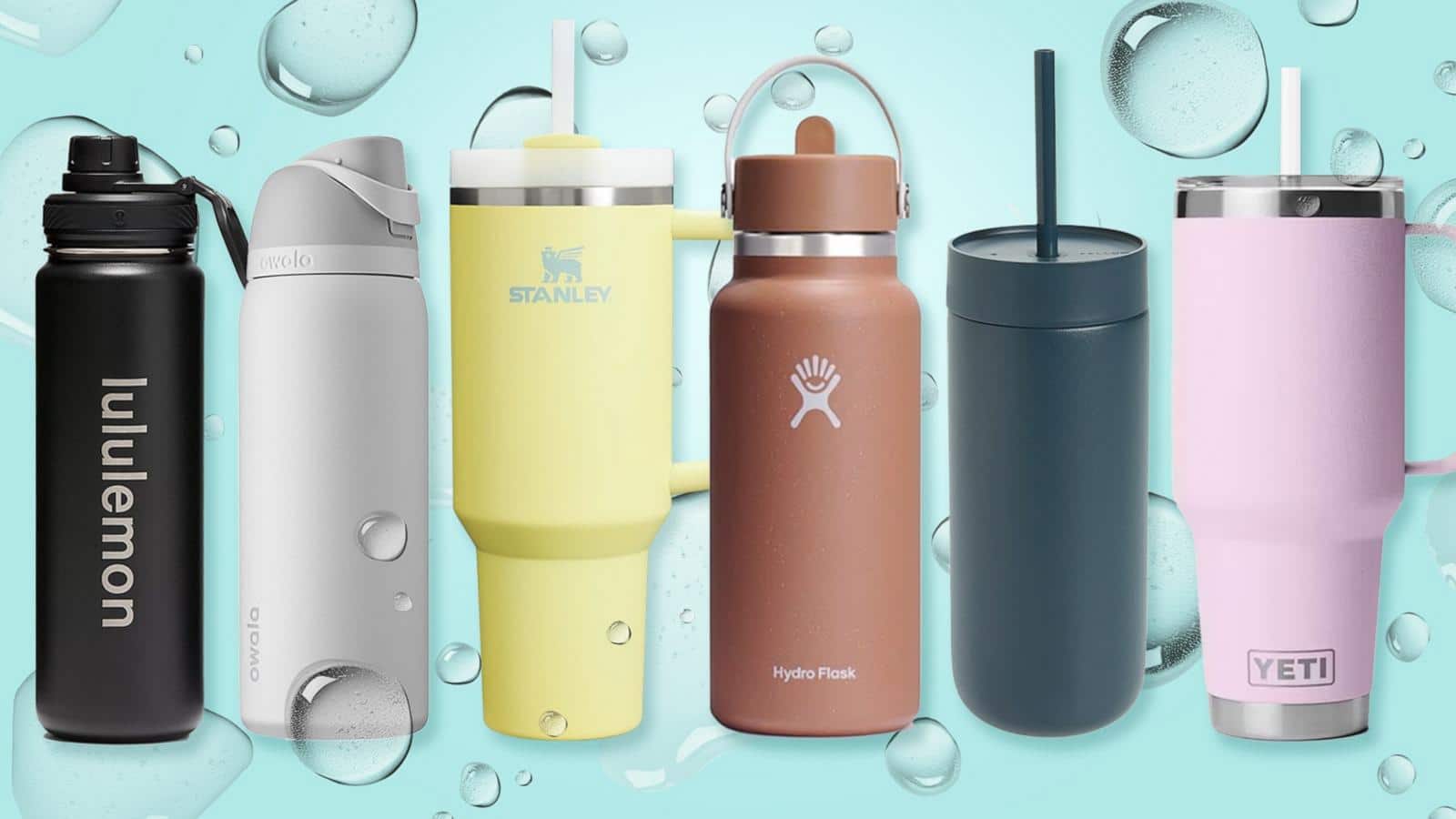

The viral hydration trend has created an overlooked hygiene problem that microbiologists say many people underestimate.
Reusable water bottles have become part of modern identity as much as convenience. People carry them everywhere now: clipped onto backpacks in airports, sitting beside treadmills at the gym, rolling around in the passenger seat of hot cars, balanced on office desks, packed into college dorm rooms, and carried through schools by students trying to meet daily hydration goals. In recent years, oversized insulated tumblers like Stanley Cups have transformed from simple drink containers into cultural accessories. Entire social media pages revolve around them. People collect colors, accessories, and custom straws the way previous generations collected handbags or sneakers. Hydration has become aestheticized, branded, and publicly displayed.
But beneath the polished stainless steel, pastel colors, and wellness marketing sits a much less glamorous reality. Many reusable bottles are significantly dirtier than their owners realize.
The issue is not the bottle itself. It is what happens after repeated use. Water bottles are exposed constantly to saliva, food particles, hand bacteria, moisture, heat, and dark enclosed environments that allow microorganisms to thrive. Most people rinse their bottles casually and assume that is enough. Some forget to wash them for days at a time. Others refill them repeatedly without ever fully disassembling lids, straws, seals, or mouthpieces where bacteria quietly accumulate out of sight. The result is an environment microbiologists say can become ideal for bacterial growth, mold formation, and biofilm development.
One of the reasons reusable bottles become contaminated so easily is because the human mouth contains enormous amounts of bacteria naturally. According to the National Institutes of Health, the human oral microbiome contains hundreds of different bacterial species, many of which are harmless under normal circumstances but still transfer easily onto surfaces through drinking. Every sip introduces saliva back into the container. Once bacteria enter the moist interior of a bottle, they encounter an environment perfectly suited for survival, especially when residue from coffee, protein shakes, juice, flavored drinks, or energy drinks remains inside.
Moisture plays a major role in the problem. Bacteria thrive in damp environments, particularly enclosed spaces with limited airflow. Straw lids and flip-top mouthpieces are especially concerning because they trap moisture in small crevices that are difficult to clean thoroughly. Silicone seals, rubber gaskets, and narrow straws often remain wet long after the rest of the bottle appears dry. That lingering moisture allows bacteria and mold to continue growing quietly between uses.
The danger increases when bottles travel everywhere with their owners. Reusable tumblers are constantly exposed to contaminated surfaces most people rarely think about. They sit on public gym floors, bathroom counters, classroom desks, grocery carts, airport trays, and cupholders coated with dust and spilled drinks. Hands touch door handles, phones, shopping carts, gas pumps, and gym equipment before touching bottle lids and straws moments later. Every interaction transfers microorganisms onto surfaces that eventually reach someone’s mouth again.
This constant cycle of contamination and reuse has become so normalized that many people never stop to question how clean their bottles actually are. The outside may look spotless while the inside develops bacterial buildup invisible to the naked eye. One of the biggest misconceptions surrounding reusable bottles is the assumption that if a bottle only contains water, it stays clean automatically. In reality, bacteria do not require sugary liquids to survive. Saliva alone introduces enough microorganisms to begin colonization, particularly when bottles remain closed and damp for extended periods.
Researchers studying reusable bottle contamination have repeatedly found significant bacterial growth on lids, straws, and mouthpieces. Some studies examining reusable drinking containers have identified bacteria commonly associated with human skin, oral bacteria, environmental contamination, and even fecal bacteria transferred indirectly through hand contact. The issue becomes less about one specific dangerous organism and more about the overall microbial environment being created inside containers people place directly against their mouths every day.
Biofilms make the situation even more concerning. Biofilms are thin layers of microorganisms that cling to surfaces and create protective communities resistant to simple rinsing. According to the National Library of Medicine, biofilms allow bacteria to survive in moist environments by forming structures that become increasingly difficult to remove over time. Once biofilms develop inside bottle lids, straws, or seals, simply swishing water through the bottle does little to eliminate them completely. This is one reason some bottles develop lingering odors despite repeated rinsing. The smell often reflects bacterial buildup already established inside tiny areas users cannot easily reach.
Many people underestimate biofilms because contamination rarely looks dramatic at first. Mold is not always visibly fuzzy. Bacteria are microscopic. A bottle may appear perfectly clean while harboring millions of microorganisms inside its lid or straw mechanism. In some cases, people only realize contamination exists after developing a sour smell, black residue around seals, discoloration under gaskets, or a persistent bad taste they cannot explain.
The rise of wellness culture has unintentionally amplified this issue. People are carrying reusable bottles more frequently than ever before in the name of hydration, fitness, and health optimization. Influencers encourage followers to drink enormous amounts of water daily while showcasing oversized tumblers as lifestyle staples. Yet discussions about properly sanitizing these bottles rarely receive the same attention. Consumers focus heavily on water intake while often ignoring the hygiene practices necessary to keep the containers themselves safe.
Gym environments create especially ideal conditions for contamination. Water bottles in fitness centers are constantly exposed to sweat, shared surfaces, locker rooms, and warm temperatures. Bottles often sit sealed inside gym bags for hours after workouts while moisture remains trapped inside. Protein shakes introduce even greater risk because protein residue feeds bacterial growth rapidly if containers are not washed thoroughly soon afterward. Many people have experienced opening an old shaker bottle only to encounter an overwhelming smell caused by bacterial buildup that developed over time inside trapped residue.
College dorms present another perfect environment for reusable bottle contamination. Students carry bottles across campuses all day, refill them repeatedly, and often wash them inconsistently because of busy schedules or limited access to convenient cleaning spaces. Tumblers may sit overnight beside beds, inside backpacks, or in hot cars while moisture and bacteria continue accumulating. Shared sinks and communal bathrooms further complicate sanitation practices. A bottle repeatedly exposed to dorm life can accumulate contamination far beyond what most students realize.
Heat dramatically worsens the problem. Warm temperatures accelerate bacterial growth, which is why bottles left inside hot vehicles become especially concerning. A reusable cup forgotten in a car during summer can quickly become an incubator for microorganisms thriving in residual moisture. Even if the bottle only contained water initially, bacteria transferred through saliva may continue multiplying rapidly once exposed to heat.
While many healthy adults may never develop serious illness from their reusable bottles, certain groups face greater risk. Children, older adults, and immunocompromised individuals are more vulnerable to infections caused by contaminated surfaces and bacteria exposure. People recovering from illness, undergoing chemotherapy, or living with weakened immune systems may be more susceptible to pathogens that healthy individuals tolerate more easily. Mold exposure can also trigger respiratory irritation or allergic reactions in sensitive individuals.
The comparison between reusable bottles and toilet seats has gained attention online largely because it is shocking, but the underlying issue is rooted in how bacteria are measured. Toilet seats are often cleaned regularly and remain relatively dry, conditions less favorable for bacterial growth than moist enclosed environments. Reusable bottle lids, straws, and seals, by contrast, combine warmth, moisture, saliva exposure, and frequent hand contact, creating conditions where bacterial levels can climb surprisingly high if cleaning is neglected.
According to the CDC, proper hand hygiene remains one of the most important defenses against spreading harmful bacteria and viruses. Yet many people wash their hands inconsistently before touching bottle lids or drinking spouts throughout the day. Phones, another notoriously contaminated object, frequently touch the same hands that later handle reusable bottles. The contamination chain becomes constant and almost impossible to notice in real time because bacteria themselves remain invisible.
One of the most overlooked parts of reusable bottle hygiene is how poorly many people clean the lids themselves. Bottles may be rinsed quickly while the lid receives only superficial attention. However, the lid is often where the highest concentration of bacteria accumulates because it experiences the most direct contact with saliva and hands. Straw openings, sliding covers, silicone valves, and rubber seals create tiny spaces where moisture remains trapped and airflow stays limited. Without regular deep cleaning, these areas become ideal environments for microbial growth.
Dishwashers help, but even they are not always enough if bottles are not fully disassembled beforehand. Some lids contain multiple removable parts users never realize exist. Hidden moisture trapped beneath seals or inside straw compartments can allow bacteria and mold to persist despite routine washing. Experts generally recommend daily cleaning for reusable bottles used regularly, particularly those containing anything besides plain water.
The emotional side of reusable bottle culture is interesting because these products are marketed as symbols of health. People associate them with wellness, exercise, discipline, and self-care. Carrying a large water bottle signals responsibility and healthy habits. That image makes it psychologically difficult for consumers to view the bottles themselves as potential contamination sources. Yet hygiene is part of health too, and reusable products only remain beneficial when maintained properly.
None of this means reusable bottles are inherently dangerous or should be abandoned altogether. In many ways, they are far better for the environment than disposable plastics and can encourage healthier hydration habits. The issue is not the existence of reusable bottles. The issue is the false assumption that repeated reuse without consistent sanitization carries little risk.
The modern obsession with hydration has unintentionally created a strange contradiction. People have become more conscious than ever about what they put inside their bodies while sometimes paying less attention to the surfaces delivering it. A reusable bottle may look polished and aesthetically perfect sitting beside a laptop or clipped to a gym bag, but appearance says very little about what may be growing inside the lid after days of repeated use.
Bacteria do not care whether a tumbler costs ten dollars or seventy. They do not care whether the bottle belongs to a fitness influencer, a college student, or a commuter trying to drink more water during the workday. Microorganisms respond to moisture, warmth, time, and opportunity. And inside many reusable bottles carried around every day, they find all four.
