

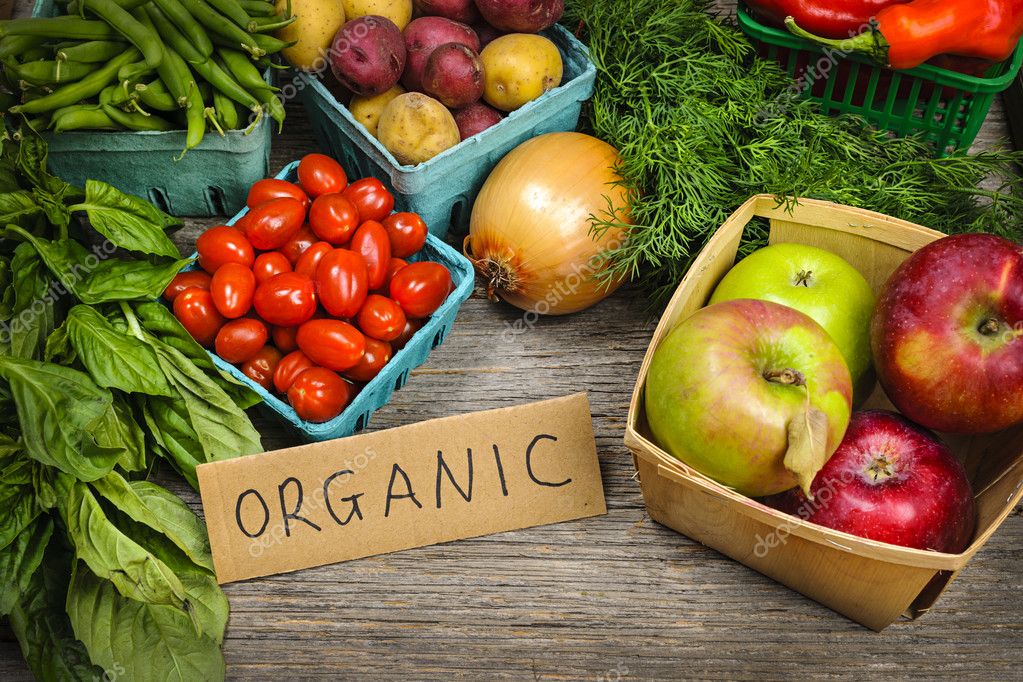

Organic food has become synonymous with health, purity, and safety in the minds of many consumers. Grocery stores prominently display organic labels, often at a premium price, and consumers frequently choose them believing they are less likely to cause illness. One of the most common assumptions is that organic foods carry a lower risk of food poisoning compared to conventionally produced foods. However, when examined scientifically, the relationship between organic food and foodborne illness is far more nuanced—and sometimes counterintuitive.
What “Organic” Actually Means
The term “organic” refers to how food is produced, not how safe it is. Organic farming typically avoids synthetic pesticides, fertilizers, genetically modified organisms (GMOs), and routine antibiotic use in livestock. These practices are regulated (e.g., by the USDA in the U.S.), but importantly, food safety is not the defining feature of organic certification.
This distinction is critical: pathogens like Salmonella, E. coli, and Listeria are biological contaminants that can affect any food regardless of farming method.
Are Organic Foods Less Likely to Cause Food Poisoning?
The Evidence: No Clear Advantage
Large systematic reviews and meta-analyses have consistently found that organic foods are not significantly less likely to be contaminated with harmful bacteria.
- A major review of over 200 studies found no meaningful difference in bacterial contamination rates between organic and conventional foods.
- Contamination with pathogens like Salmonella and E. coli occurs at similar rates across both categories.
In practical terms, this means:
- Organic lettuce can carry E. coli
- Organic chicken can carry Salmonella
- Organic eggs can still cause food poisoning
Pathogens are “equal opportunity contaminators”—they do not distinguish between organic and conventional farming systems.
A deeper look at consumer perception reveals that the belief in the superior safety of organic foods is driven more by psychology and marketing than by microbiological evidence. The “halo effect” associated with the word “organic” often leads people to assume that these foods are cleaner, healthier, and inherently less risky, even though foodborne pathogens operate independently of farming labels. Studies in risk perception have shown that consumers tend to conflate chemical safety (such as pesticide exposure) with biological safety (such as bacterial contamination), even though these are fundamentally different issues. While organic standards do reduce exposure to certain synthetic chemicals, they do not eliminate the presence of microorganisms that cause foodborne illness. In fact, because organic farming systems rely more heavily on natural processes, including the use of composted manure and outdoor exposure, they may introduce variability in microbial risk that is less predictable than in highly controlled conventional systems. Additionally, consumer behavior can unintentionally increase risk when people treat organic foods as “safer” and therefore handle them less cautiously—for example, by skipping thorough washing of produce or being less vigilant about cross-contamination in the kitchen. This false sense of security can undermine basic food safety practices, which are the most critical factors in preventing illness. It is also important to recognize that contamination events are often systemic rather than farm-specific, occurring during large-scale processing, packaging, or distribution stages where organic and conventional products may share infrastructure. As a result, outbreaks linked to pathogens like Salmonella, E. coli, or Listeria have involved both organic and non-organic foods, reinforcing the idea that safety risks are embedded in the broader food system rather than confined to one production method. Ultimately, understanding the distinction between production practices and microbial safety is essential for making informed food choices. Consumers benefit more from focusing on proper handling, storage, and preparation techniques than from relying on labels as indicators of safety, especially when those labels were never designed to address foodborne illness risk in the first place.
Why Organic Foods Can Still Be Contaminated
1. Exposure to Natural Sources of Bacteria
Organic farming often relies on natural fertilizers such as composted or raw manure, which can contain pathogens if not properly treated.
- Manure is a known source of E. coli and Salmonella
- If composting is incomplete or improperly managed, bacteria can survive and contaminate crops
This is one of the main biological risks in organic agriculture.
2. Environmental Exposure
All food—organic or not—is grown in environments where contamination is possible:
- Soil
- Water sources
- Wildlife (birds, rodents, insects)
Because organic farming often uses fewer chemical interventions, crops may be more exposed to natural microbial hazards.
3. Post-Harvest Handling
Contamination frequently occurs after food leaves the farm, during:
- Processing
- Transport
- Storage
- Retail handling
Organic foods go through the same supply chains as conventional foods, meaning they face similar risks.
4. Washing and Sanitization Differences
Some conventional food processing uses antimicrobial washes (e.g., chlorine solutions) to reduce contamination. Organic regulations may limit certain sanitization methods, potentially increasing cross-contamination risk in some cases.
Are Organic Foods Ever More Risky?
Some research suggests that organic foods may, in certain contexts, carry equal or slightly higher microbiological risk:
- A study analyzing U.S. food recalls found organic foods had higher recall rates, particularly related to contamination (process risk).
- This does not mean organic food is unsafe, but it challenges the perception that it is inherently safer.
Where Organic Foods Do Differ
While food poisoning risk is similar, there are some differences:
Lower Pesticide Residues
Organic foods generally have lower pesticide levels, which is one of their primary benefits.
Lower Antibiotic-Resistant Bacteria
Organic animal products may have lower levels of antibiotic-resistant bacteria, since antibiotics are not routinely used in organic farming.
However, these differences relate more to long-term health concerns, not acute food poisoning risk.
Common Misconceptions
Myth 1: Organic = Safer
Reality: Organic foods are not inherently safer from pathogens.
Myth 2: Organic Means “Chemical-Free”
Reality: Organic farming still uses approved pesticides and treatments—just different ones.
Myth 3: Organic Prevents Foodborne Illness
Reality: Proper handling, cooking, and hygiene matter far more than whether food is organic.
How Food Poisoning Actually Happens
Foodborne illness is usually caused by:
- Improper cooking (undercooked meat)
- Cross-contamination (raw meat touching produce)
- Poor hygiene (unwashed hands)
- Improper storage (food left at unsafe temperatures)
These risks apply equally to organic and conventional foods.
Practical Food Safety Tips (More Important Than Organic vs. Non-Organic)
Regardless of food type:
- Wash fruits and vegetables thoroughly
- Cook meat to safe internal temperatures
- Avoid cross-contamination (separate cutting boards)
- Refrigerate perishable foods promptly
- Wash hands regularly during food prep
These steps reduce risk far more than choosing organic over conventional.
Bottom Line
Organic foods are often chosen for environmental, ethical, or pesticide-related reasons—but they are not significantly safer in terms of food poisoning risk.
- Bacterial contamination rates are similar
- Some organic practices may increase exposure to natural pathogens
- Food safety depends far more on handling, storage, and cooking
