

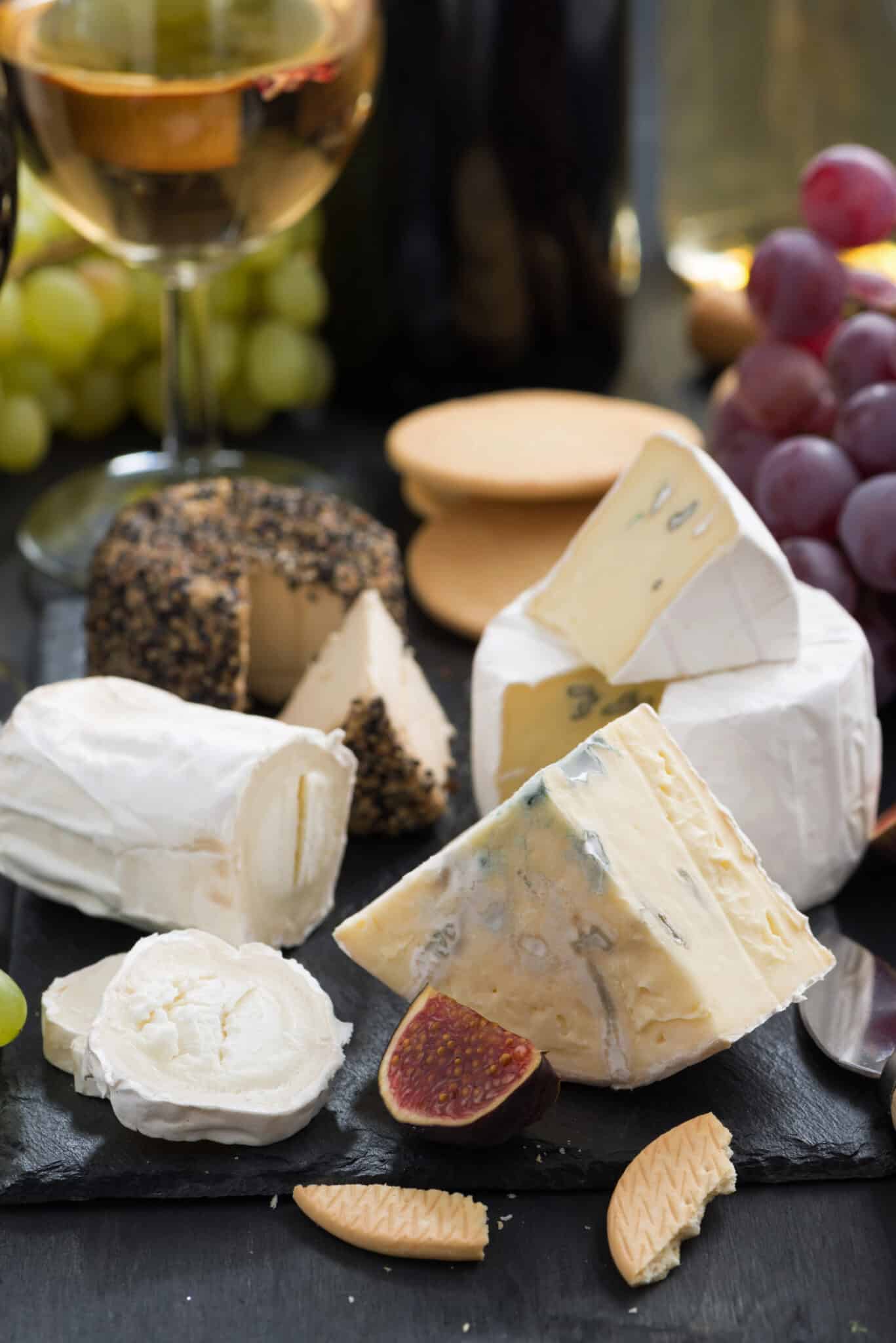

A public health reminderr on why soft cheeses carry elevated risk, what listeria does to the human body, and the outbreaks that keep reminding us this threat is real.
A Bacterium That Thrives Where Others Cannot
Most foodborne pathogens are, at least in principle, manageable. Refrigerate your food, cook it to the right temperature, and the risk drops dramatically. Listeria monocytogenes does not play by those rules. Unlike most disease-causing bacteria, listeria is a psychrotrophic organism — it can survive and multiply at refrigeration temperatures, including the 35–40°F range of a standard home refrigerator. This single characteristic is what makes it so particularly dangerous in the context of ready-to-eat foods like cheese, and it is what places soft cheeses at the center of repeated food safety crises year after year.
Why Soft Cheeses Are Especially Vulnerable
Not all cheeses carry equal risk when it comes to listeria contamination. The physical and chemical properties of a cheese largely determine how hospitable an environment it provides for bacterial growth — and soft cheeses are, almost by definition, listeria-friendly.
The key factors come down to moisture, acidity, and salt content. Soft cheeses have intrinsic characteristics including a high pH (5.0–6.3), high water activity (greater than 0.97) and percent moisture (55–58%), and low salt content (1.4–1.6%), all of which contribute to the possibility of L. monocytogenes growth. By contrast, hard cheeses like Cheddar and Parmesan have low moisture content, high salt levels, and an acidic environment that make it difficult for listeria to grow. The long aging process in hard cheeses further reduces the bacteria’s chances of survival.
Soft cheeses — think brie, camembert, queso fresco, ricotta, cottage cheese, feta, and mozzarella — skip or abbreviate that aging process. Fresh, soft cheeses do not go through a significant aging process, which in other cheeses can help kill listeria. They are high-moisture, low-acidity cheeses that can support listeria growth.
Then there is the role of unpasteurized milk. Pasteurization — heating milk to at least 72°C for 15 seconds in the standard high-temperature, short-time method — is one of the most effective weapons against listeria in dairy processing. The FDA found in a 2013 draft risk assessment that soft cheese made from unpasteurized milk carries a risk of containing listeria bacteria 50 to 160 times higher than soft cheeses made with pasteurized milk. Traditional and artisanal cheesemakers who use raw milk — particularly in European cheese-making traditions — therefore operate with an elevated baseline risk.
But pasteurization alone is no guarantee of safety. Contamination can occur after pasteurization, during processing, packaging, or in the plant environment. Fresh and soft cheeses made with pasteurized milk are at risk of contamination during the production process (after pasteurization) or during their shelf life, depending on storage conditions. Listeria can colonize food processing environments — drains, conveyor belts, cutting equipment — and form biofilms that are notoriously difficult to eradicate. Once present in a facility, it can persist for years.
A third vulnerability involves the scale and training of producers. Many soft cheeses are produced by small, artisanal cheesemakers who may not have the experience to understand the risks. FDA inspectors who visited more than 100 cheesemaking facilities in New York in 2010 found listeria in 24 of them; more than half of those were small artisanal operations.
The Dangers of Listeria Food Poisoning
Listeriosis — the illness caused by L. monocytogenes — presents in two distinct forms. The first is a self-limited intestinal illness characterized by diarrhea, fever, and nausea that resolves on its own in most healthy people. The second, far more serious form is invasive listeriosis, where the bacteria breach the intestinal wall and spread through the bloodstream to other organs, most critically the brain and its membranes.
According to the CDC, roughly 1,600 people contract listeriosis each year in the United States, and approximately 260 die from the illness. The case-fatality rate is sobering: in cases of invasive listeriosis not associated with pregnancy, almost 1 in 6 people die. Among elderly and pregnant individuals, the mortality rate climbs to 20–30%. Despite being responsible for relatively few cases per year, listeria punches far above its weight in fatalities — responsible for approximately 27.6% of the total deaths attributed to foodborne illness in the United States, compared to a fatality rate of just 0.04% for salmonella.
What makes listeria so lethal is its ability to cross biological barriers that most pathogens cannot. It can cross the blood-brain barrier, causing meningitis and meningoencephalitis, and in pregnant women it crosses the placenta. Listeria infection is the fourth leading cause of death from foodborne illness in the United States, and the groups at greatest risk are precisely those who tend to consume soft cheeses: pregnant women, older adults, and immunocompromised individuals.
For pregnant women, the danger is particularly insidious. While the mother may experience only mild, flu-like symptoms — fever, muscle aches, fatigue — the infection can travel to the fetus with devastating consequences. Infection during pregnancy can lead to miscarriage, stillbirth, premature delivery, or neonatal infection. Pregnant women are estimated to be 10 times more likely than the general population to develop listeriosis.
Invasive listeriosis symptoms typically appear one to two weeks after consuming contaminated food — a longer incubation period than most foodborne illnesses — and can include fever, muscle pain, septicemia, and meningitis. The delayed onset makes source-tracing difficult and means patients may not connect their illness to something they ate nearly two weeks prior. Treatment requires antibiotics, typically ampicillin and gentamicin, but even with treatment the prognosis for invasive disease is grave.
One additional characteristic of listeria distinguishes it from most foodborne pathogens: its capacity to grow in cold storage means that proper refrigeration offers false reassurance. Leftovers, ready-to-eat deli products, and soft cheeses kept in the fridge for extended periods can become increasingly dangerous over time, not less so.
Recent Outbreaks: A Chronicle of Recurring Risk
The epidemiological record on soft cheese and listeria is lengthy and troubling. The problem is not a new one — between 1980 and 1996 there were 30 known and reported outbreaks of foodborne illness associated with cheese consumption in the United States, Canada, Europe, and Scandinavia — but recent outbreaks illustrate how persistently this problem resists resolution.
The Rizo-López Foods Outbreak (2017–2024)
Perhaps the most striking recent case is the decade-long outbreak linked to queso fresco and cotija cheese manufactured by Rizo-López Foods, Inc. of Modesto, California. The FDA and CDC investigated illnesses in a multi-year, multistate outbreak of Listeria monocytogenes infections linked to queso fresco and cotija cheeses manufactured by Rizo-López Foods. As of April 9, 2024, the outbreak was declared over, with a total of 26 cases in 11 states, 23 hospitalizations, and two deaths.
What makes this outbreak particularly remarkable is its duration. The CDC had investigated the same cluster in 2017 and again in 2021, but investigators lacked sufficient evidence each time to pinpoint a specific brand. It was not until January 2024, when Hawaii state health officials collected a routine sample of aged cotija cheese and found the outbreak strain of listeria, that the source was finally confirmed. FDA conducted inspections at the Rizo-López Foods facility and found the outbreak strain from two environmental samples collected at the facility — specifically on a container where cheeses are kept before packaging.
The recall that followed was extensive: Rizo-López Foods recalled all cheese and other dairy products made in their facility, sold under various brand names including Tio Francisco, Don Francisco, and Rizo Bros, distributed nationwide including at retail deli counters in stores such as El Super, Cardenas Market, and Northgate Gonzalez. The outbreak also caused at least one pregnancy loss and infections in newborns. A U.S. District Court ultimately entered a consent decree of permanent injunction against the company.
The French Chavegrand Outbreak (2025)
In summer 2025, French health authorities confronted an outbreak with a familiar culprit but an important twist. An investigation by Santé Publique France and the National Listeria Reference Centre at the Pasteur Institute identified epidemiological and microbiological evidence linking an outbreak to soft cheeses with a bloomy rind — such as Camembert, Crémeux, and bûches — produced by the company Chavegrand. The outbreak killed two people.
The products were made from pasteurized cow’s and goat’s milk — underscoring a critical point that is often misunderstood: pasteurization of milk does not eliminate the risk of listeria in the finished cheese. The outbreak strain entered during post-pasteurization processing. Affected products were distributed nationally and internationally under multiple brand names.
The Wegmans/Fromi USA Recall (August 2025)
Clover Hill Dairy — A New Outbreak in 2026
Even as this article is being written, authorities are responding to a freshly identified outbreak. The FDA and CDC are investigating a multi-state, multi-year outbreak of Listeria monocytogenes infections potentially linked to requeson — a soft cheese similar to ricotta — produced by Clover Hill Dairy LLC of Mechanicsville, Maryland. Eight people in New York, Maryland, and Virginia have been sickened, with the earliest illness dating to March 2023 and the most recent to May 2026. There have been seven hospitalizations and one death. The outbreak came to light in May 2026 when the Suffolk County Health Department notified New York State authorities of two related listeria illnesses from the same family, who had purchased food from a local retailer in Brentwood, . A sample from an unopened 18-pound sealed bucket of Clover Hill requeson tested positive for listeria. On June 3, 2026, Clover Hill Dairy issued a voluntary recall, and the Maryland Department of Health suspended the company’s operating license.
What Can Be Done?
The FDA has developed a specific prevention strategy targeting queso fresco-type cheeses, given their disproportionate contribution to listeria outbreaks. For high-risk individuals — pregnant women, adults over 65, and the immunocompromised — the guidance is unambiguous: avoid soft fresh cheeses unless they are heated thoroughly. Heating queso fresco-type cheeses or cheeses made with unpasteurized milk to an internal temperature of 165°F kills listeria. High-risk individuals can still enjoy these cheeses by incorporating them into cooked dishes like enchiladas or casseroles.
For the general public, the steps are straightforward: be aware of recalls, practice good refrigerator hygiene (listeria can spread from one food to another in the fridge), avoid consuming soft cheeses past their use-by date, and wash hands thoroughly after handling these products.
For producers, the regulatory and scientific communities continue to press for rigorous environmental monitoring, improved sanitation protocols, and better traceability systems that allow outbreaks to be identified and contained in days rather than years. The Rizo-López case — where a contaminated production environment sickened people for nearly a decade before investigators could confirm the source — stands as a cautionary tale about the consequences of inadequate surveillance.
Conclusion
Soft cheeses occupy a beloved place in cuisines around the world, from the queso fresco of Mexican cooking to the brie of French tradition. That cultural significance is not in question. What is beyond debate is the biological reality: the high moisture, low acidity, minimal salt, and abbreviated aging that define these cheeses also make them welcoming environments for one of the deadliest foodborne pathogens known. Listeria does not announce itself with dramatic symptoms in the moment of consumption; it waits, multiplies, and strikes — often weeks later, often in those least able to fight it. Understanding that risk, respecting the science, and following precautionary guidance is not fearmongering. It is simply good public health sense.
