


October 21, 2026
A recent multistate Salmonella outbreak linked to raw oysters has renewed concerns about the inherent dangers of consuming uncooked shellfish. Although oysters remain a popular seafood delicacy, their unique feeding habits make them particularly susceptible to contamination by harmful bacteria and viruses, presenting a potentially serious health risk to consumers.
According to the Centers for Disease Control and Prevention (CDC), at least 27 people across 12 states have been infected with Salmonella Telelkebir, resulting in five hospitalizations and no reported deaths. Investigators have linked the outbreak to oysters harvested from Virginia’s Little Wicomico River, prompting a voluntary recall by Little Wicomico Oyster Company on October 9, 2026. The affected oysters were harvested between September 18 and October 8, and Virginia health officials have temporarily closed the implicated harvesting area as a precaution.
Unlike many other seafood products, oysters are filter feeders, meaning they continuously draw water through their bodies to collect nutrients. Unfortunately, this natural feeding process also allows harmful microorganisms present in surrounding waters to accumulate within their tissues. Consequently, consuming oysters raw can expose individuals to dangerous pathogens, including Salmonella, Vibrio, and Norovirus.
Among these pathogens, Vibrio vulnificus poses a particularly serious threat. Although infections are relatively uncommon, approximately one in five individuals infected with this bacterium die, sometimes within just a day or two of becoming ill. Severe infections can lead to bloodstream infections, intensive care hospitalization, and even limb amputation. Individuals with weakened immune systems, liver disease, or other underlying medical conditions face an especially elevated risk of life-threatening complications.
While Vibrio infections are often associated with warmer coastal waters, contaminated oysters can cause illness throughout the year. The CDC emphasizes that infections are not limited to summer months, challenging the common misconception that oysters are automatically safer to consume during colder seasons.
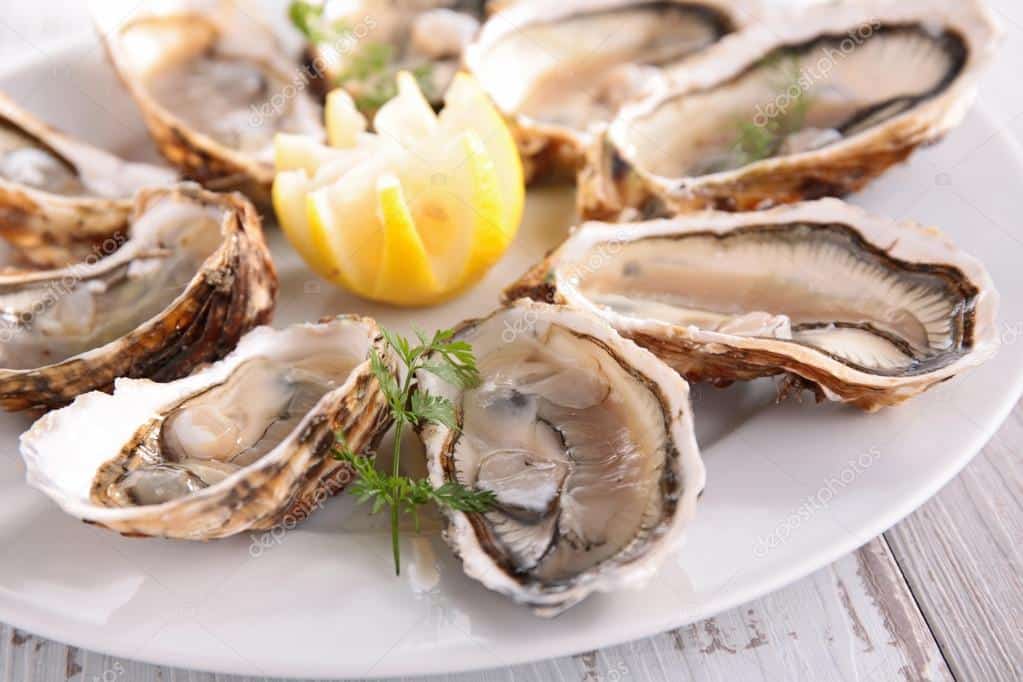
Perhaps most concerning is that contaminated oysters typically appear completely normal. Harmful microorganisms cannot be reliably detected through appearance, smell, or taste. An oyster that appears fresh and comes from a reputable restaurant may still contain dangerous pathogens. Furthermore, popular accompaniments such as lemon juice, hot sauce, and alcohol do not eliminate these microorganisms.
The current Salmonella outbreak also demonstrates how quickly contaminated seafood can affect consumers across state lines. Although 27 illnesses have been confirmed, investigators warn that the actual number of infections may be considerably higher, as many individuals recover without seeking medical attention or undergoing testing.
As federal investigators continue examining the outbreak, consumers are urged to avoid recalled oysters and thoroughly cook shellfish before consumption. The CDC recommends boiling oysters until their shells open, then continuing to boil them for another three to five minutes. Proper cooking significantly reduces the risk of foodborne illness, while consuming raw oysters always carries some degree of danger, regardless of their freshness, origin, or preparation.
