

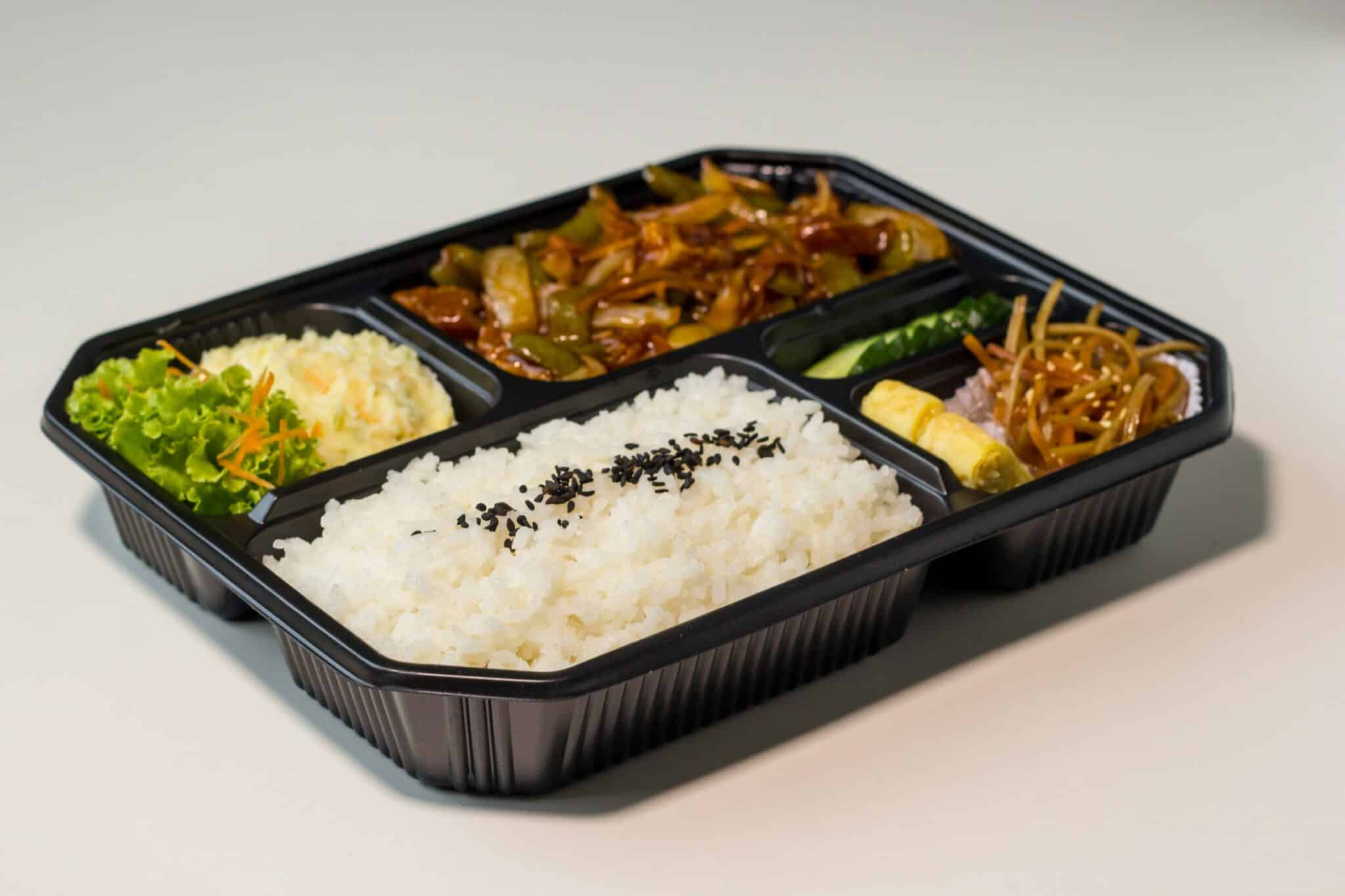

As the school year begins, many parents turn their attention to packing nutritious and tasty lunches. However, food safety is just as important as what goes into the lunchbox. Without proper handling and storage, even a healthy lunch can become a source of foodborne illness. Young children are particularly vulnerable to bacteria such as Salmonella, Listeria, and E. coli, making lunch box safety an essential part of back-to-school planning.
Why Lunch Box Safety Matters
Children often store their lunches in lockers, cubbies, or backpacks where temperatures can rise above safe levels. Harmful bacteria can multiply rapidly when food is left unrefrigerated between 40°F and 140°F, known as the “danger zone.” Unlike adults, children’s immune systems are still developing, which increases the risk of severe illness from contaminated food. Preventing foodborne illness starts with careful planning and a few smart habits.
Use an Insulated Lunch Box
The first step in protecting your child’s lunch is choosing the right container. An insulated lunch box helps maintain a safe temperature for perishable items. Look for one with a snug closure and enough room to fit ice packs. Some lunch boxes come with built-in compartments for frozen gel inserts, which can keep food cool until lunchtime.
If your child’s lunch includes perishable items such as deli meat, cheese, yogurt, or cut fruit, always include at least two cold sources, like frozen juice boxes and gel packs, to maintain a safe temperature. Test the lunchbox by packing it overnight and checking the internal temperature before use.
Keep Hot Foods Hot
If sending warm foods like soup, pasta, or leftovers, use an insulated thermos that has been preheated with boiling water. Fill the thermos with steaming-hot food and seal it tightly. Hot foods should be kept above 140°F to prevent bacterial growth. Do not rely on standard plastic containers, which are not designed to maintain temperature over time.
Practice Proper Food Handling
Safe lunches begin in the kitchen. Always wash your hands before preparing food. Clean cutting boards, knives, and countertops to avoid cross-contamination. Use separate surfaces and utensils for raw meat and ready-to-eat items like fruits or bread.
When using leftovers, make sure they have been stored properly and reheated to a safe temperature before being packed. Do not pack food that has been sitting out for more than two hours, or one hour if the weather is especially warm.
Pack Safe Foods
Some foods are more prone to spoilage than others. Consider packing non-perishable items like whole fruits, canned tuna, trail mix, dry cereal, or nut butter sandwiches when refrigeration is not available. Shelf-stable milk or juice boxes that do not require chilling can also be convenient and safe.
If your child is selective about food or tends to leave part of their lunch uneaten, pack smaller portions and avoid high-risk perishables that may go uneaten and spoil in the lunch box.
Teach Kids About Food Safety
Even the best-packed lunch is only as safe as the way it is handled. Teach your child not to leave their lunch in direct sunlight or near heat sources like radiators. Encourage them to eat perishable items first and to throw away any leftovers that have not been kept cold.
Hand hygiene is also important. Make sure your child washes their hands before eating. If soap and water are not available, include a small hand sanitizer in their lunchbox as a backup option.
Clean Lunch Containers Daily
Lunch boxes and reusable containers should be washed every day. Bacteria can grow in crumbs, spills, or on moist surfaces inside the lunch bag. Wash containers with hot, soapy water and allow them to dry completely before the next use. Wipe down the inside of insulated bags and replace any worn or damaged components that may no longer insulate properly.
Food Safety for Special Diets
If your child has food allergies or dietary restrictions, food safety is even more important. Clearly label all containers and educate your child and their school about their specific needs. Preventing cross-contact with allergens is essential, and packing food safely can also help prevent accidental exposures.
Be Mindful of Changing Weather
During the warmer months, food safety is even more critical. Rising temperatures increase the speed at which bacteria multiply. Adjust your lunch packing strategy according to the weather. For example, use extra ice packs on hot days or opt for shelf-stable items that do not require temperature control.
Final Note
Back-to-school season brings new routines, and lunch packing is one of them. Safe lunch practices help protect your child from foodborne illness and support their health and well-being. By using insulated containers, practicing proper food handling, and teaching children good habits, parents can pack lunches that are not only nutritious but also safe.
Food safety should be a consistent priority throughout the school year. Making it part of your daily routine now will help establish lasting habits that keep your child safe and healthy long after the school bell rings.
