
Close Menu
  • Food Poisoning
    • Symptoms
    • Prevention
    • Treatment
    • Causes
  • Pathogens
    • Botulism
    • Campylobacter
    • E. coli
    • Cyclospora
    • Norovirus
    • Hepatitis A
    • Salmonella
    • Listeria
    • Shigella
  • Food Safety
    • How to wash your hands
    • Food Safty And The Holidays
  • Legal
    • Can I sue for Food Poisoning?
    • E. coli Lawyer
      • E. coli Lawsuit
    • Salmonella Lawyer
      • Salmonella Lawsuit
    • Botulism Lawyer
    • Cyclospora Lawyer
    • Shigella Lawyer
    • Hepatitis A Lawyer
  • Outbreaks and Recalls
  • Connect With A Lawyer
What's Hot

Five E. Coli Cases Possibly Linked to Bengtson’s Pumpkin Farm in Illinois

October 26, 2026

Holiday Food Safety: Essential Tips to Prevent Foodborne Illness This Season

October 26, 2026

Recalled Oysters Distributed in Texas Linked to Multistate Salmonella Outbreak

October 26, 2026
Facebook X (Twitter) Instagram
Facebook X (Twitter) YouTube
  • About
  • Contact Us
Food Poisoning NewsFood Poisoning News
  • Home
  • Food Poisoning
    • What is Food Poisoning?
      • Symptoms
      • Causes
      • Prevention
      • Treatment
      • Statistics
    • Pathogens
      • Botulism
      • Campylobacter
      • E. coli
      • Hepatitis A
      • Shigella
      • Norovirus
      • Salmonella
      • Cyclospora
      • Listeria
  • Food Safety
    • How to wash your hands
    • Food Safty And The Holidays
  • Legal
    • Salmonella Lawyer
      • Salmonella Lawsuit
    • E. coli Lawyer
      • E. coli Lawsuit
    • Cyclospora Lawyer
    • Shigella Lawyer
    • Hepatitis A Lawyer
    • Botulism Lawyer
  • Outbreaks and Recalls
Food Poisoning NewsFood Poisoning News
Home»Helpful Articles»Holiday Food Safety: Essential Tips to Prevent Foodborne Illness This Season
Holiday Food Safety: Essential Tips to Prevent Foodborne Illness This Season
Helpful Articles

Holiday Food Safety: Essential Tips to Prevent Foodborne Illness This Season

McKenna Madison CovenyBy McKenna Madison CovenyOctober 26, 2026No Comments3 Mins Read
Share
Facebook Twitter LinkedIn Pinterest Email Reddit

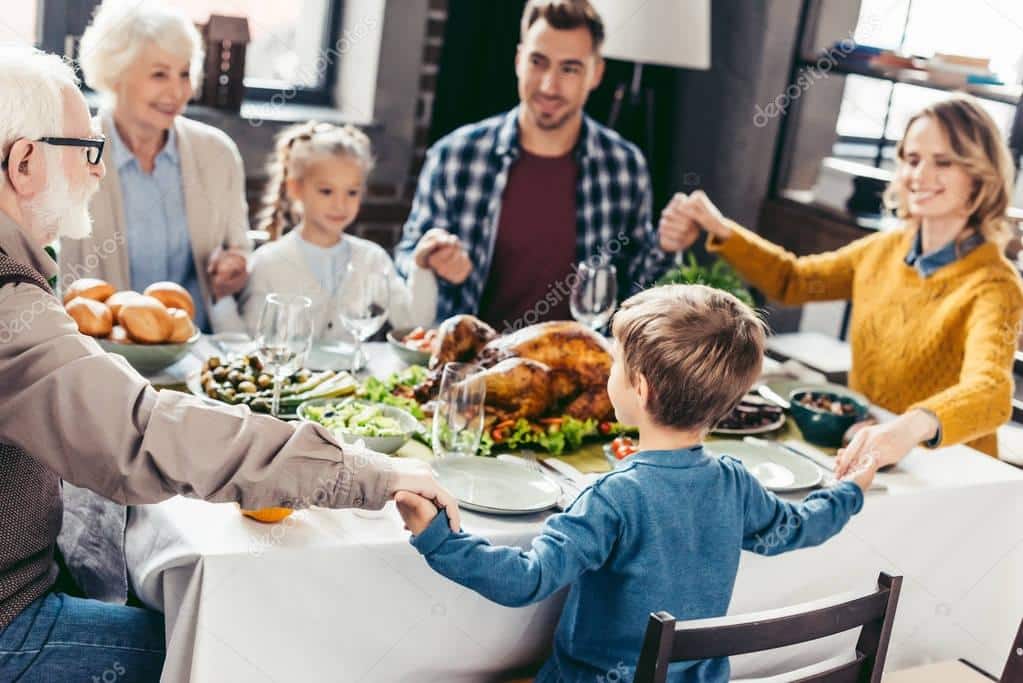
As Thanksgiving and Christmas approach, families across the country are preparing to gather around tables filled with traditional holiday dishes. While holiday meals offer an opportunity to celebrate with loved ones, improper food handling and preparation can increase the risk of foodborne illness.

According to the Centers for Disease Control and Prevention (CDC), approximately 48 million Americans experience foodborne illnesses annually. Fortunately, following a few essential food safety practices can help protect family members and guests throughout the holiday season.

Cook Foods to Safe Internal Temperatures

One of the most important steps in preventing foodborne illness is ensuring that meat and poultry reach appropriate internal temperatures.

The U.S. Department of Agriculture (USDA) recommends cooking turkey, chicken, and other poultry to an internal temperature of 165°F. Beef, pork, and lamb roasts should reach at least 145°F, followed by a three-minute rest period.

A food thermometer is the most reliable way to verify that meat has reached a safe temperature. Appearance and color alone cannot guarantee that harmful bacteria have been eliminated.

Prevent Cross-Contamination

Preparing multiple dishes simultaneously can create opportunities for harmful bacteria to spread between foods.

Raw meat, poultry, and seafood should be kept separate from ready-to-eat foods, including fruits, vegetables, and desserts.

Additionally, cooks should wash their hands with soap and water for at least 20 seconds before preparing food and after handling raw ingredients.

Cutting boards, utensils, and countertops should also be thoroughly cleaned between uses.

Refrigerate Leftovers Promptly

Holiday meals often involve large quantities of food, making proper leftover storage particularly important.

The USDA recommends refrigerating perishable foods within two hours of preparation or serving. Foods left at room temperature for longer periods may allow harmful bacteria to multiply.

Leftovers should be stored in shallow containers to encourage rapid cooling and generally consumed within three to four days.

When reheating leftovers, ensure they reach an internal temperature of 165°F.

Practice Safe Food Preparation

Frozen turkeys should never be thawed on kitchen countertops. Instead, the USDA recommends thawing poultry in the refrigerator, cold water, or microwave.

Additionally, raw poultry should not be washed before cooking, as splashing water can spread bacteria to nearby surfaces.

By following proper cooking, cleaning, and storage practices, families can significantly reduce their risk of foodborne illness and focus on enjoying the holiday season safely.

Be Mindful of Holiday Buffets and Gatherings

Holiday parties and family gatherings often feature buffet-style meals, where food may sit at room temperature for extended periods. According to the USDA, perishable foods should not remain in the temperature danger zone, between 40°F and 140°F, for more than two hours. During gatherings, hosts should use warming trays, slow cookers, or chafing dishes to keep hot foods at or above 140°F. Cold dishes, such as deviled eggs, dips, and dairy-based desserts, should be kept at or below 40°F. Serving smaller portions and replenishing them as needed can also help reduce the risk of bacterial growth.

Take Extra Precautions for Vulnerable Guests

Certain individuals face a greater risk of developing severe complications from foodborne illnesses, including young children, adults over 65, pregnant women, and individuals with weakened immune systems. Holiday hosts should be particularly mindful of these guests when selecting and preparing dishes. Foods containing unpasteurized dairy products, raw or undercooked eggs, and improperly cooked meats may pose additional risks. Providing thoroughly cooked alternatives and practicing proper food handling can help ensure that everyone enjoys holiday meals without unnecessary exposure to harmful pathogens.

Share. Facebook Twitter Pinterest LinkedIn Tumblr Email
Avatar photo
McKenna Madison Coveny

Related Posts

The Hand That Spoils the Meal: Staphylococcal Toxin and the Limits of Cooking

September 30, 2026

Salmonella Javiana – Jalapeno’s at Chipotle

August 5, 2026

Why Cyclospora Sticks to Lettuce — and What Actually Stops It on the Farm

July 28, 2026

Back-to-School Food Poisoning: How Parents Can Help Keep Kids Safe This School Year

July 16, 2026
Add A Comment
Leave A Reply Cancel Reply

Attorney Advertisement
Ron Simon

Subscribe to Updates

Get the latest food safety recall, outbreak, & investigation news.

Latest Posts

Five E. Coli Cases Possibly Linked to Bengtson’s Pumpkin Farm in Illinois

October 26, 2026

Holiday Food Safety: Essential Tips to Prevent Foodborne Illness This Season

October 26, 2026

Recalled Oysters Distributed in Texas Linked to Multistate Salmonella Outbreak

October 26, 2026

Food Poisoning News is a website devoted to providing you with the most current information on food safety, dangerous pathogens, food poisoning outbreaks and outbreak prevention, and food poisoning litigation.

We're social. Connect with us:

Facebook X (Twitter) YouTube
Latest Posts

Five E. Coli Cases Possibly Linked to Bengtson’s Pumpkin Farm in Illinois

October 26, 2026

Holiday Food Safety: Essential Tips to Prevent Foodborne Illness This Season

October 26, 2026

Recalled Oysters Distributed in Texas Linked to Multistate Salmonella Outbreak

October 26, 2026
Get Informed

Subscribe to Updates

Get the latest food safety recall, outbreak, & investigation news.

Facebook X (Twitter) YouTube
  • Home
  • About
  • Editorial Standards & Ethics Policy
  • Sourcing & Fact-Checking Policy
  • Corrections & Clarifications Policy
  • Our Authors
  • Medical Disclaimer
  • Legal Disclaimer & Attorney Advertising Notice
  • Privacy Policy
  • Terms of Use
  • Get In Touch
© 2026 Food Poisoning News. Sponsored by Ron Simon & Associates a Houston, TX law firm. Powered by ArmaVita.
Our website and content are for informational purposes only. Food Poisoning News does not provide legal advice, medical advice, diagnosis, or treatment.

Type above and press Enter to search. Press Esc to cancel.