

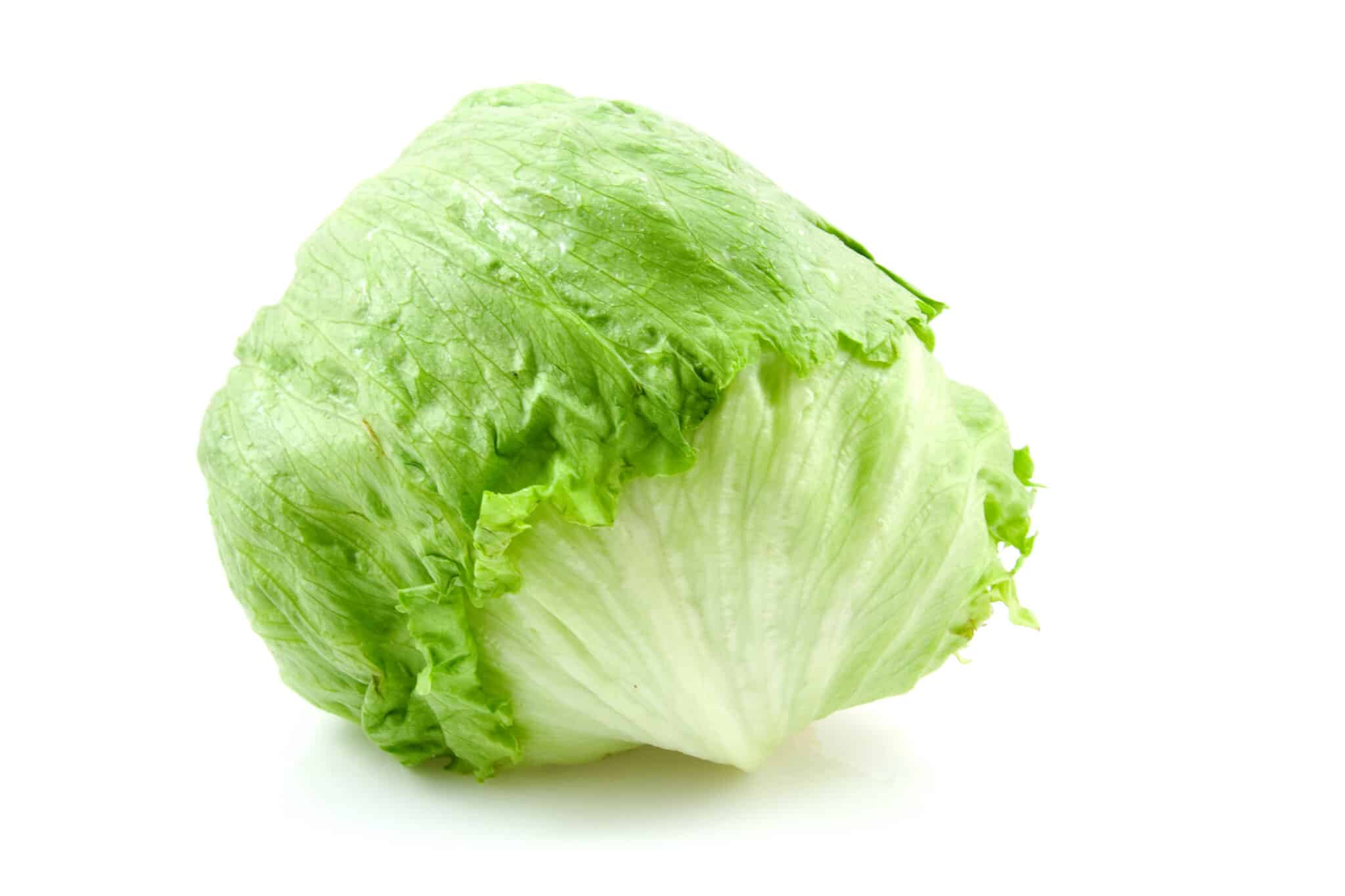

One of the largest cyclospora outbreaks in U.S. history has finally been traced to a source: shredded iceberg lettuce grown in central Mexico, supplied by Taylor Farms de Mexico, and served at Taco Bell restaurants across the Midwest. The confirmation, announced by federal health officials late this week, triggered a sweeping voluntary recall by Taylor Farms, an emergency ingredient purge at Taco Bell locations nationwide, and a fast-growing wave of personal-injury lawsuits that attorneys say is only beginning.
Here is everything consumers need to know about the recall, the outbreak, and the legal fallout.
The Recall: What Taylor Farms Is Pulling
On July 17, 2026, Taylor Farms de Mexico, based in Guanajuato, Mexico, announced it is voluntarily removing all iceberg lettuce sourced from central Mexico from the U.S. market because the product has the potential to be contaminated with Cyclospora, the microscopic parasite responsible for the intestinal illness cyclosporiasis.
The recall, posted to the company’s product recall page and last updated July 17, covers dozens of foodservice and retail iceberg lettuce products distributed between June 29 and July 16, 2026. The affected shredded iceberg products were shipped to 27 states: Alabama, Arkansas, Connecticut, Florida, Georgia, Iowa, Illinois, Indiana, Kansas, Kentucky, Louisiana, Massachusetts, Maryland, Michigan, Missouri, Mississippi, North Carolina, New Hampshire, New Jersey, Ohio, Oklahoma, Pennsylvania, South Carolina, Tennessee, Texas, Virginia, and Wisconsin.
The recalled items are sold under multiple brand codes — including CV, JB, MARK, MKTSD, PK, SUB, SY, and TF — and span a wide range of formats: quarter-inch and eighth-inch shredded lettuce, chopped lettuce, salad mixes, and lettuce/romaine blends in 50/50, 70/30, and 80/20 ratios, most packed in four five-pound bags per case for foodservice use. Two retail items under the MKTSD label are also included: Iceberg Salad in 12-ounce and 24-ounce packages and Shredded Lettuce in 8-ounce and 16-ounce packages, with best-if-used-by dates running from July 18 through August 3, 2026. Across all products, the affected date codes generally fall between July 16 and August 3, 2026. Consumers and foodservice operators should check the company’s recall page for the complete lot-by-lot table.
Taylor Farms’ instructions are unambiguous: anyone who purchased the recalled iceberg lettuce should discard it immediately and not consume it. Full refunds are available at the place of purchase, and anyone experiencing health issues should contact a physician. The company has set up a customer care line at 855-455-0098, open Monday through Friday, 8 a.m. to 5 p.m. Pacific time.
The company says it has stopped receiving product from the implicated lot, suspended distribution of iceberg lettuce from central Mexico, notified its customers, and is continuing to work with the FDA, CDC, and state authorities.
Notably, Taylor Farms has stressed — repeatedly and prominently — that none of its branded salads or salad kits sold in grocery stores are involved. The company states that no Taylor Farms branded salad kits contain iceberg lettuce and that no Taylor Farms branded salads or kits have been identified in the ongoing cyclospora investigation. In a public statement, Taylor Fresh Foods noted that the FDA’s traceback pointed to a specific independent farm representing less than one percent of the U.S. iceberg lettuce supply, but said the company chose to remove all iceberg lettuce from the region indefinitely anyway. “As a family owned and operated company, we are deeply concerned for those who became ill, their families, and the many Americans whose trust in the safety of their fresh produce has been shaken,” the company said, pledging to do everything in its power to restore that confidence.
The Taco Bell Connection
The recall did not come out of nowhere. It landed at the end of a weeks-long public health investigation centered on Taco Bell restaurants in the Midwest.
On July 16, the CDC identified shredded iceberg lettuce served at Taco Bell as the source of a cyclospora outbreak cluster spanning five states: Michigan, Ohio, Indiana, Kentucky, and West Virginia. The agency’s guidance to the public was blunt: do not eat shredded iceberg lettuce from Taylor Farms de Mexico served at Taco Bell locations in those five states. The FDA’s traceback investigation identified a single supplier — Taylor Farms de Mexico — and traced the lettuce back to a single grower in central Mexico.
Taco Bell had already been taking visible precautions. In early July, restaurants in the Detroit area and elsewhere posted signs telling customers they could no longer serve lettuce, cilantro, onions, pico de gallo, or guacamole while officials investigated whether food served at the chain played a role in the outbreak. Once the lettuce was confirmed as the culprit, the company moved quickly on a national scale.
“As of July 17, Taco Bell has completed removal of affected Taylor Farms lettuce from our restaurants,” the company said in a statement, adding that based on ongoing conversations with public health officials and out of an abundance of caution, it had voluntarily removed the product from restaurants and pulled the affected ingredient from its supply chain nationwide. The company framed the action as necessary to ensure guests can enjoy their menu favorites safely, and said it views public health as a shared responsibility among restaurants, suppliers, and authorities.
The episode is a significant blow for Taylor Farms, a Salinas, California-based produce giant that supplies major fast-food and grocery chains including Taco Bell, KFC, Pizza Hut, Walmart, and Trader Joe’s. It is also not the company’s first brush with this particular parasite: Taylor Farms was linked to a 2013 cyclospora outbreak tied to salad mix processed at a facility in Mexico that sickened hundreds of people across 25 states.
The Outbreak by the Numbers
The scale of the 2026 outbreak is striking. According to the latest CDC data, there are roughly 6,745 possible cyclosporiasis cases in the United States. Of those, the agency has confirmed about 1,645 domestic cases, with more than 5,100 additional cases requiring further testing to determine whether they were domestically acquired. Health officials have said multiple outbreaks are likely ongoing in at least 34 states, and it remains unclear whether the Taylor Farms lettuce is connected to illnesses beyond the confirmed five-state Taco Bell cluster. The CDC has said that shredded lettuce sold in grocery stores or served at other restaurants is not implicated in the confirmed cluster.
Michigan has been hit hardest. State health officials reported more than 5,000 cases as of July 17, prompting some observers to describe the event as potentially the largest cyclospora outbreak in U.S. history.
Worse, the numbers are almost certainly an undercount — and still climbing. The CDC has warned that cases are likely to increase, citing a roughly six-week lag between when someone gets sick and when their case shows up in official reporting. Cyclosporiasis is also chronically underdiagnosed: detecting the parasite requires a specific laboratory test that is not part of a standard stool panel, so patients often need to specifically request cyclospora testing.
What Is Cyclosporiasis?
Cyclosporiasis is an intestinal illness caused by Cyclospora cayetanensis, a microscopic parasite spread through contaminated food or water. Its signature symptom is watery — sometimes described as explosive — diarrhea, often accompanied by fatigue, loss of appetite, weight loss, abdominal cramping, nausea, and low-grade fever.
The illness has an unusually long incubation period. Symptoms typically begin about one week after infection, though the range runs from two days to two weeks or more. Left untreated, symptoms can persist from a few days to a month or longer, and can relapse. The infection is treatable with antibiotics, and people who are ill are advised to stay well-hydrated and see a healthcare provider.
Cyclospora outbreaks in the U.S. typically occur in late spring and summer and have historically been associated with imported fresh produce — bagged salads, cilantro, basil, raspberries, snow peas, and green onions have all been implicated in past outbreaks. Because washing alone cannot reliably remove the parasite, the CDC notes that cooking produce to at least 158°F (70°C) will kill it — cold comfort for foods like shredded lettuce that are eaten raw.
Anyone who ate at a Taco Bell in the affected states in recent weeks and developed prolonged diarrheal illness should contact a doctor and ask specifically about cyclospora testing. State and local health officials may also reach out to sick individuals to ask what they ate in the two weeks before symptoms began.
The Lawsuits Are Piling Up
The legal response has moved almost as fast as the recall itself. Within roughly 48 hours of the CDC naming Taco Bell’s lettuce, at least three or four separate lawsuits had been filed in Ohio state and federal courts, with attorneys openly predicting many more.
Lawsuit — the first to name Taylor Farms directly — was filed in Mahoning County, Ohio by Ron Simon & Associates, working with DiCello Levitt, on behalf of David Ott, a Texas resident and 27-year Army veteran. Ott says he ate Taco Supremes at a Youngstown, Ohio Taco Bell on June 18 and June 20 while traveling for business, and within days developed abdominal pain, gas, and diarrhea severe enough that he was reportedly hospitalized. His attorneys say they are seeking compensation, working to determine how the contamination happened, and have set up a “Taco Bell Cyclospora Claim Center” for others who believe they were sickened.
The claims across these Cyclospora lawsuits include negligence, breach of warranty, product liability, and deceptive trade practices.It’s worth noting what the lawsuits are personal-injury and product-liability cases, not class actions. There is no certified class, no settlement, and no claim form. The allegations in the complaints name Taco Bell, Taylor Farms, and any franchisee. B
The Bottom Line
Check your refrigerator and your freezer prep areas. If you have any Taylor Farms iceberg lettuce product matching the recalled brands, descriptions, and date codes — particularly shredded or chopped iceberg with best-by dates between July 16 and August 3, 2026 — throw it out or return it for a full refund. If you ate at a Taco Bell in Michigan, Ohio, Indiana, Kentucky, or West Virginia in recent weeks and have experienced prolonged watery diarrhea, fatigue, or appetite loss, see a doctor and ask specifically about a cyclospora test. And keep an eye on the CDC, FDA, and Taylor Farms recall pages: with case counts still climbing and the investigation ongoing, this story is far from over.
