


Foodborne illness investigations often focus public attention on a single restaurant, manufacturer, or food product. While identifying the immediate source of contamination is essential for protecting consumers, doing so can sometimes obscure a broader public health problem.
The current increase in Cyclospora cayetanensisinfections illustrates this challenge. Although investigators have identified one confirmed outbreak associated with shredded iceberg lettuce supplied to Taco Bell restaurants, the Centers for Disease Control and Prevention (CDC) and the Food and Drug Administration (FDA) have made clear that this cluster does not explain all reported illnesses. Numerous additional cases remain under investigation, suggesting that multiple contamination events may be occurring simultaneously.
This distinction is significant because Cyclosporabehaves differently than many familiar foodborne pathogens.
Unlike Salmonella, Escherichia coli, or Listeria monocytogenes, Cyclospora is a microscopic parasite rather than a bacterium. It requires time outside the human body before becoming infectious, meaning direct person-to-person transmission is extremely uncommon. Instead, infections almost always occur after people consume food or water contaminated by infectious oocysts that have matured in the environment.
Because fresh produce is often eaten without cooking, contaminated fruits and vegetables provide an efficient vehicle for transmission.
Historically, investigators have linked outbreaks to imported produce harvested in regions where sanitation infrastructure, irrigation water quality, and environmental controls vary considerably. Consequently, each outbreak represents not only an isolated contamination event but also evidence of broader vulnerabilities within international produce production.
Understanding these vulnerabilities is essential for reducing future outbreaks.
Understanding Cyclospora
Cyclospora cayetanensis is a single-celled protozoan parasite that infects the small intestine.
Symptoms usually develop approximately one week after consuming contaminated food, although incubation periods ranging from two days to more than two weeks have been reported. Patients commonly experience prolonged watery diarrhea, abdominal cramping, fatigue, nausea, bloating, loss of appetite, weight loss, and low-grade fever. Without treatment, symptoms may persist for weeks or even months, often following a relapsing pattern.
Unlike many bacterial infections that resolve relatively quickly, cyclosporiasis frequently causes extended illness. Some patients report repeated cycles of improvement followed by recurrent diarrhea lasting several weeks.
Diagnosis presents additional challenges.
Routine stool cultures performed for bacterial pathogens do not detect Cyclospora. Instead, laboratories must specifically test for the parasite using specialized microscopic examination or molecular diagnostic methods. Consequently, cases may be underdiagnosed, particularly when healthcare providers do not suspect cyclosporiasis.
This diagnostic complexity contributes to delays in recognizing outbreaks, allowing contaminated produce to remain in commerce long after exposure has occurred.
Why the Current Investigation Extends Beyond Taylor Farms and Taco Bell
The FDA’s traceback investigation successfully linked one multistate outbreak to shredded iceberg lettuce served at Taco Bell restaurants. That finding allowed public health officials to identify a likely supply chain and implement measures intended to prevent additional illnesses.
However, investigators have repeatedly emphasized that this outbreak does not account for the nationwide increase in reported cyclosporiasis cases.
Several factors explain why multiple outbreaks may occur simultaneously.
Fresh produce originates from numerous farms located across different countries and regions. Various commodities enter complex distribution systems involving multiple processors, distributors, wholesalers, restaurants, grocery chains, and institutional food service providers.
If contamination occurs independently at more than one farm or packing facility, investigators may observe what initially appears to be a single national outbreak but actually represents several unrelated events.
This phenomenon has occurred previously during investigations involving leafy greens, onions, cucumbers, and other fresh produce.
The FDA has therefore continued interviewing patients, conducting traceback investigations, collecting environmental samples, and examining distribution records associated with illnesses that cannot be linked to the Taco Bell investigation.
The Unexplained Cyclospora Cases, Historical Outbreaks, and Why Investigators Continue Searching for Additional Sources
Although public attention has centered on one confirmed traceback investigation, public health officials have consistently cautioned that many reported cases of cyclosporiasis remain unrelated to that investigation. This distinction is critical because it changes how consumers should view the current public health situation. Rather than representing a single contamination event, the increase in illnesses appears to involve additional exposures that investigators have not yet fully explained.
The Centers for Disease Control and Prevention (CDC) and the Food and Drug Administration (FDA) have continued interviewing patients, collecting food histories, reviewing purchase records, and tracing supply chains for illnesses that cannot be connected to the confirmed outbreak. These efforts reflect the possibility that multiple contaminated foods, multiple suppliers, or multiple production regions may be contributing to the nationwide increase in infections.
Understanding these unexplained illnesses requires looking beyond one supplier and recognizing that Cyclospora cayetanensis has repeatedly emerged from a variety of fresh produce commodities over the past three decades.
Cyclospora Has Never Been Limited to One Commodity
One of the defining characteristics of Cyclosporaoutbreaks is that the parasite has demonstrated an ability to contaminate many different types of fresh produce. Unlike pathogens that are repeatedly associated with a single food, Cyclospora has been linked to numerous fruits, vegetables, and herbs grown in different geographic regions under different production systems.
The first major North American outbreak occurred in 1996 when more than 1,400 illnesses in the United States and Canada were associated with fresh raspberries imported from Guatemala. At the time, the outbreak challenged long held assumptions about the safety of fresh produce and highlighted the growing impact of global food distribution. The investigation ultimately demonstrated that contamination occurring during production in one country could rapidly affect consumers thousands of miles away.
Subsequent investigations broadened that understanding.
Fresh basil imported from Peru was identified as the source of several outbreaks during the late 1990s and early 2000s. The delicate leaves are harvested by hand, receive minimal processing, and are often consumed raw, making basil an effective vehicle for transmitting the parasite when contamination occurs during growing or harvesting.
Fresh cilantro has been implicated repeatedly as well. Between 2013 and 2015, FDA investigators identified multiple outbreaks associated with cilantro imported from the Mexican state of Puebla. Repeated findings prompted the FDA to implement targeted import restrictions and increased oversight for cilantro produced in that region. Those actions demonstrated that recurring outbreaks can sometimes be traced to systemic sanitation challenges within specific growing areas rather than isolated contamination events.
Additional outbreaks have involved mesclun lettuce, snow peas, packaged salad mixes, vegetable trays, and mixed salads served by restaurants. Many of these investigations were completed years before the current outbreak and had no connection to today’s confirmed traceback investigation.
Together, these historical events demonstrate that Cyclospora contamination is not confined to one commodity or one company. Instead, it represents a recurring produce safety challenge that has affected numerous foods entering the United States through complex domestic and international supply chains.
Why So Many Current Cases Remain Unexplained
Investigating Cyclospora outbreaks presents unique scientific and epidemiological challenges that often prevent investigators from identifying a single source.
Unlike bacterial pathogens, Cyclospora has a relatively long incubation period. Most infected individuals do not develop symptoms until approximately one week after consuming contaminated food, although illness may begin anywhere from two days to more than two weeks later. By the time patients seek medical care, they often struggle to remember every meal they consumed during the exposure period.
This recall problem becomes particularly significant because fresh produce is frequently eaten as part of mixed dishes. A single restaurant salad may contain lettuce, spinach, cabbage, carrots, cucumbers, tomatoes, onions, peppers, cilantro, parsley, and herbs obtained from multiple suppliers. Grocery store salad kits often contain an equally diverse mixture of ingredients sourced from different farms and processing facilities.
When dozens or hundreds of patients each consumed slightly different meals, identifying one common ingredient becomes extraordinarily difficult.
Adding to the complexity, Cyclospora cannot be detected through routine stool cultures. Healthcare providers must specifically request testing for the parasite or use molecular gastrointestinal diagnostic panels that include Cyclospora. Delays in diagnosis often postpone public health interviews, allowing additional time for memories to fade and contaminated products to disappear from the marketplace.
For these reasons, epidemiologists frequently determine that multiple unrelated clusters are occurring simultaneously rather than one nationwide outbreak caused by a single contaminated product.
Imported Produce Continues to Be a Focus
Although investigators have not identified a single explanation for all recent illnesses, imported fresh produce remains an important focus because previous outbreaks have repeatedly involved products grown outside the United States.
Cyclospora cayetanensis is unusual because humans are its only known host. Unlike Salmonellaor shiga toxin producing Escherichia coli, which may originate from livestock or wildlife, Cyclosporacontamination generally results from human fecal contamination of water, soil, or food. Inadequate sanitation infrastructure, contaminated irrigation water, or improper worker hygiene may allow the parasite to reach crops before harvest.
This does not mean imported produce is inherently unsafe. Millions of servings of imported fruits and vegetables are consumed safely every year. However, the repeated involvement of imported herbs, berries, leafy greens, and mixed vegetables demonstrates why international food safety partnerships, agricultural water quality programs, and supplier verification remain essential components of outbreak prevention.
Looking Beyond a Single Investigation
Perhaps the most important lesson emerging from the current increase in cyclosporiasis cases is that public health investigations should not be viewed through the lens of a single confirmed outbreak.
History shows that Cyclospora has repeatedly appeared in unrelated commodities, different growing regions, and separate supply chains. Current investigators continue searching for additional sources because the available epidemiological evidence indicates that not every illness can be explained by one traceback investigation.
For consumers, this means that preventing cyclosporiasis requires broader food safety awareness rather than concentrating on one recalled product or one restaurant chain. The continuing investigation serves as a reminder that produce safety depends on strong agricultural sanitation, effective traceability, rapid disease surveillance, and informed consumer practices across the entire food supply system.
Preventing Cyclospora Infection and Future Challenges
Although federal and state investigators continue working to identify the sources of many recent cyclosporiasis cases, consumers are not powerless. While no household practice can completely eliminate the risk of Cyclospora cayetanensis, following evidence based food safety recommendations can reduce the likelihood of exposure and help prevent other foodborne illnesses as well.
The first step is staying informed about food recalls and outbreak investigations. The FDA and CDC routinely update consumers when epidemiological evidence identifies contaminated foods or when recalls are issued. Because fresh produce has a relatively short shelf life, acting promptly on recall notices can prevent additional illnesses. Consumers should avoid eating products identified in recalls and discard any remaining items or return them to the place of purchase.
Consumers should also wash fresh fruits and vegetables thoroughly under cool running water before preparation or consumption. Although research indicates that washing does not reliably remove Cyclospora once infectious oocysts adhere to produce, rinsing helps remove dirt, debris, and some microorganisms and remains an important component of overall food safety. The FDA advises against using soap, bleach, detergents, or commercial cleaning products on produce because these products are not approved for food and may leave harmful residues.
Cross contamination prevention remains equally important. Fresh produce should be prepared on clean cutting boards using clean knives that have not recently contacted raw meat, poultry, or seafood. Hands should be washed with soap and water before and after handling produce, and kitchen surfaces should be cleaned regularly to reduce opportunities for transferring pathogens.
Consumers should refrigerate perishable fruits and vegetables promptly after purchase. Refrigeration does not kill Cyclospora, but proper temperature control slows spoilage and reduces the growth of many other harmful microorganisms that may be present on produce.
People should also remember that appearance alone provides no indication of safety. Produce contaminated with Cyclospora generally looks, smells, and tastes normal. Waiting until a product appears spoiled provides no protection against this parasite.
Advice for Higher Risk Individuals
Although cyclosporiasis can affect healthy people, some populations experience more severe illness or prolonged recovery.
Older adults, young children, pregnant women, transplant recipients, cancer patients receiving chemotherapy, and individuals with weakened immune systems should exercise additional caution when consuming raw produce. Persistent diarrhea can lead to dehydration, electrolyte imbalances, weight loss, and nutritional deficiencies that may be particularly dangerous for these groups.
Healthcare providers should consider cyclosporiasis in patients with prolonged watery diarrhea, especially during the spring and summer months or when multiple cases are being reported nationally. Because routine stool cultures do not detect Cyclospora, clinicians should specifically request testing when the parasite is suspected. Early diagnosis allows patients to receive appropriate treatment with trimethoprim sulfamethoxazole, the antibiotic recommended by the CDC for most infections.
Individuals who experience persistent diarrhea lasting more than several days should seek medical evaluation rather than assuming the illness will resolve on its own. Prompt reporting of confirmed cases to local health departments also assists outbreak investigators by identifying clusters that might otherwise go unnoticed.
Strengthening Prevention Throughout the Food Supply Chain
Preventing future Cyclospora outbreaks requires interventions that extend far beyond consumers’ kitchens.
Growers must continue implementing Good Agricultural Practices that emphasize worker hygiene, sanitation, irrigation water quality, and proper management of biological soil amendments. Because Cyclospora originates from human waste rather than animals, ensuring access to sanitary restroom facilities and handwashing stations for agricultural workers remains particularly important.
Water management deserves special attention. Irrigation water contaminated by untreated sewage or inadequate wastewater treatment has long been recognized as a potential pathway for Cyclosporacontamination. Routine monitoring of agricultural water sources, combined with corrective actions when contamination is detected, can reduce opportunities for parasites to reach crops before harvest.
Packing houses and processing facilities should maintain strict sanitation programs and environmental monitoring systems designed to prevent contamination during washing, sorting, packaging, and transportation. Importers and distributors likewise play essential roles by verifying that suppliers comply with internationally recognized food safety standards.
Regulatory agencies continue refining produce safety oversight through the Food Safety Modernization Act Produce Safety Rule, expanded inspection programs, and increased collaboration with foreign governments. These efforts are intended to identify risks before contaminated produce reaches consumers rather than responding after illnesses have already occurred.
The Future of Cyclospora Surveillance
Public health agencies have made significant progress in detecting and investigating cyclosporiasis, but important challenges remain.
One promising area involves molecular epidemiology. The CDC continues improving genetic characterization methods for Cyclospora, allowing investigators to determine whether illnesses are likely associated with the same contamination event. As these methods become more sophisticated, public health officials will be better equipped to distinguish one nationwide outbreak from several unrelated clusters occurring simultaneously.
Electronic traceability is another rapidly developing field. The FDA’s Food Traceability Final Rule is designed to improve recordkeeping for foods that pose elevated food safety risks, enabling investigators to reconstruct supply chains more quickly during outbreaks. Although traceability alone cannot prevent contamination, shortening the time required to identify affected products can reduce the number of illnesses associated with contaminated foods.
Climate change may also influence future Cyclospora risks. Increased flooding, changing rainfall patterns, and greater reliance on alternative irrigation sources could affect agricultural water quality in regions that produce fresh fruits and vegetables. Researchers continue studying how environmental changes influence the survival and transmission of foodborne parasites.
Global trade will likewise remain an important consideration. Consumers increasingly expect year round access to fresh produce sourced from multiple countries. Meeting that demand safely requires continued investment in international food safety partnerships, standardized agricultural practices, laboratory capacity, and transparent supply chains.
Final Note
The current increase in cyclosporiasis cases demonstrates that foodborne outbreak investigations often involve far more than a single restaurant or supplier. Although the confirmed outbreak associated with shredded iceberg lettuce supplied to Taco Bell represents an important public health finding, federal investigators have emphasized that many illnesses remain unexplained. This broader national picture reinforces the need to view Cyclospora as a continuing produce safety challenge rather than a problem limited to one company or one commodity.
Historical outbreaks linked to raspberries, basil, cilantro, mesclun lettuce, snow peas, and other fresh produce illustrate that Cyclospora has repeatedly exploited vulnerabilities within global produce supply chains. The parasite’s prolonged incubation period, specialized laboratory testing requirements, and dependence on detailed epidemiological investigations make outbreak detection especially difficult compared with bacterial foodborne illnesses.
Consumers should not respond by avoiding fresh fruits and vegetables. The nutritional benefits of produce remain overwhelming, and public health agencies continue to encourage diets rich in fruits and vegetables. Instead, consumers should adopt practical food safety measures, including washing produce under running water, preventing cross contamination, following recall announcements, refrigerating perishable items appropriately, and seeking medical care for prolonged diarrheal illness.
Ultimately, preventing cyclosporiasis requires collaboration among growers, processors, distributors, retailers, regulators, healthcare providers, and consumers. Every participant in the food supply chain contributes to reducing contamination risks. Continued improvements in agricultural sanitation, irrigation water quality, molecular surveillance, and food traceability offer promising opportunities to reduce future outbreaks while maintaining consumer confidence in the safety of fresh produce.
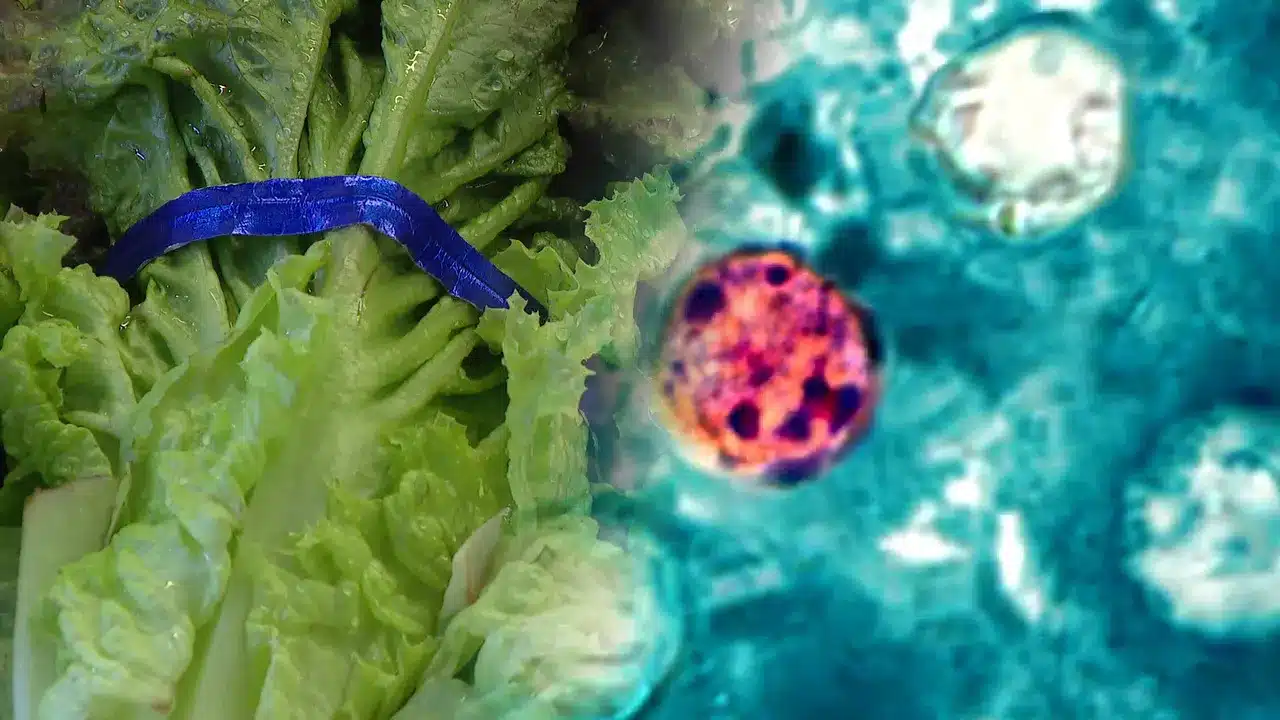
Beyond Taylor Farms and Taco Bell: Understanding Cyclospora Outbreaks That Remain Unlinked and Why Consumers Should Still Be Concerned

Alicia Maroney
Alicia Maroney is a writer for FoodPoisoningNews.com, where she covers food safety, outbreaks, and public health issues. An avid reader, hiker, and traveler, Alicia brings a curious and analytical perspective to her work. Writing about foodborne illness has given her a new respect for food care and the everyday practices that help keep people safe.
Related Posts
Add A Comment