


When most people think about foodborne illness outbreaks, they picture restaurants, grocery store recalls, or contaminated products shipped across the country. Rarely do they imagine a funeral reception—a place where families gather to support one another during one of life’s most difficult moments.
Yet that is exactly what health officials are investigating in New York after a funeral meal held on June 30 became linked to a Salmonella outbreak that sickened 58 people in Suffolk County. While investigators continue working to identify the precise source of contamination, the outbreak offers an important reminder that foodborne illness is not limited to commercial kitchens. It can occur anywhere food is prepared, transported, stored, and served—even at events built around compassion, community, and remembrance.
The investigation remains ongoing, and officials have not identified a single food item responsible for the illnesses. However, reports that investigators are examining whether leftover catered food from a previous event may have been served at the funeral have drawn attention to an often-overlooked aspect of food safety: the unique challenges associated with large community meals.
Community Gatherings Create Unique Food Safety Challenges
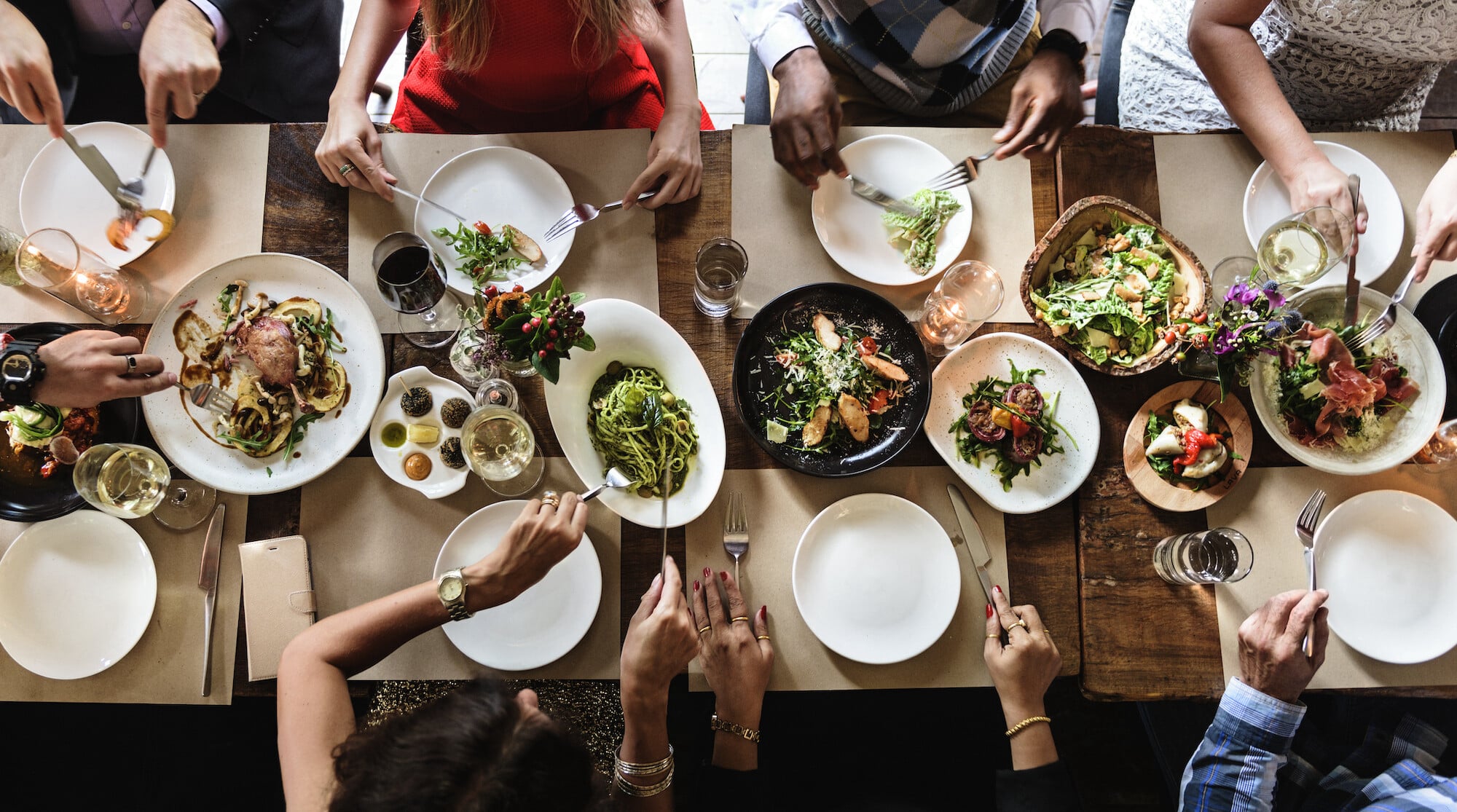
Whether it is a funeral, wedding, church luncheon, graduation party, or family reunion, large gatherings often involve preparing enough food to feed dozens—or even hundreds—of people.
That creates logistical challenges that many people never consider.
Meals are frequently prepared hours before guests arrive. Food may travel between locations before being served. Buffet lines remain open for extended periods while attendees eat at different times. Volunteers, family members, or catering staff may all handle the same dishes throughout the event.
None of these practices are inherently unsafe. However, each additional step between preparation and consumption creates another opportunity for bacteria to contaminate food or multiply if proper food safety procedures are not followed.
Unlike restaurants, which typically have commercial refrigeration, temperature monitoring systems, and employees trained in food safety protocols, community gatherings often rely on temporary serving setups that make maintaining consistent temperatures more difficult.
Even experienced caterers face challenges when transporting large quantities of food to off-site locations.
Why Investigators Are Examining the Timeline
One of the more notable aspects of the New York investigation is not simply what was served, but when it may have been prepared.
According to reports, investigators are exploring whether food from a catered music festival held days before the funeral may have later been served during the memorial gathering. Officials have not confirmed that this occurred or that it caused the outbreak, but understanding the timeline remains an important part of determining how contamination may have happened.
Every outbreak investigation seeks to answer several critical questions:
- Where did the food originate?
- How was it transported?
- Was it refrigerated quickly after preparation?
- How long was it stored?
- Was it reheated properly?
- Did cross-contamination occur during preparation or service?
Sometimes investigators discover contamination began long before food reached consumers. Other times, the problem develops during transportation, storage, or serving.
Until laboratory testing and traceback investigations are complete, every possibility must remain on the table.
Food Doesn’t Have to Look Spoiled to Make People Sick
One of the reasons Salmonella outbreaks continue occurring is that contaminated food often gives no indication anything is wrong.
Unlike moldy bread or sour milk, food contaminated with Salmonella usually looks completely normal. It may smell fresh, taste exactly as expected, and show no visible signs of bacterial growth.
That makes outbreaks especially difficult to prevent once contaminated food reaches the serving table.
Salmonella thrives when foods remain within what’s known as the “danger zone”—temperatures between approximately 40°F and 140°F—for prolonged periods. Under these conditions, bacteria can multiply rapidly, increasing the likelihood that someone who consumes the food will become ill.
For catered events, maintaining safe temperatures is one of the most important safeguards against foodborne illness. Hot foods should remain hot, cold foods should remain cold, and leftovers should be cooled and refrigerated promptly if they are to be served later.
The Human Side of Every Outbreak
Statistics often dominate discussions about foodborne illness.
How many people became sick?
How many were hospitalized?
What bacteria were identified?
Those numbers matter because they help public health officials understand the scope of an outbreak. But they also risk overshadowing the people behind the statistics.
The New York outbreak affected individuals who had gathered to mourn the loss of someone close to them. Instead of returning home with memories of a loved one’s life, dozens of attendees reportedly spent the following days dealing with fever, severe diarrhea, abdominal cramps, nausea, and other symptoms associated with Salmonella infection.
For some patients, recovery may take only a few days.
Others—particularly young children, older adults, pregnant individuals, and those with weakened immune systems—may face a much more serious illness requiring hospitalization and intensive medical care.
Foodborne illness is often discussed as an inconvenience. For many families, it is anything but.
Every Outbreak Strengthens Future Prevention
One reason public health agencies devote significant resources to investigating outbreaks is that every investigation provides an opportunity to improve food safety.
Investigators interview patients, inspect food preparation areas, review catering records, collect laboratory samples, and trace ingredients through the supply chain. Increasingly, they also rely on whole genome sequencing, which compares the DNA of Salmonella bacteria isolated from patients to determine whether illnesses originated from the same source.
The goal extends beyond identifying what caused one outbreak.
Investigators also want to understand why contamination occurred and how similar outbreaks can be prevented.
Sometimes those findings lead to improved food handling procedures. Other investigations uncover refrigeration problems, employee hygiene issues, contaminated ingredients, or weaknesses in food distribution systems that require corrective action.
Regardless of the outcome, each investigation adds to the growing body of scientific knowledge used to strengthen food safety practices nationwide.
A Reminder That Food Safety Is Everyone’s Responsibility
The New York funeral meal outbreak serves as a reminder that protecting public health requires attention long before anyone becomes sick.
Food safety begins with producers and manufacturers but continues through distributors, caterers, event organizers, food handlers, and ultimately consumers themselves. Every person involved in preparing and serving food shares responsibility for preventing contamination.
As investigators continue working to determine exactly what happened in Suffolk County, many questions remain unanswered. Officials have not identified the specific food responsible for the outbreak, nor have they confirmed whether leftover food played a role.
What is already clear, however, is that foodborne illness does not recognize the significance of an occasion. Whether people gather for celebration, worship, or remembrance, bacteria exploit the same breakdowns in food safety practices.
For the families affected by this outbreak, those lessons come at a difficult cost.
For everyone else, the investigation offers an opportunity to remember that safe food handling is not simply a restaurant issue or a regulatory requirement—it is an essential part of protecting the health of every community gathering, no matter the occasion.
