
Close Menu
  • Food Poisoning
    • Symptoms
    • Prevention
    • Treatment
    • Causes
  • Pathogens
    • Botulism
    • Campylobacter
    • E. coli
    • Cyclospora
    • Norovirus
    • Hepatitis A
    • Salmonella
    • Listeria
    • Shigella
  • Food Safety
    • How to wash your hands
    • Food Safty And The Holidays
  • Legal
    • Can I sue for Food Poisoning?
    • E. coli Lawyer
      • E. coli Lawsuit
    • Salmonella Lawyer
      • Salmonella Lawsuit
    • Botulism Lawyer
    • Cyclospora Lawyer
    • Shigella Lawyer
    • Hepatitis A Lawyer
  • Outbreaks and Recalls
  • Connect With A Lawyer
What's Hot

Emerging Foodborne Pathogens Public Health Officials Are Monitoring

February 27, 2026

Long-Term Gastrointestinal Consequences of Foodborne Illness: Mechanisms, Risk Factors, and Public Health Implications

February 26, 2026

The “Silicon Scent” of Safety: AI and the Future of Predictive Outbreak Prevention

February 26, 2026
Facebook X (Twitter) Instagram
Facebook X (Twitter) YouTube
  • About
  • Contact Us
Food Poisoning NewsFood Poisoning News
  • Home
  • Food Poisoning
    • What is Food Poisoning?
      • Symptoms
      • Causes
      • Prevention
      • Treatment
      • Statistics
    • Pathogens
      • Botulism
      • Campylobacter
      • E. coli
      • Hepatitis A
      • Shigella
      • Norovirus
      • Salmonella
      • Cyclospora
      • Listeria
  • Food Safety
    • How to wash your hands
    • Food Safty And The Holidays
  • Legal
    • Salmonella Lawyer
      • Salmonella Lawsuit
    • E. coli Lawyer
      • E. coli Lawsuit
    • Cyclospora Lawyer
    • Shigella Lawyer
    • Hepatitis A Lawyer
    • Botulism Lawyer
  • Outbreaks and Recalls
Food Poisoning NewsFood Poisoning News
Home»Food Poisoning News»Wendy’s Lettuce and E. Coli:  Are Leafy Greens Still Safe to Eat?
Wendy’s Lettuce and E. Coli:  Are Leafy Greens Still Safe to Eat?
Food Poisoning News

Wendy’s Lettuce and E. Coli:  Are Leafy Greens Still Safe to Eat?

Malin ChambersBy Malin ChambersAugust 26, 2022Updated:October 22, 2024No Comments3 Mins Read
Share
Facebook Twitter LinkedIn Pinterest Email Reddit

Food Safety and Leafy Greens: Are Leafy Greens Safe to Eat?

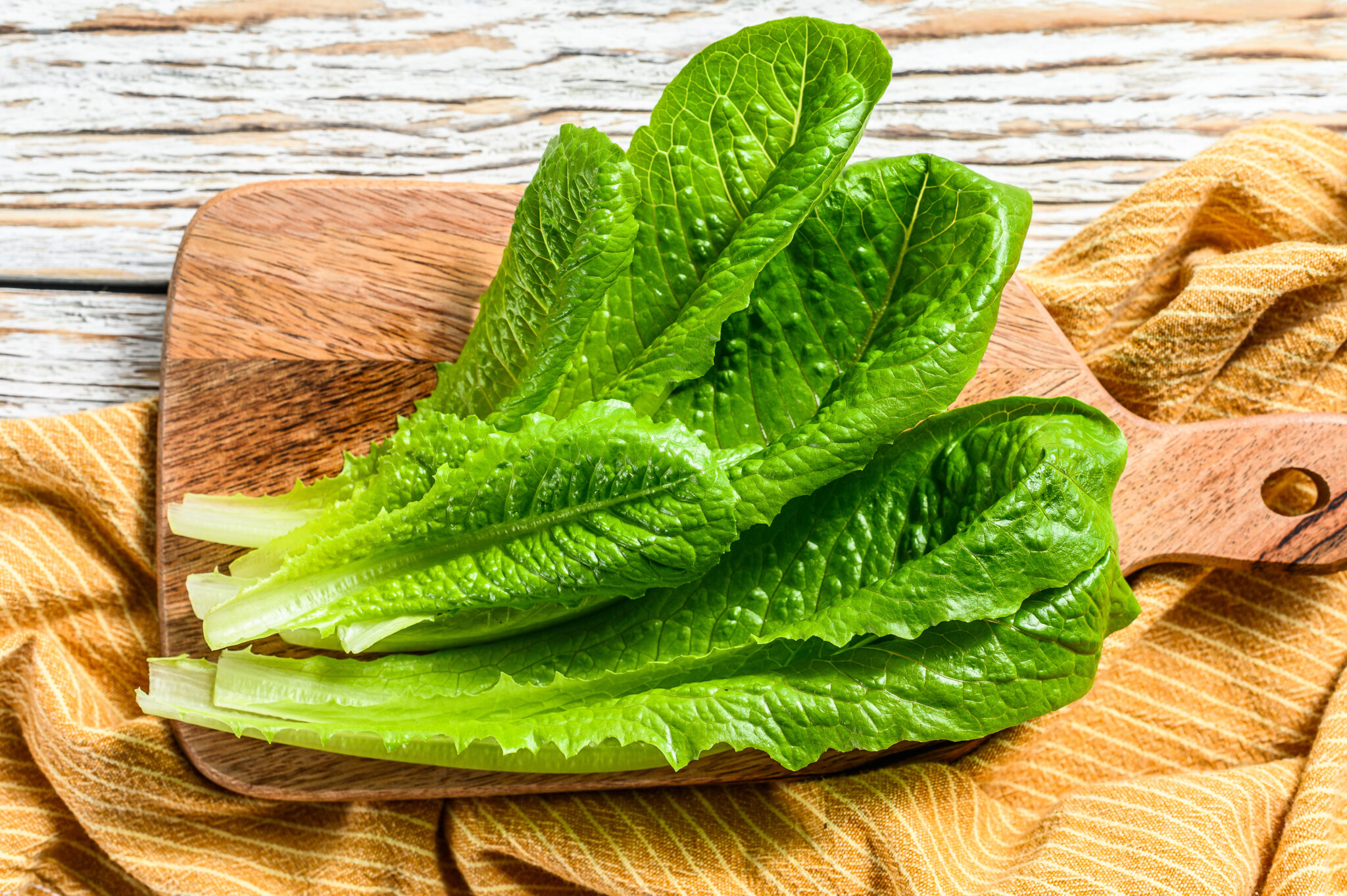
In recent headlines, an E. coli outbreak believed to be caused by ingesting contaminated romaine lettuce from Wendy’s is thought to have caused over 100 E. coli infections and counting in 4 Midwestern states. Leafy greens, such as romaine lettuce, have a known propensity for causing foodborne illness outbreaks because they are both generally eaten raw and are grown in outdoor environments. Because they are most often consumed raw, leafy greens maintain foodborne illness causing bacteria that is generally killed off during the process of cooking it or amidst other processing steps. Leafy greens grown outdoors are susceptible to contamination of foodborne illness causing bacteria through the soil, fertilizer, wind, dust, water, and animals in the surrounding environment.

Leafy greens are a major source of E. coli infections, as well as a substantial source of Salmonella, norovirus, Listeria, and Cyclospora bacteria. According to the CDC, from 2009 through 2018, the United States and Canada experienced a combined 40 outbreaks of Shiga toxin-producing E. coli (STEC) infections caused from ingesting contaminated leafy greens.

According to the E. coli lawyer Ron Simon, the attorney who filed the first Wendy’s E. coli Lawsuit in the current outbreak, “lettuce and sprouts have always posed a significant risk of bacterial infection. Consumers should wash these products well before serving them.”

In March of 2020, the U.S. Food and Drug Administration, in partnership with the CDC, released the Leafy Greens Stec Action Plan. The initiative focuses on preventing contamination, strategically and efficiently responding to outbreaks, and addressing leafy greens knowledge gaps in the general public.

NOTE: The E. coli Lawyers are currently preparing a McDonald’s E. coli Lawsuit

How to Prepare Leafy Greens at Home

Although you can never fully remove all germs from leafy greens, the best way to remove germs to wash them under running water. The CDC recommends first washing your hands with soap and water both before and after prepping the leafy greens. Next, remove and discard any torn or discolored leaves. Additionally, for cabbage and lettuce heads, remove the outer layer of leaves. Then, under running water, rinse the leaves and gently rub them to help remove any excess dirt or germs. Once washed, the leafy greens should be dried with a paper towel or clean cloth. Experts do not suggest soaking leafy greens before washing them, as this can assist the spread of germs between leaves. Studies have not found evidence to suggest that soaking leaves in vinegar or lemon juice works better than washing the leaves under running water.

If you would like to avoid the process of washing leafy greens, the CDC suggests purchasing either ready-to-eat, triple washed, or no washing necessary greens. Despite the fact that pre-washed greens are not guaranteed to be germ free, the risk of bacterial contamination is significantly lowered.

https://www.cdc.gov/foodsafety/communication/leafy-greens.html

Share. Facebook Twitter Pinterest LinkedIn Tumblr Email
Malin Chambers

Related Posts

Long-Term Gastrointestinal Consequences of Foodborne Illness: Mechanisms, Risk Factors, and Public Health Implications

February 26, 2026

How Canning, Freezing, and Emerging Technologies Protect Food from Spoilage and Pathogens

February 18, 2026

Mechanisms of Produce Contamination: A Comprehensive Review Including Pathogens Such as Salmonella and E. coli

January 21, 2026

Arizona State Fair Petting Zoo Confirmed as Source of E. coli Outbreak by Genetic Testing

January 14, 2026
Add A Comment
Leave A Reply Cancel Reply

Attorney Advertisement
Ron Simon

Subscribe to Updates

Get the latest food safety recall, outbreak, & investigation news.

Latest Posts

Emerging Foodborne Pathogens Public Health Officials Are Monitoring

February 27, 2026

Long-Term Gastrointestinal Consequences of Foodborne Illness: Mechanisms, Risk Factors, and Public Health Implications

February 26, 2026

The “Silicon Scent” of Safety: AI and the Future of Predictive Outbreak Prevention

February 26, 2026

Food Poisoning News is a website devoted to providing you with the most current information on food safety, dangerous pathogens, food poisoning outbreaks and outbreak prevention, and food poisoning litigation.

We're social. Connect with us:

Facebook X (Twitter) YouTube
Latest Posts

Emerging Foodborne Pathogens Public Health Officials Are Monitoring

February 27, 2026

Long-Term Gastrointestinal Consequences of Foodborne Illness: Mechanisms, Risk Factors, and Public Health Implications

February 26, 2026

The “Silicon Scent” of Safety: AI and the Future of Predictive Outbreak Prevention

February 26, 2026
Get Informed

Subscribe to Updates

Get the latest food safety recall, outbreak, & investigation news.

Facebook X (Twitter) YouTube
  • Home
© 2026 Food Poisoning News. Sponsored by Ron Simon & Associates a Houston, TX law firm. Powered by ArmaVita.
Our website and content are for informational purposes only. Food Poisoning News does not provide legal advice, medical advice, diagnosis, or treatment.

Type above and press Enter to search. Press Esc to cancel.