

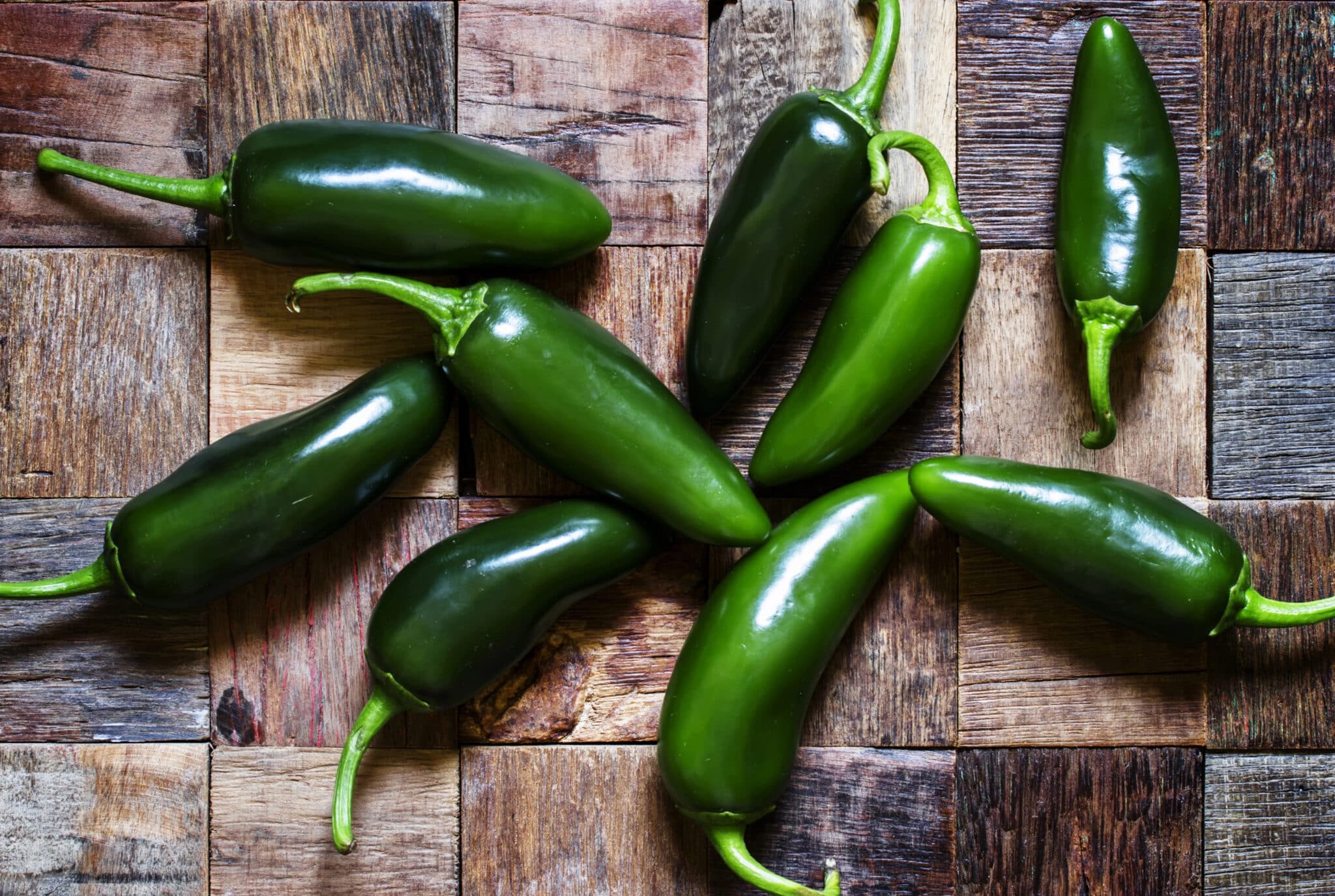

Aug. 4, 2026: Chipotle Mexican Grill has pulled jalapeño peppers from Minnesota restaurants after state health investigators identified the ingredient as a possible source of a salmonella outbreak that has now sickened at least 110 people, Bloomberg News reported Tuesday.
The chain removed the suspect peppers from every Minnesota location that received the product and is cooperating with the investigation being run by the Minnesota Department of Health, an agency spokesperson told Bloomberg.
The link to Chipotle is strong but not yet conclusive. Of the 84 sickened people investigators have been able to interview, 75 reported eating at a Chipotle restaurant beforehand — a rate far above what would be expected by chance in a general population. Health officials have not publicly named the pepper supplier, the specific salmonella serotype involved, or the full list of affected restaurant locations.
[Chipotle Food Poisoning Lawyer]
What is not yet known
As of Tuesday afternoon, the Minnesota Department of Health had not posted a formal news release on the outbreak, and details that typically accompany a state investigation remained outstanding:
Hospitalizations and severity.
No hospitalization or death figures have been released. Roughly one in four laboratory-confirmed salmonella cases in Minnesota historically requires hospitalization.
Exposure window.
The range of meal dates and illness-onset dates has not been published, leaving diners without a clear window for assessing their own risk.
Scope.
Whether the contaminated peppers reached restaurants, retailers, or distributors outside Minnesota is unclear. If the product moved through a national supply chain, the FDA and CDC would typically join the investigation.
Jalapeños?
Officials have described the peppers as a suspected vehicle. In outbreak investigations, an early suspect ingredient is sometimes later ruled out; in Minnesota’s 2015 Chipotle outbreak, investigators initially pointed to unidentified fresh produce before tracing the source to tomatoes used in salsa.
Case counts in salmonella outbreaks almost always rise after the first public announcement. Symptoms can take up to a week to appear, and several more days typically pass before a patient seeks care, gets tested, and is reported to the state. Public health agencies also estimate that most salmonella infections never reach the reporting system at all, because people recover at home without testing.
Symptoms and what to do
Salmonella infection typically causes diarrhea, abdominal cramps, and fever, with symptoms beginning 12 to 72 hours after exposure — though onset can stretch to a week or longer. Most infections resolve within five to seven days without treatment. Severe dehydration, bloody stool, or a high or persistent fever warrant medical attention, and infections can be more serious in young children, adults over 65, and people with weakened immune systems.
Minnesotans who developed those symptoms after eating at a Chipotle should contact a health care provider, mention the outbreak, and ask whether stool testing is appropriate. Laboratory confirmation is what allows the state to match an individual illness to the outbreak strain through DNA fingerprinting. Minnesota law requires providers and labs to report salmonellosis to the state within one working day.
A familiar pattern for Chipotle
The company has a long record of foodborne illness incidents. In 2015, the Minnesota Department of Health linked 64 salmonella Newport illnesses to 22 Chipotle locations across the state, hospitalizing nine people, with tomatoes eventually identified as the source. That same year, an E. coli outbreak tied to Chipotle spread across multiple states. In 2020, the company agreed to pay a $25 million federal fine — described by prosecutors as the largest of its kind — to resolve criminal charges connected to outbreaks between 2015 and 2018 that sickened more than 1,100 people.
Peppers have their own outbreak history. In 2008, a nationwide salmonella Saintpaul outbreak that sickened more than 1,200 people was initially blamed on tomatoes before investigators — with Minnesota’s foodborne disease unit playing a central role — traced the contamination to jalapeño and serrano peppers.
Minnesota reports roughly 700 to 1,000 confirmed salmonella cases in a typical year across all sources.
[This story is developing. Figures reflect information available as of Aug. 4, 2026, and are expected to change as the investigation continues.]
