

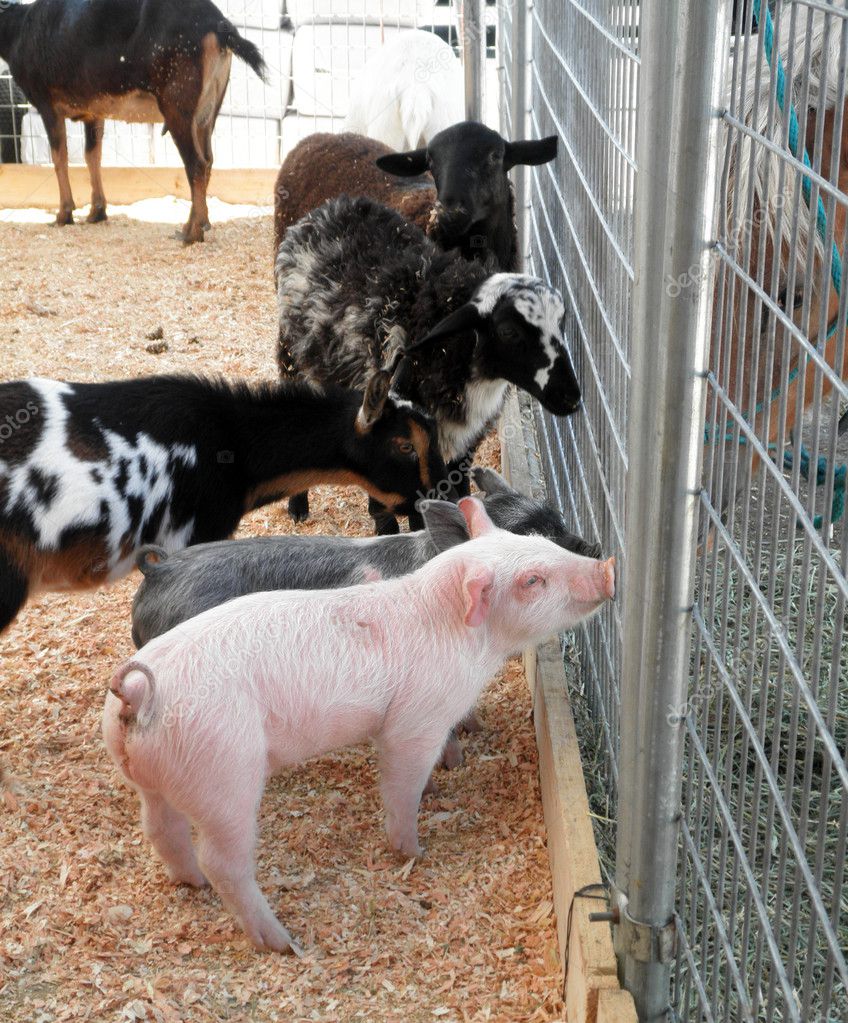

Petting zoos are popular attractions at state fairs, festivals, and family-friendly events across the United States. However, these interactive animal exhibits can expose visitors to potentially dangerous bacteria, including Shiga toxin-producing Escherichia coli (STEC).
Recent concerns surrounding the State Fair of Texas have brought these risks into focus. In October 2026, Dallas County health officials began investigating several suspected E. coli infections among children, including some who reportedly required intensive care. According to CBS News Texas, investigators are examining whether visits to the fair’s petting zoo may have contributed to the illnesses, although no connection has been confirmed.
According to the Centers for Disease Control and Prevention (CDC), animals can carry harmful bacteria even when they appear perfectly healthy. Farm animals, including cattle, goats, and sheep, may carry E. coli in their intestinal tracts and shed the bacteria through their feces.
Visitors can become infected after touching contaminated animals, fencing, bedding, or other surfaces and subsequently placing their hands near their mouths. Direct contact with an animal is not always necessary for transmission.
Young children are particularly vulnerable because they frequently touch their faces, put objects in their mouths, and may not practice proper hand hygiene. Additionally, children younger than five face an increased risk of serious complications from STEC infections.
One of the most dangerous complications is hemolytic uremic syndrome (HUS), which can develop following an E. coli infection. HUS damages small blood vessels and can cause acute kidney failure, sometimes requiring dialysis or prolonged hospitalization.
To reduce the risk of infection, the CDC recommends several precautions:
- Wash hands thoroughly with soap and running water immediately after leaving animal exhibits.
- Avoid eating or drinking inside animal-contact areas.
- Supervise young children and discourage them from putting their fingers or objects in their mouths.
- Keep strollers, toys, and other personal belongings outside animal enclosures.
- Avoid touching animal waste or contaminated surfaces.
Although petting zoos provide valuable educational experiences, families should remain aware of the potential health risks. Proper sanitation, responsible exhibit management, and careful supervision are essential to reducing the likelihood of serious bacterial infections.
Another important consideration is the responsibility of petting zoo operators to maintain safe environments for visitors. While handwashing is one of the most effective ways to prevent infection, proper facility design and sanitation practices are equally important. Animal exhibits should provide accessible handwashing stations with soap and running water, clearly marked entrances and exits, and designated areas separating animals from food and beverages. Staff should also educate visitors about the risks of animal contact and ensure that high-touch surfaces are regularly cleaned. According to the Centers for Disease Control and Prevention (CDC), alcohol-based hand sanitizers are not an adequate substitute for washing with soap and water after interacting with animals. These precautions are particularly important at large fairs, where thousands of visitors may interact with the same animals and surrounding surfaces throughout the day.
Parents should also understand that symptoms of an E. coli infection may not appear immediately after exposure. According to the CDC, symptoms of Shiga toxin-producing E. coli infections typically develop three to four days after exposure, although the incubation period can vary. This delay can make it difficult for families to recognize a connection between a recent petting zoo visit and a child’s sudden illness. Parents should seek medical attention if their child develops bloody diarrhea, severe abdominal cramps, or signs of dehydration. Symptoms such as decreased urination, unusual fatigue, or unexplained bruising may indicate hemolytic uremic syndrome (HUS), a serious complication requiring immediate medical evaluation. Recognizing these warning signs and informing healthcare providers about recent animal exposure can help ensure timely diagnosis and treatment.
