
Close Menu
  • Food Poisoning
    • Symptoms
    • Prevention
    • Treatment
    • Causes
  • Pathogens
    • Botulism
    • Campylobacter
    • E. coli
    • Cyclospora
    • Norovirus
    • Hepatitis A
    • Salmonella
    • Listeria
    • Shigella
  • Food Safety
    • How to wash your hands
    • Food Safty And The Holidays
  • Legal
    • Can I sue for Food Poisoning?
    • E. coli Lawyer
      • E. coli Lawsuit
    • Salmonella Lawyer
      • Salmonella Lawsuit
    • Botulism Lawyer
    • Cyclospora Lawyer
    • Shigella Lawyer
    • Hepatitis A Lawyer
  • Outbreaks and Recalls
  • Connect With A Lawyer
What's Hot

Why Salmonella in Eggs Remains a Persistent Food Safety Challenge

July 30, 2026

Salmonella Outbreak Linked to Ramona Family Naturals Market Under Investigation: Ron Simon & Associates Accepting Cases

July 29, 2026

How an “Antibiotic” Kills a Parasite

July 28, 2026
Facebook X (Twitter) Instagram
Facebook X (Twitter) YouTube
  • About
  • Contact Us
Food Poisoning NewsFood Poisoning News
  • Home
  • Food Poisoning
    • What is Food Poisoning?
      • Symptoms
      • Causes
      • Prevention
      • Treatment
      • Statistics
    • Pathogens
      • Botulism
      • Campylobacter
      • E. coli
      • Hepatitis A
      • Shigella
      • Norovirus
      • Salmonella
      • Cyclospora
      • Listeria
  • Food Safety
    • How to wash your hands
    • Food Safty And The Holidays
  • Legal
    • Salmonella Lawyer
      • Salmonella Lawsuit
    • E. coli Lawyer
      • E. coli Lawsuit
    • Cyclospora Lawyer
    • Shigella Lawyer
    • Hepatitis A Lawyer
    • Botulism Lawyer
  • Outbreaks and Recalls
Food Poisoning NewsFood Poisoning News
Home»Featured»Detecting Hepatitis A Virus in Berries Poses Food Safety Challenge
Detecting Hepatitis A Virus in Berries Poses Food Safety Challenge
Featured

Detecting Hepatitis A Virus in Berries Poses Food Safety Challenge

Kit RedwineBy Kit RedwineJune 18, 2024No Comments3 Mins Read
Share
Facebook Twitter LinkedIn Pinterest Email Reddit

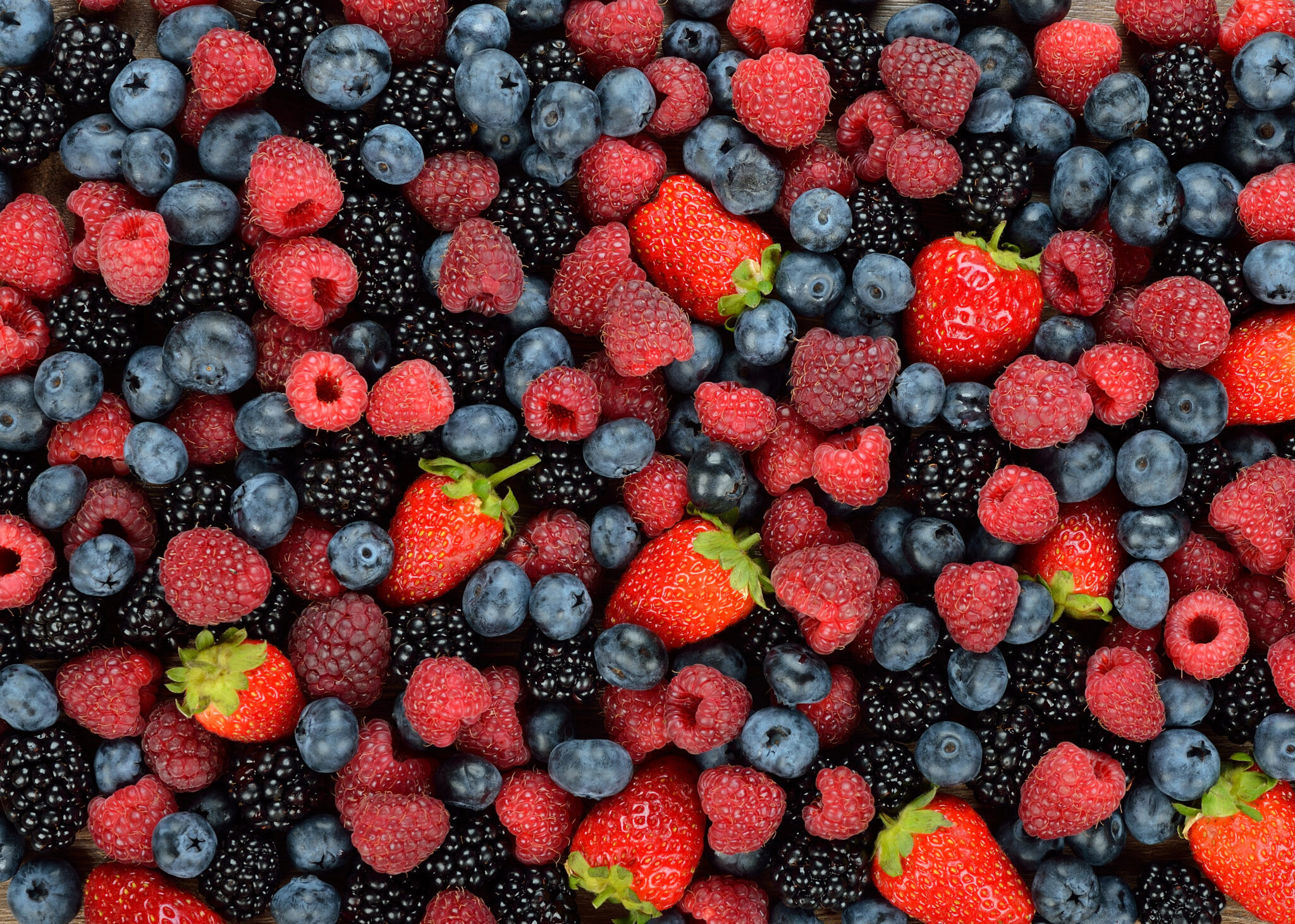
Blueberries and other berries are often touted as superfoods packed with antioxidants and nutrients. However, according to a recent article on idse.net, these popular fruits can also harbor a serious and underrecognized threat – hepatitis A virus. Multiple multistate outbreaks of hepatitis A infections have been traced back to fresh and frozen berry products in recent years, highlighting an urgent need for improved detection methods.

Researcher Mathilde Trudel-Ferland, PhD, from the Department of Animal and Food Sciences at the University of Delaware, shed light on the difficulties in identifying hepatitis A contamination in berry shipments. Despite the FDA conducting microbiological surveillance, current testing protocols are laborious, expensive, and time-consuming. Between 2019 and 2023, the agency discovered 9 positive samples among 1,513 frozen berry batches tested, leading to product recalls – even though no associated illnesses were reported.

A major challenge is that hepatitis A found in food sources typically cannot be cultured, or grown in a lab for testing. Non-clinical samples also often contain extremely low viral concentrations, further complicating detection. Trudel-Ferland emphasized the importance of establishing standardized methods to limit foodborne illnesses and reduce the staggering economic costs of associated food waste.

Two primary detection techniques are currently employed – the International Organization Standard ISO 15216-2:2019 and the FDA’s Bacteriological Analytical Manual chapter 26 (BAM 26) method. In a comparative study, Trudel-Ferland’s team found that while the ISO protocol detected hepatitis A in 2 out of 3 frozen strawberry samples at low viral loads, the BAM 26 method identified all 3 positive samples.

However, both tests are qualitative rather than quantitative, and a larger sample size is needed to draw definitive conclusions. Additionally, these analyses can take over 24 hours, with the ISO method being highly labor-intensive and the BAM 26 costly and unavailable in many labs – making them ill-suited for routine viral screening.

To address these limitations, Trudel-Ferland is exploring an automated nucleic acid extraction platform to streamline hepatitis A detection in berries. As she notes, implementing robust and widely accessible testing is crucial to curbing foodborne viral outbreaks while minimizing unnecessary economic losses from product recalls when no infectious pathogens are present.

Proactively safeguarding the berry supply chain from hepatitis A and other viral contaminants is an increasingly important food safety priority demanding innovative solutions. Raising industry standards and technological capabilities in this area could prevent many future health scares.

Commenting on this story, one national food safety attorney said, “Many consumers enjoy frozen berries as part of their diet.  Uncovering new hepatitis A detection methods is a critical component to help safeguard our food supply and public safety.”

Share. Facebook Twitter Pinterest LinkedIn Tumblr Email
Avatar photo
Kit Redwine

Kit Redwine is a senior technology sales and media professional with over 20 years of experience and holds an MBA. He is skilled in technology sales, creative engagement, and building strategic relationships in multiple industries. His career is dedicated to helping organizations streamline complex project portfolios and improve workflows. He currently researches and writes weekly articles to inform and create awareness of food safety practices to help prevent foodborne illness caused by pathogens such as Salmonella, Listeria, and E. coli.

Related Posts

Why Salmonella in Eggs Remains a Persistent Food Safety Challenge

July 30, 2026

Salmonella Outbreak Linked to Ramona Family Naturals Market Under Investigation: Ron Simon & Associates Accepting Cases

July 29, 2026

Taco Bell Taco Supreme Leads to Hospitalization of Kansan Victim: The Story of Nicole Belote of Hutchinson, Kansas

July 28, 2026

Salmonella Outbreak Tied to Texas-Produced Midwest Poultry Eggs — 73 of the 98 Sickened Are Texans

July 27, 2026
Add A Comment
Leave A Reply Cancel Reply

Attorney Advertisement
Ron Simon

Subscribe to Updates

Get the latest food safety recall, outbreak, & investigation news.

Latest Posts

Why Salmonella in Eggs Remains a Persistent Food Safety Challenge

July 30, 2026

Salmonella Outbreak Linked to Ramona Family Naturals Market Under Investigation: Ron Simon & Associates Accepting Cases

July 29, 2026

Why Cyclospora Sticks to Lettuce — and What Actually Stops It on the Farm

July 28, 2026

Food Poisoning News is a website devoted to providing you with the most current information on food safety, dangerous pathogens, food poisoning outbreaks and outbreak prevention, and food poisoning litigation.

We're social. Connect with us:

Facebook X (Twitter) YouTube
Latest Posts

Why Salmonella in Eggs Remains a Persistent Food Safety Challenge

July 30, 2026

Salmonella Outbreak Linked to Ramona Family Naturals Market Under Investigation: Ron Simon & Associates Accepting Cases

July 29, 2026

Why Cyclospora Sticks to Lettuce — and What Actually Stops It on the Farm

July 28, 2026
Get Informed

Subscribe to Updates

Get the latest food safety recall, outbreak, & investigation news.

Facebook X (Twitter) YouTube
  • Home
  • About
  • Editorial Standards & Ethics Policy
  • Sourcing & Fact-Checking Policy
  • Corrections & Clarifications Policy
  • Our Authors
  • Medical Disclaimer
  • Legal Disclaimer & Attorney Advertising Notice
  • Privacy Policy
  • Terms of Use
  • Get In Touch
© 2026 Food Poisoning News. Sponsored by Ron Simon & Associates a Houston, TX law firm. Powered by ArmaVita.
Our website and content are for informational purposes only. Food Poisoning News does not provide legal advice, medical advice, diagnosis, or treatment.

Type above and press Enter to search. Press Esc to cancel.